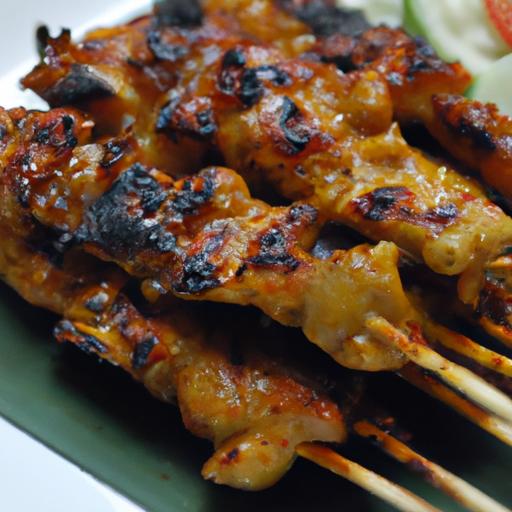

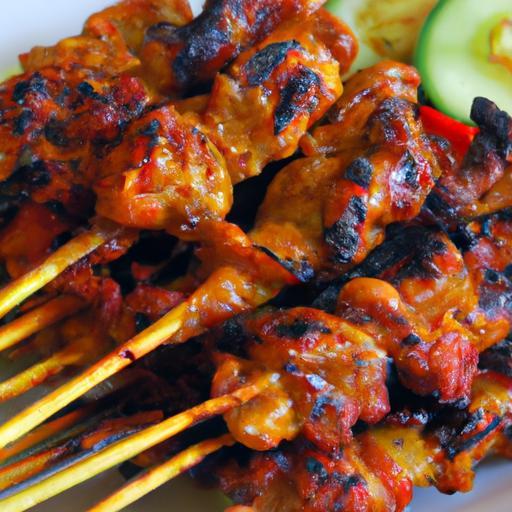
Beneath the vibrant canopy of Indonesia’s bustling street markets and festive gatherings lies a culinary treasure that has captured hearts and palates alike: Sate Ayam. These tender, marinated chicken skewers, grilled to smoky perfection and drenched in a rich, aromatic peanut sauce, are more than just a dish-they are a cultural experiance steeped in history and communal joy. savoring Sate Ayam is a tasty journey thru the archipelago’s diverse traditions, where every bite tells a story of heritage, flavor, and the irresistible art of Indonesian street food. Join us as we explore the origins, preparation, and enduring popularity of this beloved national favorite.
Origins and Cultural Meaning of Sate Ayam
Savoring Sate Ayam opens a window to Indonesia’s rich culinary heritage, where skewered chicken meets fragrant spices to create an irresistible street food classic. This dish traces its roots to Java and Madura, where local vendors perfected grilling marinated chicken over open flames, crafting a beloved meal that transcends generations. More than just a snack, Sate Ayam holds cultural importance during festive gatherings, family reunions, and traditional ceremonies, symbolizing warmth and community through every skewer shared.
The magic lies in the interplay of bold spices-turmeric, coriander, galangal, and candlenuts-blended into marinades passed down through families. Classic peanut sauce, rich with palm sugar and tamarind, balances smoky grilled chicken with sweet, savory, and tangy notes, making each bite a storytelling experience.
Exploring the Unique Marinades and Sauces That Define the Flavor
At the heart of Savoring Sate Ayam is the marinade that tenderizes and infuses the chicken with layers of flavor. Traditional recipes ofen combine fresh garlic, shallots, coriander, turmeric powder, lemongrass, and kaffir lime leaves, blended into a smooth paste. Letting the chicken soak for several hours or overnight unlocks a juicy, aromatic depth.
The signature peanut sauce, or bumbu kacang, is a velvety blend of roasted peanuts, coconut milk, palm sugar, and a hint of spice from chili or bird’s eye chili. For a radiant contrast, some regions serve it with a side of sambal kecap-a zesty mix of sweet soy sauce, chilies, and shallots.
Mastering the Perfect Grill Techniques for Juicy Chicken Skewers
achieving perfectly cooked Sate Ayam means mastering balance on the grill. Pre-soaked bamboo skewers threaded through marinated chicken chunks are gently grilled over medium-hot charcoal to coax out smoky flavors without drying the meat. Rotate them consistently for even caramelization, letting the natural sugars develop a slightly charred, golden crust.
for an extra layer of indulgence, baste intermittently with leftover marinade or coconut oil to lock in moisture. Using a wire mesh grill or grill pan can replicate authentic charcoal grilling at home. Knowing when to remove them-when the edges crisp and juices run clear-is key to juicy, tender bites.
Top Spots and Homemade Recipes to Experience Authentic Sate Ayam
Street hawkers in Jakarta’s bustling night markets or Yogyakarta’s cultural hubs serve some of the most authentic Sate Ayam experiences.Hear, the sensory pleasure of fragrant smoke, vibrant sauces, and handheld convenience is unmatched. However, nothing compares to crafting this beloved dish at home, where you control every aromatic detail and savor tradition in your kitchen.
The recipe below equips you to savor Indonesia’s beloved chicken skewers on your own terms, with fresh ingredients and simple techniques designed for every cook-from curious beginners to seasoned grill masters.
Prep and Cook time
- Preparation: 20 minutes (plus 3-4 hours marinating)
- Cooking: 10-15 minutes
Yield
- Serves 4 (12 skewers)
Difficulty Level
- medium
Ingredients
- 500g boneless chicken thighs, cut into 1.5-inch cubes
- 12 bamboo skewers, soaked in water for 30 minutes
- 3 cloves garlic, peeled and minced
- 4 shallots, peeled and minced
- 1 tsp ground coriander
- 1 tsp turmeric powder
- 1 stalk lemongrass, white part only, finely chopped
- 2 kaffir lime leaves, finely shredded (optional)
- 1 tbsp palm sugar, grated (or brown sugar)
- 2 tbsp vegetable oil
- Salt and white pepper, to taste
- For the peanut sauce:
- 150g roasted peanuts, finely ground
- 150ml coconut milk
- 1 tbsp palm sugar
- 1 tbsp tamarind paste
- 2 bird’s eye chilies, chopped (optional)
- 1 clove garlic, minced
- 2 tbsp sweet soy sauce (kecap manis)
- 250ml water
- Salt, to taste
Instructions
- Prepare the marinade: In a blender or mortar, combine garlic, shallots, coriander, turmeric, lemongrass, kaffir lime leaves, palm sugar, oil, salt, and pepper until a smooth paste forms.
- Marinate the chicken: Toss chicken pieces in the marinade, ensuring every cube is coated thoroughly. Cover and refrigerate for at least 3 hours,preferably overnight,to deepen flavor.
- Make the peanut sauce: In a saucepan, heat a splash of oil over medium heat, sauté garlic and chilies until fragrant. Add ground peanuts, palm sugar, tamarind paste, sweet soy sauce, coconut milk, and water. Stir constantly until sauce thickens slightly, about 10 minutes. Season with salt to taste and keep warm.
- Prepare the skewers: Thread marinated chicken onto soaked bamboo skewers, leaving a little space between pieces for even cooking.
- Grill the skewers: Preheat your grill or grill pan to medium heat. Grill chicken skewers about 4-5 minutes per side, turning often and basting with remaining marinade or coconut oil.Cook until chicken is golden with light char marks and juices run clear.
- Serve: Plate skewers alongside warm peanut sauce and garnish with chopped fresh coriander, sliced shallots, and a wedge of lime for an authentic touch.
Chef’s Notes and Tips for Success
- for a smoky aroma, try adding a small piece of charcoal directly in the foil-wrapped grill, close to the chicken skewers during the last 2 minutes.
- If you prefer leaner meat, chicken breast works, but watch closely to prevent drying out.
- To boost the peanut sauce’s richness, stir in a teaspoon of grated coconut or a splash of roasted sesame oil.
- Make ahead tip: The peanut sauce keeps well in the fridge for up to 4 days-warm gently before serving.
- Vegetarian twist: Substitute chicken with firm tofu, marinated and grilled similarly for a delightful plant-based version.
Serving Suggestions
Present your skewers on a rustic wooden board or banana leaf to echo traditional Indonesian plating. Complement with fragrant steamed jasmine rice or lontong (pressed rice cakes), sliced cucumbers, and pickled shallots for textural contrast. A drizzle of extra peanut sauce and a bright squeeze of fresh lime will elevate the experience, making every bite memorable.
| Nutrient | Per Serving (3 skewers + sauce) |
|---|---|
| calories | 320 kcal |
| Protein | 28g |
| Carbohydrates | 12g |
| Fat | 18g |

Discover more Indonesian favorites like Nasi Uduk to create a full traditional feast. For deeper cultural insights, visit Indonesia Tourism’s official cultural page.
Q&A
Q&A: Savoring Sate Ayam – Indonesia’s Beloved Chicken Skewers
Q1: What is Sate Ayam, and why is it so beloved in Indonesia?
A1: Sate Ayam, often known as Indonesian chicken skewers, is a culinary icon revered throughout the archipelago. Tender pieces of marinated chicken are threaded onto bamboo sticks, grilled over smoky charcoal, then draped in a luscious, nutty peanut sauce. It’s beloved not just for its harmonious blend of sweet, salty, and spicy flavors, but also for its accessibility-street vendors to high-end restaurants all serve it, making it a unifying taste of Indonesia’s rich food culture.
Q2: How is Sate Ayam traditionally prepared?
A2: The magic begins with the marinade: a fragrant blend of turmeric, coriander, garlic, and sometimes lemongrass, which infuses the chicken with layers of earthy warmth. After marinating for hours, the meat is skewered and grilled to perfection over hot coals, imparting a smoky char. The defining feature is the peanut sauce-a creamy concoction of ground peanuts, kecap manis (sweet soy sauce), chili, garlic, and lime juice, which adds depth and zest to each bite.
Q3: are there regional variations of Sate Ayam within Indonesia?
A3: Absolutely! While the general concept remains constant, regional spins add intriguing twists. Such as,Sate Madura from East Java favors a sweeter,soy-sauce-heavy sauce,often sprinkled with crushed peanuts and served with lontong (rice cakes). Simultaneously occurring, Sate Padang from West Sumatra boasts a spicy, turmeric-infused yellow sauce.Each variation tells a story of local ingredients, tastes, and traditions.
Q4: What makes Sate Ayam more than just street food?
A4: Beyond being a convenient street snack, Sate Ayam is a cultural symbol, often served during celebrations, family gatherings, and festivals. its preparation involves communal effort, evoking warmth and togetherness. Additionally, the dish’s balance of textures-crispy edges, juicy chicken, and creamy sauce-showcases Indonesia’s culinary sophistication beneath its humble appearance.
Q5: How can someone best experience authentic Sate Ayam outside Indonesia?
A5: The key lies in respecting the marinade and the peanut sauce’s authentic ingredients. Seek out Indonesian or Southeast Asian restaurants that prepare their peanut sauce from scratch rather than relying on bottled sauces. For home cooks, sourcing fresh spices, natural peanut butter (without sugar or salt), and sweet soy sauce can bring you closer to that rich, smoky, and sweet harmony. Pair with satay accompaniments like rice cakes or cucumber slices to complete the experience.
Q6: Why does Sate Ayam resonate with food lovers worldwide?
A6: Its universal charm lies in simplicity elevated by flavor. The tender grilled chicken appeals broadly, while the peanut sauce adds a unique twist-earthy, sweet, smoky, and slightly spicy. It’s a dish that transcends boundaries, telling a story of Indonesian heritage while satisfying anyone’s craving for comfort food.In every skewer,there’s a delicious invitation to explore a vibrant culture through taste.
Sate Ayam isn’t just a dish; it’s a flavorful journey through Indonesia’s heart and soul-one succulent skewer at a time.
in summary
As the smoky aroma of sate ayam lingers in the air and its rich, savory flavors dance on the palate, it becomes clear why this humble chicken skewer holds such a cherished place in Indonesia’s culinary heart. More than just a meal, sate ayam is a vibrant tapestry of history, culture, and community-each bite telling a story of tradition passed down through generations. Whether enjoyed from a bustling street cart or lovingly prepared at home, savoring sate ayam invites us to experience the warm spirit of Indonesia itself, one succulent skewer at a time. So next time you seek a taste adventure, let sate ayam guide you on a flavorful journey into the soul of Indonesian cuisine.