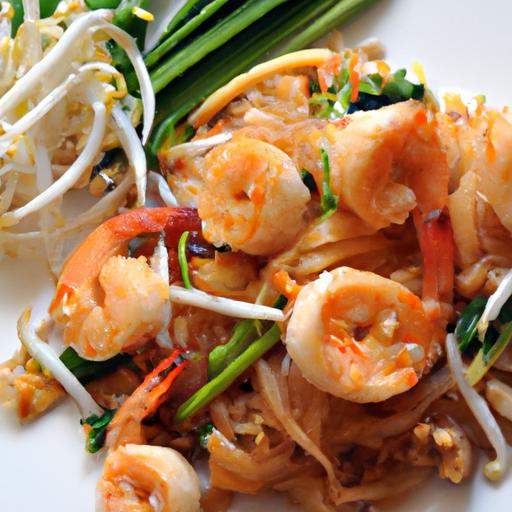

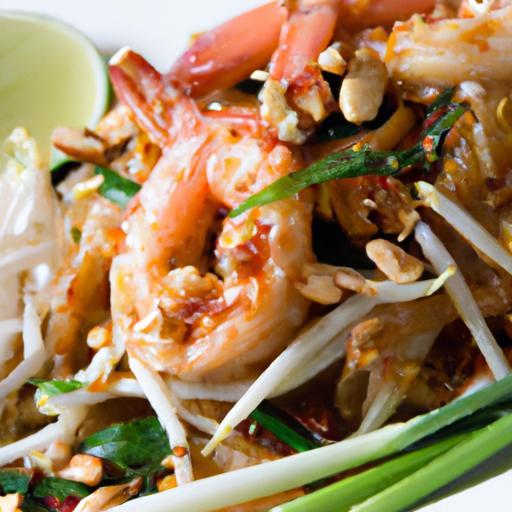
In the vibrant tapestry of Thai cuisine, few dishes capture the essence of balance and boldness quite like Pad Thai Goong. This beloved shrimp stir-fry isn’t just a meal-it’s a sensory adventure where tangy tamarind, fiery chilies, and sweet palm sugar dance harmoniously with plump, succulent shrimp and tender rice noodles. As we unveil the secrets behind this ultimate street-food favorite, prepare to embark on a flavorful journey that celebrates tradition, technique, and the irresistible charm of Pad Thai Goong-a dish that has won hearts across the globe and continues to define the art of Thai cooking.
Pad Thai Goong, a vibrant masterpiece of Thai cuisine, carries the essence of bustling street markets and warm family dinners across Southeast Asia. This iconic shrimp stir-fry effortlessly balances sweet, sour, salty, and umami flavors, creating a symphony that sings with every bite.Born from a blend of cultural influences and culinary ingenuity during the mid-20th century, this dish has evolved from a humble street food staple into a beloved global favorite, celebrated for its tantalizing layers of texture and taste.
Prep and Cook Time
Preparation: 15 minutes | Cooking: 10 minutes | Total: 25 minutes
Yield
serves 4 hearty portions
Difficulty Level
Medium – ideal for those comfortable with quick stir-fries and balancing flavors
essential Ingredients for Authentic Pad Thai Goong
- 200g (7 oz) dried rice noodles,soaked in warm water for 20 minutes
- 250g (9 oz) fresh shrimp (goong),peeled and deveined
- 3 tbsp tamarind paste,dissolved in 3 tbsp warm water
- 3 tbsp fish sauce
- 2 tbsp palm sugar,finely chopped or grated
- 2 tbsp vegetable oil or peanut oil
- 3 cloves garlic,finely minced
- 2 large eggs
- 1 cup fresh bean sprouts,rinsed and drained
- 4 green onions,sliced thinly at an angle
- 1/2 cup roasted peanuts,coarsely chopped
- 1 lime,cut into wedges
- 1/4 tsp dried chili flakes (optional)
- Fresh coriander leaves for garnish
Essential Tools
- large wok or heavy-bottomed skillet (ensures rapid,even heat)
- Slotted spoon or spatula (for tossing and turning noodles)
- Small bowl for mixing sauce ingredients
- Sharp knife and chopping board
Step-by-Step Instructions
- Prepare the noodles: Soak the dried rice noodles in warm water until softened but still slightly firm (al dente),about 20 minutes. Drain thoroughly and set aside. This keeps noodles from getting mushy while stir-frying.
- Mix the sauce: In a small bowl, combine the tamarind paste, fish sauce, and palm sugar.Stir until the sugar dissolves completely,creating a harmonious balance of tangy,salty,and sweet flavors.
- Heat the wok: Over medium-high heat, add the vegetable oil and swirl to coat. Once shimmering, add the minced garlic and sauté just until fragrant, about 30 seconds-be careful not to burn it.
- Cook the shrimp: Toss in the shrimp and stir-fry for 2-3 minutes until they turn a luscious pink and curl slightly. Remove shrimp from the wok and set aside to prevent overcooking.
- Egg scramble: Crack the eggs into the wok and stir quickly, scrambling until soft curds form.Push eggs to one side of the wok.
- Combine noodles and sauce: Add the drained noodles to the wok, pour in the prepared sauce, and toss vigorously to coat every strand. Stir-fry for 2-3 minutes, allowing the noodles to absorb the flavors and become tender but with a slight chew.
- Reintroduce shrimp and add crunch: Return the cooked shrimp to the wok along with the bean sprouts and green onions. Toss once more-just enough to warm through and keep the bean sprouts crisp.
- Plate and garnish: Serve promptly, sprinkled generously with chopped roasted peanuts, chili flakes (if desired), and fresh coriander. Add lime wedges on the side to brighten every bite with zesty acidity.
Tips for Success and Flavorful Variations
- Achieving perfect noodles: Avoid over-soaking your rice noodles; they must remain slightly firm before cooking. Quick stir-frying finishes the texture beautifully.
- Sweetness adjustment: Palm sugar adds authentic flavor, but brown sugar can be a handy substitute in a pinch.
- Vegetarian twist: For a meat-free option, swap shrimp with firm tofu cubes, and replace fish sauce with soy sauce or tamari.
- Extra heat: Add fresh Thai bird chilies or a dash of Sriracha directly into the sauce to ramp up the spice levels.
- Make-ahead suggestion: Prep sauce and chopped ingredients ahead to streamline cooking. Fresh noodles work best when prepared last minute.
Serving Suggestions
Serve Pad Thai Goong hot and vibrant on a rustic ceramic plate to highlight its colorful components. garnish with lime wedges for an added pop of freshness. Pair with a chilled Thai iced tea or a crisp lager to complement the dish’s complex profile. For an added texture contrast, offer crispy shallots or fried garlic on the side. This dish shines best enjoyed immediately after cooking when every texture-from the crunchy peanuts to the tender shrimp and al dente noodles-is at its peak.
| Nutrient | Per Serving |
|---|---|
| Calories | 420 kcal |
| Protein | 28 g |
| Carbohydrates | 45 g |
| Fat | 12 g |

For a deeper dive into authentic Thai cooking techniques, explore our guide to authentic Thai cooking. Additionally, discover more about tamarind’s culinary benefits on Encyclopaedia Britannica.
Q&A
Q&A: Pad Thai Goong – The Ultimate Shrimp Stir-Fry delight Unveiled
Q1: What exactly is Pad Thai Goong?
A: Pad Thai Goong is the beloved Thai stir-fried noodle dish starring succulent shrimp (“goong” in Thai) as its main protein.combining rice noodles, eggs, crunchy peanuts, and a tangy tamarind-based sauce, it’s a symphony of flavors and textures that has captured worldwide hearts.
Q2: How does Pad Thai Goong differ from regular Pad Thai?
A: While “Pad Thai” refers to the classic stir-fried noodle dish, “Pad Thai Goong” specifically highlights the inclusion of fresh shrimp. This variation elevates the dish with the sweet, briny essence of seafood, offering a vibrant twist on the conventional recipe.Q3: What ingredients make pad Thai Goong so special?
A: The magic lies in its harmonious balance: silky rice noodles soaked in tamarind sauce, the umami punch of fish sauce, a hint of sweetness from palm sugar, the natural sweetness of tender shrimp, crunchy crushed peanuts, fresh bean sprouts, and the aromatic zest of lime. Each bite is a melody of sweet, sour, salty, and savory notes.
Q4: Can Pad Thai Goong be made vegetarian or vegan?
A: Absolutely! Though shrimp is central to Pad Thai Goong, you can swap it out for tofu or a medley of vegetables like mushrooms and baby corn. Just ensure to replace fish sauce with soy sauce or tamari for a vegan-friendly version without compromising on that bold, tangy flavor.
Q5: What’s the secret to cooking perfect Pad Thai Goong at home?
A: The key is in timing and technique: sauté shrimp just until pink to retain juiciness, soak the rice noodles to the ideal softness without mushiness, and stir-fry on high heat for that coveted wok hei-an elusive smoky char. Also, preparing all your ingredients beforehand (mise en place) ensures a seamless and flavorful cooking process.Q6: Where did Pad Thai Goong originate?
A: Pad Thai originated in Thailand during the mid-20th century as a national dish to promote Thai identity and boost rice noodle consumption. The shrimp version, Pad Thai Goong, naturally evolved due to Thailand’s coastal bounty, blending local seafood with the street food staple.
Q7: How is Pad Thai Goong traditionally served?
A: Traditionally, Pad Thai Goong is plated hot, garnished with crushed peanuts, fresh lime wedges for squeezing, a sprinkle of dried chili flakes for heat lovers, and often accompanied by fresh bean sprouts and chives. The burst of fresh herbs and crunchy toppings perfectly complement the tender noodles and shrimp.
Q8: Why has Pad Thai Goong gained global popularity?
A: Its irresistible flavor combination appeals universally-sweet, tangy, salty, and nutty all in one dish. additionally, it’s fast to prepare, visually enticing, and adaptable to various dietary preferences, making it a favorite in global Thai restaurants and home kitchens alike.
Q9: Any recommended beverage pairings with Pad Thai Goong?
A: For a balanced meal, try pairing Pad Thai Goong with refreshing Thai iced tea, a crisp cold lager, or a bright, citrusy white wine like Sauvignon Blanc. These beverages complement the dish’s vibrant flavors without overpowering them.
Q10: What makes Pad Thai Goong the “ultimate shrimp stir-fry delight“?
A: Its masterful fusion of texture, flavor, and cultural heritage creates a dish that is more than just food-it’s an experience.The succulent shrimp melds with the tangy sauce and crunchy peanuts in a dance of taste that’s both comforting and exhilarating, truly earning its title as the ultimate stir-fry delight.
To Wrap It Up
As the vibrant flavors of Pad Thai Goong dance on your palate, it becomes clear why this shrimp stir-fry delight has captured hearts around the world. Beyond its tangy tamarind sauce and perfectly tender noodles lies a culinary story rich with tradition,culture,and a passion for balance in every bite. Whether you’re a seasoned foodie or a curious kitchen adventurer, embracing Pad Thai Goong means inviting a symphony of textures and tastes into your home. so next time you crave a dish that’s both comforting and exciting,let the ultimate shrimp stir-fry guide you on a flavorful journey straight to the heart of Thai cuisine.