
Step into the vibrant world of Sichuan cuisine,where bold flavors and fiery spices dance in perfect harmony. Among its many culinary treasures, Kung Pao Chicken stands out as an iconic dish that has captured taste buds around the globe. But beyond its tantalizing aroma and satisfying crunch lies a interesting story steeped in tradition and culture. In this article, we’ll unveil the rich history behind Kung Pao Chicken, explore the complex layers of its signature flavor, and share expert tips to help you master this beloved recipe in your own kitchen. Prepare to embark on a flavorful journey that celebrates one of ChinaS most beloved classics.
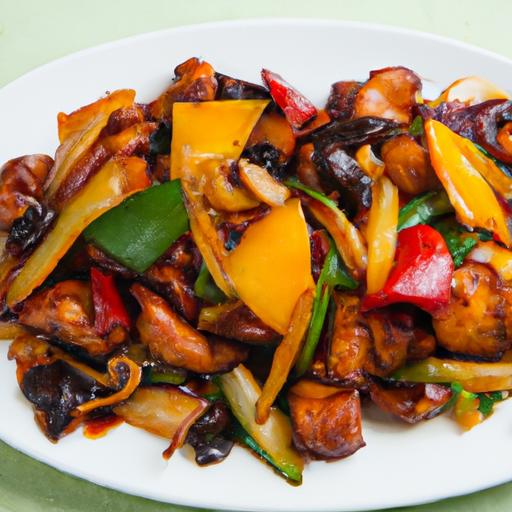
Kung pao Chicken is a fiery, flavorful dish that perfectly captures the essence of Sichuan cuisine, balancing heat, sweetness, and savoriness in every bite. originating from the Sichuan province in China, this iconic stir-fry dazzles with its signature crispy peanuts, tender chicken, and pungent chili peppers. Its captivating aroma and vibrant appearance have made it a beloved staple worldwide. As a culinary content creator passionate about authentic flavors, I’ve always been fascinated by how this dish embodies both tradition and innovation over centuries.
Prep and Cook Time
- Planning: 15 minutes
- Cooking: 12 minutes
- Total Time: 27 minutes
Yield
Serves 4 hearty portions
Difficulty Level
Medium – ideal for home cooks wanting to master genuine Sichuan flavors with confidence
Ingredients
- 400g boneless, skinless chicken thighs, cut into bite-sized pieces
- 2 tablespoons cornstarch, for coating
- 3 tablespoons vegetable oil, divided
- 10-12 dried red chili peppers, halved and seeds removed (adjust to taste)
- 1 tablespoon Sichuan peppercorns, toasted and lightly crushed
- 3 cloves garlic, minced
- 1 tablespoon fresh ginger, finely chopped
- 4 scallions, sliced into 2-inch lengths, whites and greens separated
- ½ cup raw unsalted peanuts
- 2 tablespoons light soy sauce
- 1 tablespoon dark soy sauce
- 1 tablespoon Chinese black vinegar
- 2 teaspoons sugar
- 1 teaspoon Shaoxing wine (chinese cooking wine)
- ½ cup chicken stock or water
Instructions
- Prepare the chicken: Toss the chicken pieces with cornstarch until evenly coated. This will create a velvety texture when stir-fried.
- Toast peanuts and peppercorns: In a dry wok or skillet over medium heat, toast the peanuts until golden and fragrant, about 3-4 minutes.Remove and set aside. Toast the Sichuan peppercorns separately for about 2 minutes until aromatic,then crush lightly with a mortar and pestle.
- Fry chicken: Heat 2 tablespoons of vegetable oil in the wok over high heat until shimmering. Add the coated chicken pieces in a single layer and stir-fry until golden brown and cooked through, about 5-6 minutes. Transfer to a plate and keep warm.
- Stir-fry aromatics: Lower heat to medium-high. Add remaining 1 tablespoon oil, then stir in dried chilies and crushed Sichuan peppercorns. Sauté for 1 minute until chilies begin to darken but not burn-this releases essential smoky notes.
- Add garlic, ginger, and scallion whites: Stir continuously for 30 seconds to infuse the oil without burning.
- Mix the sauce: In a small bowl, combine light soy sauce, dark soy sauce, black vinegar, sugar, Shaoxing wine, and chicken stock. Pour this mixture into the wok.
- Combine chicken and sauce: Return the chicken to the wok and toss quickly to coat. Allow the sauce to reduce and thicken slightly, about 2 minutes, until it clings to the chicken with a glossy finish.
- Finish with peanuts and scallion greens: Stir in toasted peanuts and scallion greens just before removing from heat to preserve their texture and freshness.
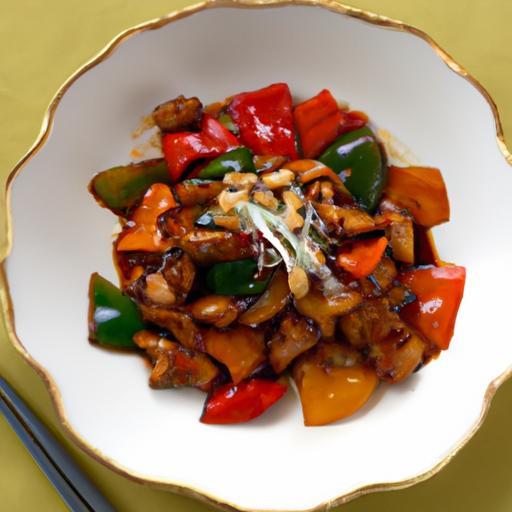
- Serve immediately: Plate your kung Pao Chicken piping hot, garnished with extra peanuts or fresh scallions if desired.
Tips for Success
- Protein choice: Using chicken thighs ensures juicy tenderness; avoid lean breast to prevent drying.
- Control heat: Adjust the number of dried chilies to suit your spice tolerance; always remove seeds to minimize excessive heat.
- Toasting spices: Don’t skip toasting Sichuan peppercorns-they provide the uniquely numbing “má” sensation essential to authentic flavor.
- Make ahead: You can prepare the sauce and toast peanuts in advance. Cook chicken fresh for best texture.
- Substitutions: If unavailable, substitute black vinegar with a combination of balsamic vinegar and a splash of lemon juice for acidity.
Serving Suggestions
Serve Kung Pao Chicken over steamed jasmine rice or fluffy white rice noodles to soak up the rich sauce. Garnish with extra roasted peanuts and thinly sliced fresh scallions for added crunch and color. For a well-balanced meal, pair with stir-fried bok choy or garlic green beans. A chilled jasmine tea or light lager beautifully complements the fiery kick.

| nutrient | Amount per Serving |
|---|---|
| Calories | 350 kcal |
| Protein | 28 g |
| Carbohydrates | 15 g |
| Fat | 18 g |
Explore our thorough guide to Sichuan cuisine for more authentic recipes that bring bold flavors to your kitchen. For an authoritative background on Sichuan culinary culture, visit the China highlights Sichuan food Guide.
Q&A
Kung Pao Chicken Unveiled: Flavor, History, and Recipe Tips
Q1: What exactly is Kung Pao Chicken?
A1: Kung Pao Chicken is a vibrant, spicy-sweet stir-fry dish originating from Sichuan province in China. It typically features diced chicken, crunchy peanuts, and a lively sauce that dances on the palate with notes of chili, garlic, and a hint of sweetness. It’s a perfect harmony of texture and flavor-crispy, tender, spicy, and savory all at once.
Q2: Where does the name “Kung Pao” come from?
A2: The name “Kung Pao” (宫保, Gōngbǎo) honors a Qing dynasty official named Ding Baozhen, who was a governor of Sichuan.The dish’s name translates roughly to “Palace Guardian,” a nod to his noble title, and it’s said to have been one of his favorite recipes. Over time, his title became synonymous with this delectable stir-fry.
Q3: What makes Kung Pao Chicken so distinctive compared to other Chinese dishes?
A3: Its distinctive character comes from a few key elements: the use of Sichuan peppercorns creating a numbing “mala” sensation, the balance between spicy and sweet flavors, and the satisfying crunch of roasted peanuts. This layering of tastes and textures makes Kung pao Chicken uniquely exciting, unlike the more straightforward sweet and sour or soy-based dishes.
Q4: Can Kung Pao Chicken be made authentically at home?
A4: Absolutely! Authentic Kung Pao Chicken relies on a few signature ingredients: fresh diced chicken, dried red chilies, Sichuan peppercorns, toasted peanuts, and an umami-packed sauce made from soy sauce, vinegar, sugar, and a splash of Shaoxing wine. The trick is in the timing – stir-frying ingredients quickly over high heat to preserve their texture and vibrant flavors.Q5: Any tips for perfecting the homemade Kung Pao Chicken?
A5: definitely! Here are some kitchen secrets:
- Marinate your chicken in a mix of soy sauce, cornstarch, and a little cooking wine to keep it tender and juicy.
- Don’t skimp on the Sichuan peppercorns-they add that signature tingling sensation.Toast them lightly before adding for maximum aroma.
- Dry-fry the peanuts separately until golden for extra crunch.
- Control the heat carefully; too much chili can overpower the dish, but a few dried chilies bring that essential smoky spiciness.
- finish with a fast wok toss to coat every morsel in the glossy sauce.
Q6: How has Kung Pao Chicken evolved outside of China?
A6: As Kung Pao Chicken traveled from Sichuan kitchens to tables worldwide,it adapted to local tastes. In the west, it often leans sweeter and less numbing, with the inclusion of bell peppers or carrots for extra color and crunch. Though tasty, these versions sometimes stray from the fiery and complex roots of the original Sichuan masterpiece.
Q7: Can I substitute chicken in Kung Pao Chicken?
A7: Sure! while chicken is conventional, many cooks enjoy variations with tofu, shrimp, or even beef.Tofu offers a vegetarian-kind twist and soaks up the sauce beautifully. Just be sure to adjust cook times accordingly and maintain that crispy texture to honor the dish’s spirit.
Q8: What’s the best way to serve Kung Pao Chicken?
A8: Kung pao Chicken shines best hot, straight from the wok, served with fluffy jasmine rice to balance its bold flavors. A side of simple stir-fried greens or steamed vegetables can provide a refreshing contrast,making for a well-rounded,satisfying meal.
Q9: Why is Kung Pao Chicken so popular worldwide?
A9: Its popularity stems from its perfect flavor trifecta: spice, sweetness, and umami, combined with a delightful textural contrast. It’s versatile, comforting, and exciting-whether you crave heat or a satisfying crunch. this dish bridges cultures through flavor,inviting adventurous eaters and comfort food lovers alike.
Q10: Any fun facts about Kung Pao Chicken?
A10: Here’s a tasty tidbit: The original Sichuan recipe rarely includes the bell peppers, peanuts, or heavy sweetness found in many Western adaptations. Also, it was initially a peasant dish, but its association with Governor Ding elevated it to culinary fame. Today, it’s a symbol of Sichuan cuisine’s bold, dynamic personality.
Ready to dig into your own Kung Pao adventure? Embrace the spice, balance your flavors, and enjoy a dish that’s as rich in history as it is in taste. Happy cooking!
Insights and Conclusions
As the aromatic spices of Kung Pao Chicken continue to dance on your palate, it’s clear that this dish is more than just a meal-it’s a story served on a plate. From its rich history rooted in Sichuan tradition to the bold, balanced flavors that have captivated taste buds worldwide, Kung Pao Chicken stands as a delicious testament to cultural heritage and culinary artistry. Whether your a kitchen novice or a seasoned chef, armed with these recipe tips, you’re now ready to bring this iconic dish to life in your own home. So go ahead-embrace the sizzle, the spice, and the satisfaction, and let kung Pao Chicken become your next unforgettable culinary adventure.