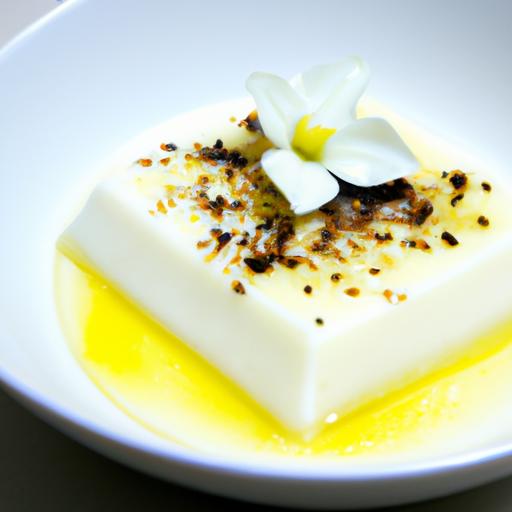

In the vast tapestry of global desserts, few treats possess the delicate charm and comforting simplicity of douhua – the silky, cloud-like tofu pudding that has captivated taste buds for centuries. Frequently enough overlooked by the uninitiated, douhua is far more than just a humble soy-based dish; it is indeed a cultural emblem, a canvas of flavors, and a testament to the art of subtlety in texture and taste. From bustling street stalls in Taiwan to refined tearooms in mainland China, this soft, gentle pudding invites food lovers to explore a world where smoothness meets sweetness, and tradition mingles effortlessly with innovation. Join us as we delve into the luscious realm of douhua delights, uncovering its origins, variations, and the sensory pleasures that make this unassuming dessert an unforgettable experience.
Douhua delights: Exploring the Silky World of Tofu Pudding
Douhua delights have enchanted taste buds for centuries, offering a luscious, melt-in-your-mouth tofu pudding that transcends continents and cultures. Originating from ancient China, this silky treat weaves together history, tradition, and texture in interesting ways. Whether served sweet or savory, Douhua embraces subtlety and richness, making it an irresistible indulgence for food lovers everywhere.
The Origins and Cultural Significance of Douhua Delights
Douhua’s roots trace back over 2,000 years to the Han dynasty in China, where it was initially considered a humble street food enjoyed across social classes. Traditionally, the dish symbolized comfort and simplicity, often served early in the morning or as a light snack. Its soft texture represents elegance and culinary finesse-the pudding is crafted from freshly coagulated soy milk, creating a product both delicate and nourishing.
Beyond China, Douhua delights have blossomed across East and Southeast Asia-each region infusing its cultural nuances. From the fragrant ginger syrup of Taiwan to the savory black bean sauce in Sichuan, douhua is more than food; it’s a cultural narrative of sharing and gathering, frequently enough enjoyed during festivals or casual family moments. Learning about these traditions enriches your recognition of every spoonful.
Texture and Taste Variations Across regions
The magic of Douhua delights lies not only in its taste but the uniquely varied textures and flavors across regions. In northern china, the pudding tends to be firmer, almost custard-like, while southern varieties emphasize a softer, almost custardy smoothness. Taiwan’s version usually comes with a fragrant ginger syrup, adding warmth and a pleasant bite, whereas Malaysian and Singaporean renditions favor palm sugar syrup, deepening the sweetness with caramel notes.
In savory interpretations, like those found in Sichuan and guangdong, Douhua is paired with chili oil, soy sauce, or fermented black beans-creating a spicy, umami-rich contrast to the tofu’s subtle base.This dual nature showcases its versatility: a canvas for both sweet and savory artistry.
Top Traditional and Modern Douhua Delights Recipes to try
Prep and Cook Time
- Prep Time: 15 minutes
- Cook Time: 20 minutes
Yield
- 4 servings
Difficulty Level
- Easy
Ingredients
- 1.5 cups dried soybeans, soaked overnight
- 6 cups water, divided
- 1/2 teaspoon gypsum powder (food-grade calcium sulfate), dissolved in 1/4 cup water (coagulant)
- 1 cup brown sugar, for syrup
- 2 slices fresh ginger
- Optional savory toppings: soy sauce, toasted sesame oil, chopped scallions, chili oil
Instructions
- Prepare soy milk: Drain soaked soybeans, blend with 4 cups water until smooth. Strain through a nut milk bag into a pot,squeezing out all liquid.
- Cook soy milk: Heat the soy milk over medium heat, stirring frequently to prevent sticking, bringing it just to a gentle boil. Remove from heat.
- Coagulate tofu pudding: Stir the gypsum water mixture gently into the hot soy milk, cover instantly, and let it rest undisturbed for 15 minutes until softly set like a custard.
- Make syrup: Combine 2 cups water, brown sugar, and ginger slices in a saucepan. Simmer 10 minutes until fragrant, then strain and keep warm.
- Serve: Spoon the silken tofu pudding into bowls, drizzle with warm ginger syrup for sweetness, or add savory toppings for a spicy kick.
Chef’s Notes
- For smoother tofu pudding, strain soy milk twice before coagulating.
- Gypsum powder is a traditional coagulant; substitute with nigari (magnesium chloride) for a slightly different texture.
- If you prefer a firmer pudding, increase coagulant slightly but avoid over-mixing to maintain silkiness.
- Douhua delights can be prepared ahead: refrigerate the tofu pudding and gently warm it with syrup before serving for best texture.
- Modern variations include toppings like fresh fruits, red beans, or coconut milk to fuse tradition with innovation.
Serving suggestions
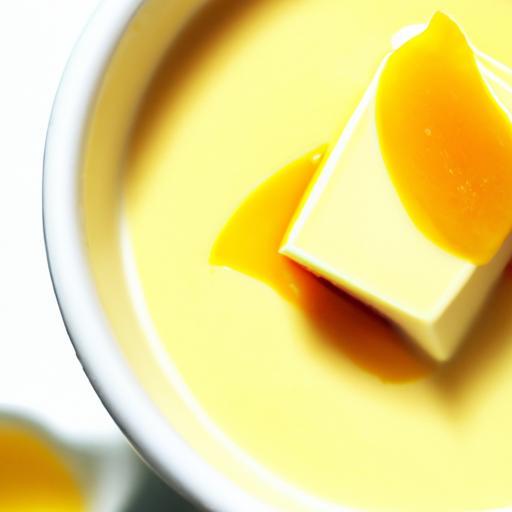
Present Douhua delights in clear glass bowls to showcase its silky translucence. Garnish with finely chopped scallions and toasted sesame seeds for savory versions, or add a swirl of fragrant ginger syrup and a sprinkle of crushed peanuts for sweet preparations. Include a small side of jasmine tea to complement and cleanse the palate. For modern twists, top with fresh mango chunks or drizzle with coconut cream to uplift the traditional comfort to a gourmet experience.
Nutritional Details
| Nutrient | Per Serving |
|---|---|
| Calories | 150 |
| Protein | 10g |
| Carbohydrates | 22g |
| Fat | 4g |
Where to Find the Best Douhua Delights experiences Worldwide
Exploring Douhua delights across the globe is a journey rich with flavor and culture. Taipei’s bustling night markets, especially the Shilin and raohe Street Night Markets, serve some of the softest douhua paired with aromatic ginger syrup, a true must-try experience. In Hong Kong, head to traditional dessert shops offering the famed tofu fa with honey and osmanthus flowers.
For savory adventures, Sichuan’s local eateries present Douhua topped with chili, fermented black beans, and soy sauce, delivering bold, spicy contrasts perfect for those who crave heat.
Beyond Asia, cities like Vancouver, San Francisco, and London have seen a rise in authentic Douhua delights thanks to adventurous chefs and food festivals, making it easier than ever to experience this silken marvel. To find recommended spots and cultural tips, check out this thorough guide by Nations Online.

Ready to unlock the silky depths of Douhua delights? Don’t miss our related article on the subtle textures of silken tofu for even more culinary inspiration.
Q&A
Q&A: Douhua Delights – Exploring the Silky World of Tofu Pudding
Q1: What exactly is Douhua?
A1: Douhua, frequently enough known as tofu pudding or tofu silky dessert, is a soft, delicate snack made from fresh soy milk that’s coagulated into a smooth, custard-like texture.Unlike the firmer tofu blocks used in savory dishes, douhua melts in your mouth with an ethereal silkiness that’s both comforting and refreshing.
Q2: Where does Douhua originate from?
A2: Douhua traces its roots deep into Chinese culinary history, dating back over a thousand years. It’s a beloved street food across many East and Southeast Asian countries,with regional twists adapting it to local tastes-from sweet syrups in China to savory toppings in Malaysia and Vietnam.
Q3: What makes Douhua’s texture so unique?
A3: The magic lies in using fresh soy milk combined with a gentle coagulant such as gypsum (calcium sulfate) or nigari (magnesium chloride).The soy proteins curdle softly, setting into a silky custard rather than a firm block. This delicate process requires skill and precision, as overheating or improper coagulant balance can alter the signature melt-in-your-mouth quality.
Q4: How is Douhua typically served?
A4: Douhua shines in versatility. In sweet versions, it’s drizzled with fragrant ginger syrup, fragrant brown sugar, or topped with red beans and tapioca pearls. Savory renditions may include soy sauce, chili oil, scallions, and pickled vegetables, especially popular in regions like Sichuan or Taiwan. The temperature can range from piping hot to chilled, depending on preference and season.
Q5: Can Douhua be enjoyed year-round?
A5: Absolutely! Warm douhua offers a soothing comfort during chilly days, while cold douhua drenched in sweet syrup or coconut milk serves as a refreshing treat in the summer heat.its adaptable nature ensures it’s a seasonal delight for any time of the year.
Q6: Is Douhua healthy?
A6: Douhua is a nutritious choice-packed with plant-based protein, low in fat, and free from gluten. the soybean base supports heart health and provides essential amino acids. The sweetness level can be calibrated to your liking,making it an excellent guilt-free indulgence when enjoyed mindfully.
Q7: How can I make Douhua at home?
A7: Making douhua is a rewarding kitchen adventure requiring soybeans, water, and a coagulant. After soaking and blending soybeans into milk, you heat it gently, then add the coagulant to let it set. While traditional techniques may take practice, simple recipes and pre-made kits are available for curious cooks eager to recreate this silky marvel at home.
Q8: Why is Douhua often associated with comfort and nostalgia?
A8: Beyond flavor, douhua carries cultural significance and evokes memories of bustling marketplaces, family recipes, and humble street vendors. Its soft texture and gentle sweetness whisper comfort to many who grew up savoring it, making each bite a warm connection to heritage and tradition.Whether you crave a sweet dessert dripping with syrup or a savory snack infused with bold flavors, douhua offers a sumptuous journey into the silky heart of tofu pudding-a simple dish that’s anything but ordinary.
The Way Forward
As we close the chapter on the delicate world of douhua, it’s clear that this humble tofu pudding is much more than a simple dessert-it is a silky tapestry woven with tradition, culture, and versatility. Whether enjoyed warm with fragrant syrup or chilled alongside vibrant toppings, douhua invites us to savor the subtle harmony of texture and flavor that has delighted palates for centuries. Next time you seek a treat that is both comforting and refreshing, let douhua beckon you into its smooth embrace, reminding us that sometimes, the softest pleasures leave the deepest impressions.