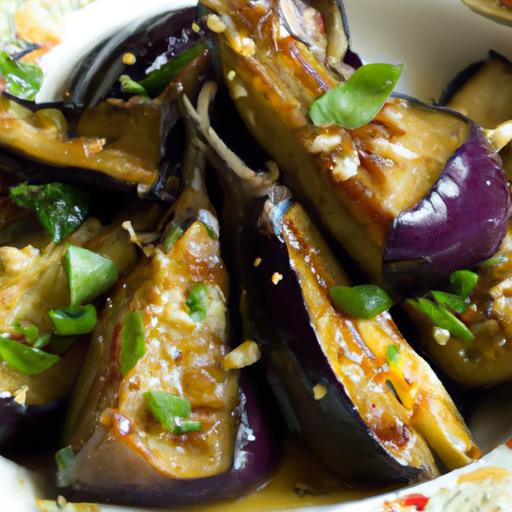

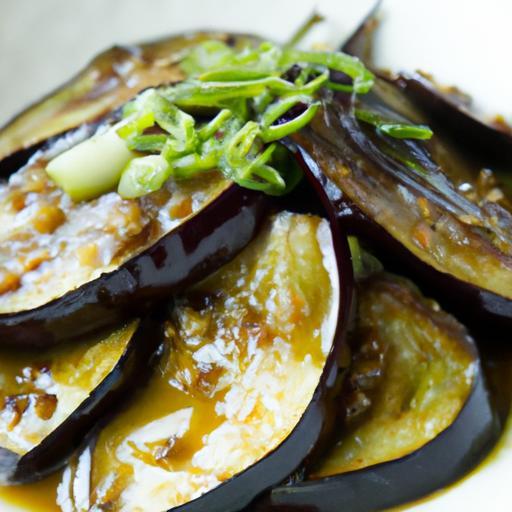
There’s a certain magic in the way humble ingredients transform under the right hands-and few dishes embody this enchantment better than Authentic Chinese Eggplant in Garlic Sauce. Silky strands of tender eggplant bathed in a symphony of savory, sweet, and tangy garlic-infused sauce invite the palate on a flavorful journey through china’s rich culinary heritage. In this article, we’ll delve into the origins, key techniques, and the vibrant layers of taste that make this beloved dish a staple in Chinese kitchens worldwide. Prepare to savor every bite as tradition and taste intertwine in perfect harmony.
Authentic Chinese eggplant in garlic sauce is a beloved dish that celebrates the harmonious blend of silky eggplant and a bold,savory garlic sauce. Mastering this classic means knowing how to select the perfect eggplant, achieving that rich, balanced sauce, and capturing the essence of traditional Chinese flavors.
Prep and Cook Time
- preparation: 15 minutes
- Cooking: 20 minutes
- Total Time: 35 minutes
Yield
Serves 4 generously as a main or 6 as a side dish.
Difficulty Level
Medium – Ideal for home cooks looking to elevate their Chinese cooking skills.
Ingredients
- 2 medium Chinese eggplants (long, slender with smooth, deep purple skin)
- 3 tbsp vegetable oil (neutral-flavored for frying)
- 5 cloves garlic, minced
- 2 tbsp ginger, finely chopped
- 3 green onions, sliced (white and green parts separated)
- 2 tbsp soy sauce (light)
- 1 tbsp dark soy sauce (for color and depth)
- 1 tbsp Shaoxing wine (Chinese cooking wine)
- 1 tbsp black vinegar (Chinkiang preferred)
- 1 tbsp sugar
- 1 tsp cornstarch (mixed with 3 tbsp water, for thickening)
- ½ cup vegetable broth
- 1 tsp chili paste (optional, for gentle heat)
- Sesame seeds and fresh cilantro (for garnish)
Step-by-step Instructions
- Choose the right eggplant: begin by selecting eggplants that feel firm yet slightly tender to the touch, with glossy skin free of blemishes. Chinese eggplants are preferred due to their thin skin and fewer seeds, offering tenderness perfect for absorbing the garlic sauce.
- Prepare the eggplants: Wash and cut each eggplant lengthwise into quarters or eighths if large. soak in salted water for 15 minutes to prevent browning and remove any bitterness. Drain and pat dry thoroughly to avoid sogginess during frying.
- Pre-fry the eggplant: Heat 3 tablespoons of vegetable oil in a large skillet over medium-high heat. add eggplant pieces and sauté until they turn golden brown and tender, about 5-7 minutes, stirring gently to prevent sticking and breakage. Remove with a slotted spoon and set aside.
- Sauté aromatics: In the same skillet, remove excess oil, leaving roughly 1 tablespoon. add minced garlic,chopped ginger,and the white parts of the green onions. Cook over medium heat until fragrant, about 1-2 minutes, stirring continuously to avoid burning.
- Create the garlic sauce: Stir in soy sauce, dark soy sauce, Shaoxing wine, black vinegar, sugar, and chili paste (if using). Add vegetable broth and bring the mixture to a gentle simmer.
- Thicken the sauce: Slowly whisk in the cornstarch slurry until the sauce thickens and becomes glossy, coating the back of a spoon perfectly-about 1-2 minutes on low heat.
- Combine & finish: Return the sautéed eggplant to the pan,tossing gently in the sauce to coat evenly without breaking the pieces. Cook for an additional 2-3 minutes to allow flavors to meld.
- Garnish and serve: Transfer the eggplant to a serving dish and sprinkle with sliced green onions (green parts), toasted sesame seeds, and fresh cilantro leaves for bursts of aroma and color.
Expert Tips for Success
- Selection matters: Avoid rounded globe eggplants which tend to be denser and more bitter. The slender Chinese eggplant offers a sweeter,creamier texture perfect for soaking up the garlic sauce.
- Don’t skip soaking: The saltwater soak curbs bitterness and keeps eggplant from absorbing excess oil.
- Control your heat: Fry eggplant over medium-high heat for the crisp exterior yet tender interior, preventing oiliness.
- Balance flavors: The interplay of vinegar, sweetness, and the rich umami from soy sauces creates a symphony of tastes. Adjust sugar or vinegar to your preference.
- Make ahead: Prepare the sauce in advance and store eggplant fried separately. Reheat and combine just before serving to maintain texture.
Serving and Pairing Suggestions
Present your creation on a shallow white platter to showcase the striking deep purple and glossy garlic sauce. Serve hot or warm alongside fluffy jasmine rice or noodle dishes. Pair with a crisp, aromatic green vegetable like stir-fried bok choy or garlic snap peas for textural contrast. For drinks, a subtly chilled jasmine tea or a light Asian lager complements the dish’s rich garlic notes beautifully.

| Nutrient | Per Serving |
|---|---|
| Calories | 180 kcal |
| Protein | 3 g |
| Carbohydrates | 15 g |
| Fat | 12 g |
For more insights on Chinese cooking techniques, explore our Guide to Chinese Stir-Fry Methods. To deepen your understanding of Chinese vinegar’s unique qualities, check out Serious Eats’ detailed profile on Chinkiang Vinegar.
Q&A
Q&A: Savor the Flavour – Authentic Chinese Eggplant in Garlic Sauce
Q1: What makes Chinese eggplant in garlic sauce so distinctive?
A1: The magic lies in the harmonious balance of flavors and textures.Silky,tender chinese eggplants absorb a vibrant garlic sauce that’s both savory and slightly sweet,with a hint of umami and spice.This dish is a perfect example of Chinese culinary artistry – simple ingredients transformed into an irresistible symphony of taste.
Q2: Why use Chinese eggplants instead of the common globe variety?
A2: Chinese eggplants are slender, with thinner skin and fewer seeds, making them creamier and less bitter than the globe eggplants typically found in Western markets.Their delicate texture soaks up sauces beautifully, enhancing the dish’s overall richness.
Q3: How is the garlic sauce prepared? What makes it authentic?
A3: authentic garlic sauce combines fresh minced garlic, ginger, soy sauce, Chinese black vinegar, a touch of sugar, and often a dash of chili for warmth. the key is balancing these elements so the garlic shines without overpowering. Some recipes also include fermented bean paste to deepen the flavor profile, adding that signature complexity.
Q4: Can this dish be made vegan or gluten-free?
A4: absolutely! The traditional sauce is naturally vegan, using soy sauce (just ensure it’s vegan-kind). To make it gluten-free, substitute regular soy sauce with tamari or coconut aminos. This way, everyone can savor the bold flavors without compromise.
Q5: What’s the best cooking method to get that perfect texture?
A5: The eggplant should be stir-fried or pan-fried until soft and slightly caramelized. Some recipes call for steaming or briefly boiling first to speed up cooking, but frying helps develop a deeper flavor and keeps the eggplant silky rather than mushy.
Q6: What dishes or sides pair well with authentic Chinese eggplant in garlic sauce?
A6: Think of this dish as the centerpiece of a comforting Chinese meal. It pairs wonderfully with steamed jasmine rice, a simple stir-fried green vegetable like bok choy, or light dumplings. Its bold flavors also complement milder dishes, creating a balanced dining experience.Q7: How can home cooks recreate restaurant-quality eggplant in garlic sauce?
A7: Fresh ingredients and timing are key.Use fresh garlic and ginger, don’t overcook the eggplant, and prepare the sauce ahead to toss in quickly.Use high heat for stir-frying to get that slightly smoky aroma. Lastly, taste and adjust seasoning gradually-a hallmark of authentic chinese cooking.
Q8: Is Chinese eggplant in garlic sauce a healthy option?
A8: Yes! Eggplants are rich in fiber, antioxidants, and vitamins, while the garlic in the sauce offers anti-inflammatory benefits. When cooked with moderate oil and balanced seasonings, this dish is both flavorful and nutritious-a win-win for your palate and your well-being.
Q9: Can regional variations effect the flavor of this dish?
A9: Certainly! While the Sichuan version might include chili oil for fiery heat, a Cantonese style leans towards a sweeter, milder garlic sauce. Each region’s palate influences the balance of spice, sweetness, and tang, adding delightful diversity to this classic dish.
Q10: Why has Chinese eggplant in garlic sauce remained a beloved dish over generations?
A10: Because it captures the essence of Chinese comfort food-simple, fresh ingredients elevated by skill and tradition. It’s a dish that’s approachable yet layered with flavor, evoking warmth, family, and shared meals-a truly timeless taste to savor.
To Wrap It Up
As the rich aroma of garlic mingles with the tender,silky eggplant,it’s clear that this classic Chinese dish is more than just a meal-it’s a celebration of bold flavors and time-honored tradition. Whether you’re a seasoned foodie or a curious cook, mastering authentic Chinese eggplant in garlic sauce invites you to savor every bite and appreciate the harmony of simple ingredients transformed through skillful cooking. So next time you’re craving something vibrant, comforting, and deeply satisfying, let this dish transport your taste buds straight to the heart of Chinese cuisine-one garlicky, luscious mouthful at a time.