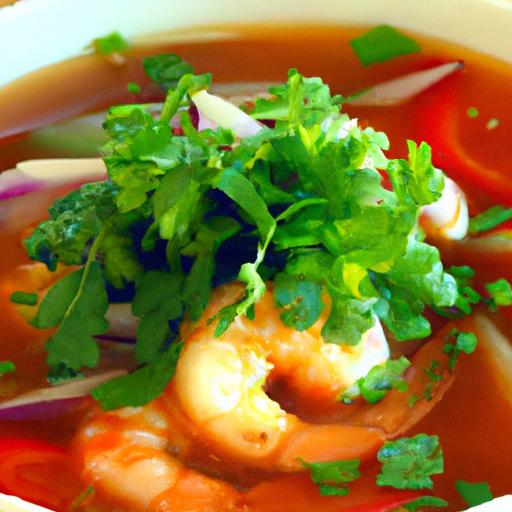

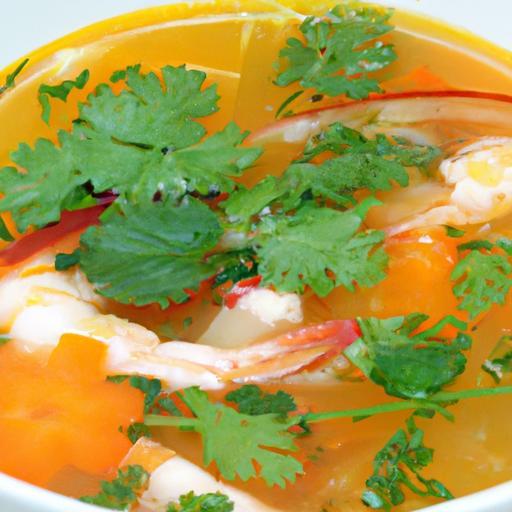
Nestled within the vibrant tapestry of Vietnamese cuisine lies a dish that sings with the harmonious balance of sour, sweet, and savory-Canh Chua.This tangy fish soup, beloved from the bustling streets of Saigon to the tranquil Mekong Delta, invites diners on a sensory journey through fragrant herbs, fresh vegetables, and the unmistakable zing of tamarind broth. More than just a comforting meal, Canh Chua is a culinary emblem of Vietnam’s rich cultural heritage and regional diversity. In this article, we’ll unveil the secrets behind Canh Chua’s irresistible flavor, explore its origins, and discover why this humble soup continues to captivate palates around the world.
Canh chua is a vibrant expression of Vietnam’s culinary artistry, known for its uniquely radiant and tangy flavor profile that beautifully balances sweet, sour, savory, and fresh herbal notes. This iconic soup originates from the fertile Mekong Delta,where rivers teem with fresh fish and an abundance of tropical produce shapes regional dishes. Preparing Canh Chua isn’t just cooking; it’s a sensory journey that awakens your palate with every spoonful, revealing the essence of vietnamese home cooking and culture.
Prep and Cook Time
- Planning: 15 minutes
- Cooking: 25 minutes
- Total: 40 minutes
Yield
Serves 4 generously as a comforting main course.
Difficulty Level
Easy to Medium – perfect for cooks eager to explore authentic vietnamese flavors with confidence.
Ingredients
- 500g fresh catfish fillets,cut into bite-sized pieces
- 6 cups water or homemade fish broth
- 2 medium tomatoes,quartered
- 150g pineapple chunks (fresh preferred)
- 100g bean sprouts,rinsed
- 1 stalk lemongrass,bruised and cut into 3-inch pieces
- 2 tamarind pods or 2 tablespoons tamarind paste
- 3 cloves garlic,minced
- 2 bird’s eye chilies,sliced (optional for heat)
- 1 tablespoon fish sauce (adjust to taste)
- 1 teaspoon palm sugar or brown sugar
- fresh herbs: 1 cup Thai basil leaves,½ cup cilantro,½ cup sawtooth coriander
- 2 green onions,chopped
- Cooking oil (for sautéing)
Step by Step Guide to Crafting Authentic Canh Chua
- Prepare the tamarind broth: Soak tamarind pods in 1 cup warm water for 10 minutes. Squeeze and strain to extract the sour juice, discarding solids.this forms the tangy heart of your soup.
- Sauté aromatics: In a large pot, heat 1 tablespoon cooking oil over medium heat. add minced garlic, bruised lemongrass, and chilies. Sauté until fragrant, about 2-3 minutes.
- Add water and flavorings: Pour in 6 cups of water or fish broth. Stir in the fresh tamarind juice, fish sauce, and palm sugar to balance sweet and sour. bring to a gentle boil.
- Add vegetables and fish: Toss in pineapple chunks and quartered tomatoes. Simmer for 5 minutes, then gently add the catfish pieces.Cook until the fish turns opaque and flakes easily, about 7-8 minutes.
- Finish with fresh textures: stir in bean sprouts and green onions. Taste and adjust seasoning with more fish sauce or sugar if needed.
- Add fresh herbs: Just before serving, remove lemongrass stalks and sprinkle the Thai basil, cilantro, and sawtooth coriander over the soup for that signature herbal lift.
- Serve piping hot, accompanied by steamed jasmine rice to soak up the aromatic broth.
Chef’s Notes & Tips for Success
- Fish choice: While catfish is traditional and offers a firm texture, you can substitute with basa or snakehead fish for regional variation.
- Tamarind alternatives: If fresh tamarind is hard to find,quality tamarind paste works well. Begin with 1 tablespoon and adjust to your preferred tanginess.
- Herbs matter: The fragrant combination of Thai basil and sawtooth coriander is key to authenticity. Freshness transforms the flavor dramatically.
- Heat level: Bird’s eye chilies add fiery depth but can be omitted or reduced for a milder palate.
- Make ahead: For a richer broth, prepare the tamarind base a day ahead, keeping it refrigerated. Add fresh ingredients just before serving for optimal vibrancy.
Perfect Pairings and Serving Suggestions
Enjoy your Canh Chua by plating it alongside fresh Vietnamese spring rolls for a light, herbaceous complement. A crisp, chilled glass of Vietnamese iced tea with lemon enhances the tangy flavors beautifully.
Garnish with additional fresh herbs, sliced chili, and a wedge of lime. Serve with steamed jasmine rice or broken rice to soak up the flavorful broth.
For a more indulgent meal, pair with a side of crispy fried shallots or sweet fish sauce dipping sauce for textures and contrasting flavors.
| Nutrient | Amount |
|---|---|
| Calories | 220 kcal per serving |
| Protein | 28g |
| carbohydrates | 15g |
| Fat | 5g |

For deeper insights on Vietnamese herbs and their health benefits, visit Healthline’s herbal guide.
Q&A
Q&A: Canh Chua Unveiled – Vietnam’s Tangy Fish Soup Delight
Q1: What is Canh Chua?
A1: canh Chua, literally translating to “sour soup,” is a beloved Vietnamese dish known for its harmonious balance of tangy, sweet, and savory flavors.This vibrant fish soup originates from the Mekong Delta, where fresh river fish, tamarind, and local herbs combine to create a refreshing and comforting culinary treasure.
Q2: What makes Canh chua unique among other Vietnamese soups?
A2: Unlike the more famous Pho or Bun Bo Hue, Canh Chua stands out with its signature sour note, primarily derived from tamarind or sometimes pineapple. Its medley of ingredients-fish, tomatoes, pineapple, bean sprouts, and fragrant herbs like rice paddy herb (ngò om)-creates a symphony of textures and flavors that is both light and deeply nourishing.
Q3: What kinds of fish are traditionally used in Canh Chua?
A3: Traditionally,freshwater fish native to the Mekong Delta are preferred,such as snakehead fish (cá lóc),catfish (cá basa),or tilapia. These fishes have firm, white flesh that holds well in the soup, soaking up the tangy broth without losing their texture.
Q4: How is the distinctive sour flavor achieved?
A4: The signature tanginess comes from tamarind pulp steeped in water to extract its tart essence, then strained into the broth. In some variations, pineapple chunks add a gentle sweetness and additional tang. The careful balance of sourness is what awakens the palate with each spoonful.
Q5: What herbs and vegetables are essential to crafting a perfect Canh Chua?
A5: beyond fish and souring agents, tomatoes, okra, bean sprouts, and sometimes long beans enrich the soup. Fresh herbs-especially ngò om (rice paddy herb), Vietnamese coriander (rau răm), and sometimes mint-are added just before serving, imparting an aromatic punch that defines the dish’s character.
Q6: Is Canh Chua typically served as a main meal or a side dish?
A6: Canh Chua is versatile-it can be a main course when paired with steamed jasmine rice or a refreshing side soup alongside a larger Vietnamese spread.Its light, tangy profile makes it an excellent palate cleanser and a perfect companion to grilled or fried dishes.
Q7: Can Canh Chua be made vegetarian?
A7: Absolutely! While fish is traditional, vegetable versions substitute mushrooms, tofu, or jackfruit to preserve texture. Tamarind and herbs remain the flavor stars, delivering the classic sour and fragrant notes with plant-based ingredients.
Q8: Why is Canh Chua crucial in vietnamese culture?
A8: More than just a dish,Canh Chua reflects vietnamese ingenuity in balancing flavors-sour,sweet,salty,and umami-to create harmony. It embodies the bounty of the Mekong Delta and the cultural emphasis on fresh, natural ingredients. Sharing this soup is sharing a story of home,family,and tradition.
Q9: How can someone new to Vietnamese cuisine experience Canh Chua authentically?
A9: Seek out Vietnamese restaurants specializing in regional foods or markets offering fresh tamarind and Vietnamese herbs. Preparing Canh Chua at home is a rewarding journey-experiment with fresh fish, balance the sourness with sweetness, and garnish generously with herbs to savor this tangy delight.
Q10: What’s a simple tip for perfecting Canh Chua at home?
A10: The magic lies in the broth. Steep the tamarind just long enough to extract a bright sour flavor without bitterness, adjust seasoning gradually, and add herbs right before serving to preserve their aroma. This attention elevates canh Chua from everyday soup to a vibrant feast for the senses.
To Wrap It Up
As the final spoonful of Canh Chua lingers on the palate, it’s clear that this humble Vietnamese soup is much more than just a meal-it’s a vibrant tapestry of flavors that tells a story of culture, tradition, and the harmonious balance of tangy, sweet, and savory. Weather enjoyed by a bustling riverside in the Mekong Delta or recreated in kitchens around the world, Canh Chua invites food lovers to experience Vietnam’s culinary heart in a single, satisfying bowl. So next time you seek a dish that awakens the senses and warms the soul, remember the tangy delight that is Canh Chua-where every bite is a celebration of vietnam’s rich heritage and zest for life.