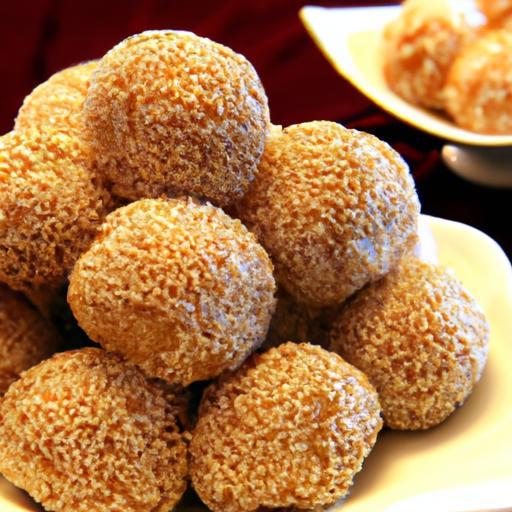

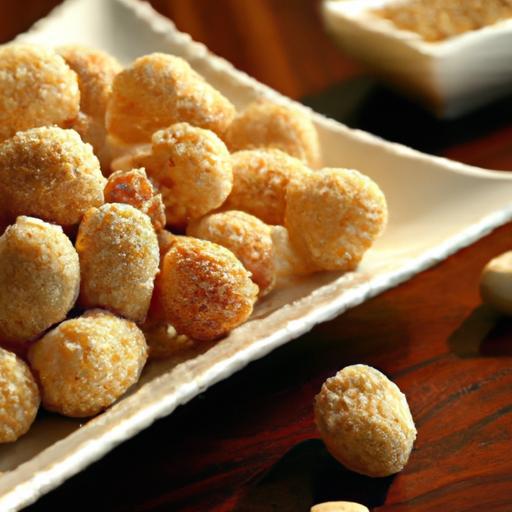
Biting into a golden sesame seed ball is like unlocking a treasure trove of texture and flavor-a perfect harmony of crisp, sweet, and subtly nutty notes wrapped in a delicate, glistening shell. These humble, round delights have journeyed through centuries and across continents, enchanting palates from bustling street markets to refined tea ceremonies. But beyond their irresistible taste lies a rich tapestry of history and craftsmanship. In this article,we delve into the art and origin of sesame seed balls,uncovering the cultural stories,traditional techniques,and timeless allure that have made these crispy treats a beloved symbol of celebration and comfort around the world.
Golden delights call for precision and passion, especially when crafting the irresistible fried sesame seed balls that have enchanted taste buds for centuries. This ancient treat, known for its crisp outer shell and luscious, subtly sweet filling, embodies a blend of cultural heritage and culinary artistry. Originating from Chinese festive traditions, sesame seed balls-frequently enough enjoyed during Lunar New Year celebrations-symbolize prosperity and happiness, making them a joyous addition to any table.
Prep and Cook time
- Planning: 30 minutes
- Cooking: 15 minutes
- Total Time: 45 minutes
Yield
- Makes approximately 20 sesame seed balls
Difficulty level
- medium – requires attention to detail but rewarding for home cooks
Ingredients
- 1 cup glutinous rice flour, sifted
- 1/4 cup granulated sugar
- 1/2 cup water, warm
- 1/2 cup sweet red bean paste (or lotus seed paste for variation)
- 3/4 cup toasted white sesame seeds
- Vegetable oil, for deep frying (enough for 2-3 inches depth)
Instructions
- Make the dough: In a mixing bowl, combine the glutinous rice flour and sugar. Gradually add warm water while mixing with your hand or a wooden spoon,until a smooth,slightly sticky dough forms. The dough should be pliable but not overly wet.
- Divide and fill: Pinch off a small piece of dough (~1 inch diameter). flatten it in your palm and place about a teaspoon of red bean paste in the centre. Carefully wrap the dough around the paste, sealing it fully and rolling it gently between your palms to form a smooth ball.
- coat with sesame seeds: roll each ball in the toasted sesame seeds,pressing lightly to ensure the seeds adhere firmly to the surface. This step guarantees that delightful crunch.
- Heat the oil: Pour vegetable oil into a deep pan or wok and heat over medium. To test oil readiness, drop a small piece of dough in-if it rises steadily and bubbles form around it, the oil is at the perfect 320°F (160°C).
- Fry carefully: Fry the sesame seed balls in batches, gently dropping them in one at a time to avoid crowding. Stir occasionally with a slotted spoon,frying about 7-8 minutes or until they puff up and turn a deep golden brown. Maintain medium heat to avoid burning – the key to crispy perfection.
- Drain and cool: remove with a slotted spoon and place on a wire rack or paper towels to drain excess oil. Allow to cool slightly before serving; they will crisp up further as they cool.
Tips for Success
- Adjust dough hydration: if dough feels dry and cracks when shaping, add water a teaspoon at a time until smooth.dough should be soft but manageable.
- Choose quality fillings: Use sweet red bean paste with a smooth texture for the iconic balance of sweetness without overpowering.
- Maintain oil temperature: Use a thermometer to keep consistent heat. Too hot and the exterior burns before cooking through; too low and balls absorb oil, becoming greasy.
- Make-ahead tip: Prepare dough and filling separately and refrigerate for up to 2 days. Assemble just before frying for freshest results.
- Variation: Try replacing sesame seeds with black sesame for a nutty twist or adding a bit of coconut flakes for extra texture.
Serving Suggestions
Serve these golden treasures warm for the ultimate texture contrast-crispy on the outside, sticky and sweet inside. Place them on a beautiful bamboo steamer or decorative plate lined with parchment. Garnishing with a light dusting of powdered sugar or a drizzle of honey adds an elegant touch. Pair with hot jasmine tea or a fragrant oolong for an authentic experience that heightens the treat’s delicate flavor.

| Nutrient | Per Serving (1 ball) |
|---|---|
| Calories | 110 kcal |
| Protein | 2 g |
| Carbohydrates | 18 g |
| Fat | 3.5 g |
Discover more delicious Asian treats in our Classic Mochi Recipes for a complementary chewy delight. For deeper cultural insights and history of traditional Chinese sweets, visit Encyclopedia Britannica.
Q&A
Q&A: Golden Delights – The Art and Origin of Sesame seed Balls
Q1: What exactly are sesame seed balls?
A1: Imagine a crispy, golden orb that melts into a chewy, sweet embrace-that’s a sesame seed ball. Originating from East Asian cuisine, these delightful treats consist of glutinous rice dough filled with sweet pastes like red bean or lotus seed, rolled generously in toasted sesame seeds, and deep-fried to perfection. They’re a bite-sized celebration of texture and flavor.
Q2: Where did sesame seed balls originate?
A2: Sesame seed balls, frequently enough known as Jian Dui in Chinese culture, trace their roots back over a thousand years to the Tang Dynasty. Legend has it they were initially crafted as auspicious snacks symbolizing good luck and prosperity,making them a traditional favorite during Lunar New year celebrations and other joyful festivities.
Q3: What makes the dough of sesame seed balls unique?
A3: The magic lies in glutinous rice flour. Unlike regular flour, it gives the dough a distinctive chewiness that’s both tender and resilient. When deep-fried, the exterior crisps up beautifully without sacrificing the soft, chewy texture inside-a textural contrast that’s central to the sesame seed ball experience.
Q4: Why sesame seeds?
A4: Beyond their nutty flavor and golden crunch, sesame seeds carry cultural symbolism. In many Asian cultures, sesame seeds represent fertility, abundance, and protection. Their shimmer when toasted also adds visual allure, transforming these snacks into little jewels that catch the eye as well as the taste buds.
Q5: Are sesame seed balls the same all over Asia?
A5: While the core idea remains-glutinous rice filled and fried-the fillings and flavor nuances differ across regions. In China, sweet red bean and lotus seed paste reign supreme. In Southeast Asia, you might find palm sugar or mung bean fillings. Each variation reflects local tastes, ingredients, and storytelling traditions, making sesame seed balls a canvas of cultural creativity.
Q6: How are sesame seed balls traditionally enjoyed?
A6: They’re best savored warm,fresh from the fryer,when the crust crackles at the slightest bite and the filling oozes sweetness. Frequently enough enjoyed with tea, sesame seed balls serve as more than snack-they’re a comforting ritual, a social glue at festivals, and a bridge between generations.
Q7: Can I make sesame seed balls at home?
A7: Absolutely! The process is an art in itself-kneading silky dough, encasing luscious filling, rolling in sesame seeds, and mastering the perfect fry temperature. It’s a humble yet rewarding kitchen adventure that invites patience and creativity, ultimately delivering those golden delights right into your hands.
Q8: What’s the secret to getting the perfect crunch without bursting the ball?
A8: It’s all about temperature and technique. Frying in medium-hot oil ensures the ball puffs up slowly, allowing steam to create that signature hollow center while keeping the crust intact.Overheated oil bursts the ball and underheated results in greasy, dense treats. Timing and attention are your best frying friends.
Q9: Why do sesame seed balls hold such cultural importance?
A9: Beyond flavor, they embody symbolism-roundness signifies unity and completeness, golden hue represents wealth, and the seeds’ abundance hints at prosperity. These sweet spheres carry hopes for happiness, family harmony, and fortune, making them much more than just a dessert-they’re edible good wishes.
Q10: How has the sesame seed ball evolved in modern cuisine?
A10: Today’s culinary artists experiment with fillings like chocolate, matcha, or even savory surprises, pushing boundaries while honoring tradition. Fusion restaurants showcase these treats alongside global flavors, proving that the humble sesame seed ball is a timeless canvas ready for reinventing without losing its golden heart.
Closing Remarks
As the final crunch of a golden sesame seed ball fades, we’re reminded that this humble treat carries centuries of history and artistry within its delicate shell. From ancient kitchens to modern tables, sesame seed balls continue to enchant with their perfect balance of crispiness, sweetness, and cultural significance.Whether enjoyed during festive celebrations or as an everyday delight, these golden spheres invite us to savor not just their flavors, but the rich traditions they embody. In every bite,the art and origin of sesame seed balls come alive-sweet little treasures that connect past and present,nourishing both body and heritage.