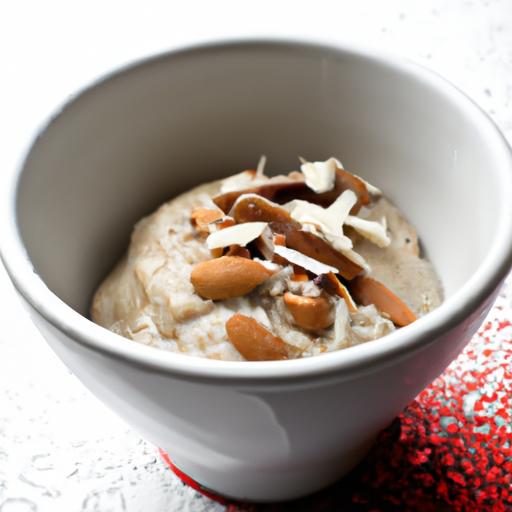

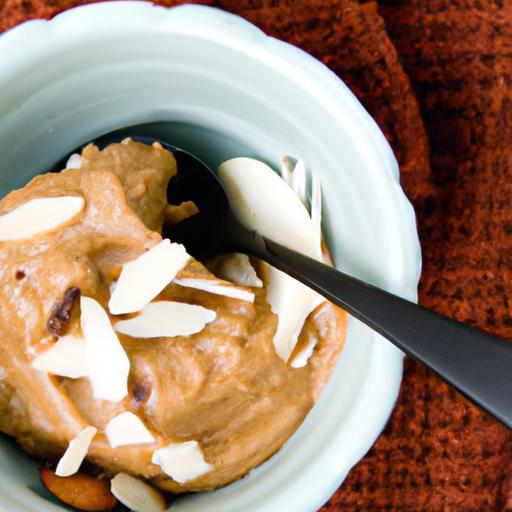
Nestled quietly in the pantry but bursting with flavor adn nutrition, almond butter is quickly carving out its place as a beloved superfood staple. Creamy, rich, and versatile, this nutty spread offers more than just a delicious twist to your toast-it’s a powerhouse of health benefits wrapped in every spoonful. From energizing breakfasts to guilt-free snacks, almond butter is redefining what it means to indulge wisely. Join us as we uncover the creamy magic behind almond butter and explore why it deserves a spot on your table every day.
Almond butter uncovered reveals a creamy superfood that delights both the palate and the body. harnessing the natural richness of roasted almonds, this luscious spread transforms humble nuts into a velvety indulgence packed with nourishing fats, protein, and fiber. Whether drizzled on toast, stirred into smoothies, or embraced in homemade energy bites, making almond butter at home guarantees freshness, unbeatable flavor, and the freedom to customize every batch to your taste.
Prep and Cook time
Preparation: 10 minutes
Roasting: 15 minutes (optional)
Processing: 10 minutes
Total Time: 35 minutes
Yield
Approximately 1 cup (240 ml) of creamy almond butter
Difficulty Level
Easy - Perfect for home cooks seeking a wholesome,hands-on kitchen project
Ingredients
- 2 cups raw almonds
- 1/4 teaspoon fine sea salt (optional)
- 1-2 teaspoons mild honey or maple syrup (optional for a touch of sweetness)
- 1-2 tablespoons neutral oil (such as almond or grapeseed oil,optional for creaminess)
instructions
- Preheat your oven to 350°F (175°C). Spread the raw almonds evenly on a baking sheet lined with parchment paper.
- Roast the almonds for 12-15 minutes,stirring halfway through,until golden brown and fragrant. This intensifies flavor and helps release oils for a creamy texture.
- Allow almonds to cool slightly for about 10 minutes-warm but not hot-to protect your food processor blades and ease blending.
- Transfer the roasted almonds to a high-powered food processor. Pulse 30 seconds to break down, then process continuously. The nuts will transform from crumbly to powdery, then clump, and finally into a silky butter.
- Scrape down the sides periodically to ensure even blending. This step takes about 8-10 minutes, so patience is key for achieving that luscious creaminess.
- Add salt, sweetener, and oil (if using) once the butter starts clumping. continue blending to incorporate these into a smooth consistency.
- Taste your almond butter and adjust salt or sweetener according to preference. For thicker butter, process less; for spreadable, add a little oil.
- Transfer almond butter to an airtight glass jar and store in the refrigerator for up to three weeks. Stir before each use, as natural oil separation may occur.
Chef’s Notes & Tips for Success
- Raw vs Roasted Almonds: Roasting unlocks deeper flavor and easier blending; though, raw almond butter has a more subtle, earthy taste and retains more heat-sensitive nutrients.
- Adjust Creaminess: For ultra-smooth almond butter, incorporate small amounts of neutral oil gradually.Avoid overpowering the nutty flavor.
- Sweetener Options: Maple syrup lends a gentle sweetness and complexity, while honey offers natural floral notes.
- Equipment: High-powered food processors or professional blenders (such as Vitamix or Blendtec) yield best results.
- Make Ahead: Almond butter can be prepared days in advance; flavors deepen with time when refrigerated.
Serving Suggestions
Enjoy your creamy almond butter spread thickly on toasted whole-grain bread topped with fresh berries or a sprinkle of chia seeds. For a wholesome boost, swirl it into morning oatmeal, blend into smoothies, or use as a luscious dip for apple slices and crunchy veggies. Elevate desserts by folding almond butter into chocolate batter or drizzling over banana ice cream with a dusting of cinnamon. garnish with crushed toasted almonds or a drizzle of honey for eye-catching texture and flavor.

| Nutrient | Per 2 Tbsp (32g) |
|---|---|
| Calories | 190 |
| Protein | 7g |
| Carbohydrates | 6g |
| Fat | 16g |
Incorporating Almond Butter Into Your Daily Diet
Integrating almond butter into your meals is a flavorful strategy to boost protein and healthy fats gently throughout the day. Start with a simple breakfast of creamy almond butter spread on grain toast or swirling into yogurt alongside fresh fruit and granola. For snacks, enjoy almond butter-stuffed celery sticks or blend it into smoothies for a satisfying creaminess that fuels afternoon energy dips.
Use almond butter as a secret ingredient in sauces or dressings-combine with tamari, lime, and garlic for a luscious dip or drizzle. Baking entrées with almond butter adds richness and depth, perfect for chicken stir-fries or vegan baked goods. Embracing this superfood spread daily opens endless culinary avenues while enhancing overall nutrition.
Choosing the Best Almond Butter for health and taste
When selecting store-bought almond butter, seek varieties labeled “100% almonds” with no added sugars, oils, or preservatives. Organic options often guarantee cleaner sourcing and better flavor profiles. Manny brands separate their almond butter into creamy or crunchy; the choice depends on personal texture preference.
For optimum taste and nutrition, avoid almond butters with hydrogenated oils or excessive salt. Remember, homemade almond butter not only tastes fresher but also allows full control over consistency and flavorings, making every spoonful a pure, wholesome pleasure.
Explore more nutritious spreads and nut butters in our Healthy Nut Butters Guide, or learn about the science behind superfoods on Healthline’s Almond Nutrition.
Q&A
Q&A: Almond Butter Uncovered – Creamy Superfood for Every Day
Q1: What makes almond butter a superfood?
A1: Almond butter earns its superfood status thanks to its nutrient-packed profile.Loaded with healthy monounsaturated fats, protein, fiber, vitamins E and B2, magnesium, and antioxidants, it’s a creamy powerhouse that boosts heart health, supports brain function, and fuels your daily energy with every spoonful.
Q2: How does almond butter differ from peanut butter?
A2: While both are delicious nut butters, almond butter tends to have a milder, slightly sweeter flavor and boasts a richer array of nutrients. It generally contains more fiber, vitamin E, and calcium than peanut butter, making it a fantastic choice for those looking to diversify their nut butter routine or seeking a nutrient boost.
Q3: Can almond butter fit into special diets?
A3: Absolutely! Almond butter is naturally gluten-free, dairy-free, and vegan. It also aligns well with paleo, keto, and whole-food plant-based diets. Just be sure to check the label for added sugars or oils if you’re sticking to clean eating principles.
Q4: What are creative ways to incorporate almond butter into daily meals?
A4: The possibilities are endless! Spread it on toast or apple slices, swirl it into oatmeal or smoothies, use it as a creamy base for salad dressings or sauces, or even stir it into your favorite baked goods. almond butter can transform ordinary snacks into nutrient-rich delights.
Q5: Is almond butter good for weight management?
A5: When enjoyed in moderation, almond butter can support weight management by promoting feelings of fullness and stabilizing blood sugar levels. Its healthy fats and protein keep hunger at bay, helping you avoid unhealthy snacking and power through your day.
Q6: How should almond butter be stored to maintain its creaminess?
A6: To keep almond butter perfectly creamy, store it in a cool, dark place. Natural almond butter may separate (oil rising to the top) – simply stir it back together. If you prefer a firmer texture, refrigeration works too, though it might thicken slightly.
Q7: Are there any considerations for those with allergies?
A7: Yes, almond butter is made from tree nuts, which are common allergens. If you have a tree nut allergy, it’s best to avoid almond butter. Always check product labels for potential cross-contamination if allergies are a concern.
Q8: Why has almond butter gained popularity recently?
A8: With rising awareness around healthier eating and plant-based options, almond butter has been embraced by food lovers worldwide. Its creamy texture, versatile uses, and impressive nutrient profile make it a trendy staple for anyone seeking tasty nourishment without compromise.Q9: Is all almond butter created equal?
A9: Not quite! Some commercial brands add sugars, oils, or preservatives that can dilute the pure nutrition. Opt for natural or organic almond butter with minimal ingredients-ideally just roasted almonds-to maximize health benefits.
Q10: What’s one golden tip for choosing the perfect almond butter?
A10: trust your taste buds and read labels carefully. The best almond butter should have a smooth, spreadable texture, a fragrant nutty aroma, and a clean ingredient list. Your daily spoonful of creamy goodness deserves nothing less!
Final Thoughts
As we wrap up our journey into the world of almond butter, it’s clear this creamy superfood deserves a permanent spot in your pantry.More than just a delicious spread, almond butter is a powerhouse of nutrients, offering a perfect blend of healthy fats, protein, and antioxidants to fuel your day. Whether swirled into smoothies, drizzled over toast, or enjoyed straight from the jar, its versatility makes healthy eating feel effortlessly indulgent. So next time you reach for a snack, remember: almond butter isn’t just an option-it’s a nourishing experience waiting to be uncovered every day.