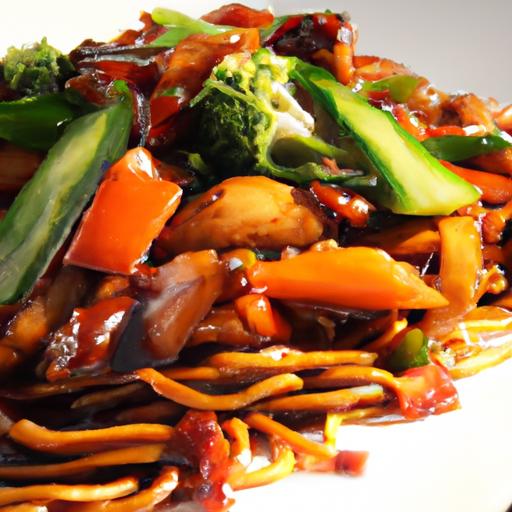

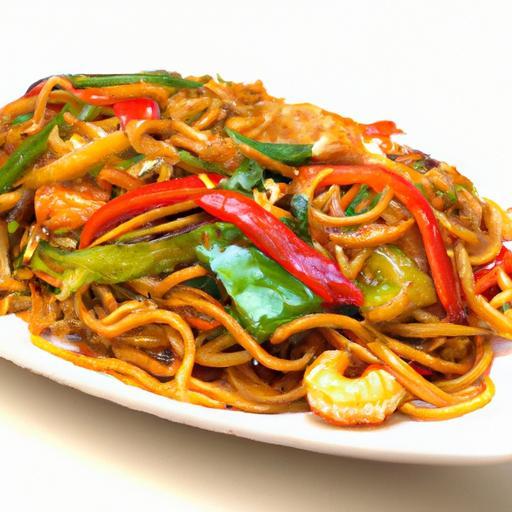
In the vast and vibrant tapestry of Chinese cuisine, lo mein stands out not merely as a dish, but as a story woven from tradition, technique, and taste. Beyond the simple strands of wheat noodles tossed with savory sauces and fresh ingredients lies an art form that has been perfected over centuries. “Lo Mein Unveiled: The Art and Flavor of Chinese Noodles” invites you to journey into the heart of this beloved staple-exploring its origins, the nuances of its planning, and the rich, layered flavors that have made lo mein a global culinary icon. Whether savored at a bustling street market or recreated in your own kitchen, the allure of lo mein is as much about the cultural heritage it carries as the delicious bite that follows. Join us as we unravel the secrets behind every twirl and taste, revealing why lo mein continues to captivate palates around the world.
Lo Mein has long enjoyed a cherished place in Chinese culinary tradition, weaving together humble noodles, vibrant vegetables, and savory sauces into a harmonious dish that excites the palate and comforts the soul. Rooted in northern China,this beloved noodle dish has evolved through centuries-embracing regional tastes and modern twists-yet remains true to its core: tender,chewy noodles perfectly coated in a balanced,umami-rich sauce. As someone who’s spent years crafting and styling food that tells a story, I’m excited to guide you through the art of achieving that ideal noodle texture and sauce harmony, unlock essential ingredients, and share insider tips that transform your kitchen into a restaurant-quality lo mein haven.
Prep and Cook Time
- Preparation: 15 minutes
- Cooking: 10 minutes
- Total: 25 minutes
Yield
- Serves 4 generous portions
Difficulty Level
- Medium – beginner cooks can master this with patience and attention
Ingredients
- 12 oz fresh lo mein noodles (or dried, cooked according to package instructions)
- 2 tbsp vegetable oil (for stir-frying)
- 3 cloves garlic, finely minced
- 1 tbsp fresh ginger, grated
- 1 cup sliced shiitake mushrooms (optional for earthiness)
- 1 cup julienned carrots
- 1 cup shredded napa cabbage
- 1/2 cup thinly sliced bell peppers (red or yellow for color)
- 3 green onions, sliced on a bias
- 150g cooked chicken, shrimp, or tofu (optional, diced)
- 3 tbsp light soy sauce
- 1 tbsp oyster sauce
- 2 tsp dark soy sauce (for color and depth)
- 1 tsp sesame oil
- 1 tsp sugar
- 1/4 cup chicken or vegetable broth
- Fresh cracked black pepper, to taste
Step-by-Step Instructions
- Prepare the noodles: If using dried lo mein noodles, cook according to package directions until al dente, then rinse briefly under cold water to stop cooking.Fresh noodles require minimal blanching, just 30 seconds in boiling water.
- Make the sauce: In a small bowl, whisk together light soy sauce, oyster sauce, dark soy sauce, sesame oil, sugar, and broth until the sugar dissolves. Taste and adjust balance: it should be savory with a hint of sweetness and a silky texture.
- Heat the wok or large skillet: Add 2 tbsp vegetable oil and warm over medium-high heat until shimmering but not smoking.
- Sauté aromatics: Add minced garlic and grated ginger; stir-fry until fragrant, about 30 seconds, careful not to burn.
- Add protein (if using): Toss in diced chicken, shrimp, or tofu; stir-fry until just cooked through and lightly browned, about 3-4 minutes. Remove and set aside.
- Cook vegetables: Add shiitake mushrooms, carrots, cabbage, and bell peppers; stir-fry 3-4 minutes until slightly tender but still vibrant and crisp.
- Combine noodles and sauce: Return protein to the pan; add noodles, then pour the sauce evenly over.Toss swiftly with tongs or chopsticks to fully coat each strand without breaking the noodles.
- finish with green onions: Stir in sliced green onions and a few twists of black pepper. Cook for another 1-2 minutes to heat through and let flavors meld.
- Serve immediately: Transfer to hot plates to preserve the noodle’s perfect tender-chewy bite.
chef’s Notes & Tips for Success
- Optimal noodle texture: The secret to authentic lo mein lies in maintaining a slightly chewy “al dente” bite. Avoid overcooking noodles; they should be pliant yet firm.
- Sauce balance: The interplay of salty, sweet, and umami flavors is key. Taste your sauce mixture before adding-adjust soy to sweetness as needed.
- High heat stir-frying: Using a well-heated wok or skillet prevents soggy noodles and keeps vegetables crisp-don’t overcrowd the pan.
- Variations: Swap shiitake for wood ear mushrooms, add baby corn or snap peas for crunch, or try a vegetarian soy protein for an meat-free version.
- Make ahead: Noodles can be cooked and rinsed up to 2 hours before cooking; toss lightly with oil to prevent sticking.
Serving Suggestions
Present lo mein in elegant bowls, garnished with a sprinkle of toasted sesame seeds and fresh chopped cilantro or scallions. Pair with simple sides like steamed bok choy or a crisp cucumber salad to contrast the noodles’ rich, savory flavor. For an indulgent touch, a drizzle of chili oil or a squeeze of fresh lime can elevate the dish beautifully.
| nutrient | Per Serving |
|---|---|
| Calories | 380 kcal |
| Protein | 18g |
| Carbohydrates | 52g |
| Fat | 8g |

For further insights into the world of timeless Chinese noodles, explore our complete guide to Chinese noodles. To deepen your knowledge about customary soy sauces and their role in flavor, the Soy Foods Association offers authoritative resources.
Q&A
Q&A: Lo Mein Unveiled – The Art and Flavor of Chinese Noodles
Q1: What exactly is Lo Mein, and how does it differ from other Chinese noodle dishes?
A1: Lo Mein, literally meaning “tossed noodles,” is a beloved Chinese dish featuring soft, chewy wheat noodles that are quickly stir-fried with a vibrant medley of vegetables, proteins, and savory sauces. Unlike chow mein,which frequently enough involves crispy,pan-fried noodles,Lo Mein noodles remain tender,absorbing the rich flavors of the sauce. It’s a harmonious balance of texture and taste-a true showcase of chinese culinary finesse.
Q2: Where does Lo Mein come from, and how has it evolved over time?
A2: originating from northern China, Lo Mein traces its roots to traditional hand-pulled noodles served in simple broths. Over centuries, it evolved into a stir-fried delight, adapting regional ingredients and techniques along the way. In Western countries, Lo Mein became a popular takeout staple, often featuring soy sauce-based seasonings and diverse proteins, reflecting both authenticity and local palates.
Q3: What makes the noodles in Lo Mein so special?
A3: At the heart of lo Mein is the noodle-a tender, slightly elastic wheat noodle, usually boiled to perfection before being tossed in the wok. Their soft texture sets them apart from the crispier counterparts in other dishes. This particular noodle acts like a canvas, soaking up the umami-rich sauce, while still holding their shape and bite, delivering an irresistible mouthfeel.
Q4: What ingredients typically go into a classic Lo Mein?
A4: Classic Lo Mein is a colorful symphony of fresh vegetables such as bok choy, snow peas, and carrots; proteins like tender chicken, shrimp, beef, or tofu; and a savory sauce blend-typically soy sauce, oyster sauce, garlic, and a hint of sesame oil. the ingredients are quickly stir-fried together, ensuring each bite offers balanced flavors and delightful contrasts.
Q5: How do chefs achieve the perfect balance of flavor and texture in Lo Mein?
A5: The secret lies in timing and technique. Noodles must be cooked just right-neither mushy nor underdone. Vegetables are chopped uniformly for even cooking, preserving their crunch. The wok’s high heat sears ingredients swiftly,locking in freshness. the sauce is added at the end, coating every strand in a glossy, flavorful glaze without overwhelming the natural tastes.
Q6: Can Lo Mein be adapted for special diets or preferences?
A6: Absolutely! Lo mein’s versatility invites creativity. For vegetarians or vegans, tofu or tempeh replace meats, and oyster sauce can be swapped with mushroom-based alternatives. Gluten-free noodles made from rice or other grains offer allergy-amiable options. Low-sodium soy sauces help lighten the dish without sacrificing heartiness. This adaptability is part of what makes Lo Mein a global favorite.
Q7: What cultural significance does Lo Mein hold in Chinese cuisine?
A7: Beyond its deliciousness, Lo Mein symbolizes comfort and communal dining in Chinese culture. Noodles represent longevity and prosperity,often served during celebrations and family gatherings. Sharing a steaming bowl of Lo Mein is more than a meal-it’s a moment of connection, tradition, and joy.
Q8: Where can someone experience authentic Lo Mein outside of China?
A8: Authentic Lo Mein can be found in well-established Chinese restaurants worldwide, especially those focusing on Cantonese or Northern Chinese cuisine. For the adventurous, navigating local markets and experimenting with homemade recipes-using fresh ingredients and mindful techniques-can unlock the true essence of Lo Mein’s artistry in any kitchen.
Whether you’re a curious foodie or a kitchen virtuoso, unraveling the world of Lo Mein reveals more than just noodles-it’s a journey through history, culture, and the timeless magic of flavor. Time to toss those noodles with flair!
Wrapping up
As the final strands of lo mein swirl on your plate, it’s clear that this humble noodle carries more than just flavor-it carries a story, a tradition, and an art perfected through generations.From the careful selection of wheat to the masterful toss in savory sauces,lo mein is both a canvas and a symphony of Chinese culinary heritage. Whether enjoyed in bustling city eateries or crafted in your home kitchen, each bite invites you to savor not just a dish, but the rich cultural tapestry woven into every twist and twirl. So next time you lift those glossy noodles, remember: you’re not just eating lo mein-you’re tasting history, creativity, and the timeless joy of a truly iconic Chinese noodle.