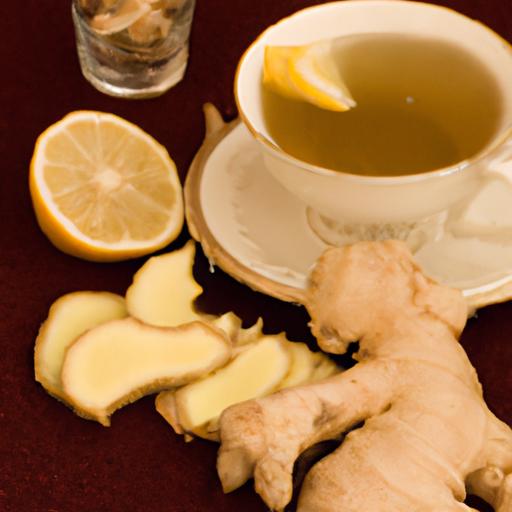

There’s something magical about the humble ginger root-its warm, spicy aroma and invigorating bite have been cherished for centuries across cultures. when brewed into a steaming cup of ginger tea, this unassuming rhizome transforms into a zesty elixir packed with powerful health and wellness benefits. From soothing an upset stomach to boosting immunity and easing inflammation,ginger tea is more than just a comforting drink; it’s a natural powerhouse that invites you to sip your way to vitality. In this article, we’ll unravel the vibrant story behind ginger tea, exploring its rich history, unique flavors, and the science-backed reasons why it deserves a place in your daily ritual.
Ginger tea carries a rich tapestry of history and tradition that has inspired countless cultures across the globe with its warming zest and remarkable wellness benefits. This fragrant brew,deeply rooted in ancient Eastern medicine,has journeyed through centuries-invigorating senses,soothing ailments,and fueling vibrant health wherever it goes. As you prepare this delightful cup, you’re not only unlocking nature’s powerful health compounds but also connecting with a timeless ritual that celebrates both flavor and vitality.
Prep and Cook time
- Planning: 5 minutes
- Cooking: 10 minutes
- Total Time: 15 minutes
Yield
Serves 2 generous cups
difficulty Level
Easy
Ingredients
- 2 cups fresh water
- 2 tablespoons fresh ginger root, peeled and thinly sliced
- 1 tablespoon raw honey (optional, adjust to taste)
- 1 tablespoon freshly squeezed lemon juice
- 1 cinnamon stick (optional for extra warmth)
- A pinch of freshly ground black pepper (enhances absorption of ginger’s benefits)
Instructions
- Bring the water to a gentle boil in a small saucepan over medium heat.
- Add the sliced fresh ginger and the cinnamon stick to the boiling water.
- Reduce heat to a simmer and let it steep for 8-10 minutes. This slow infusion draws out the essential oils and medicinal compounds.
- Remove from heat and strain the tea into your favorite cup to remove ginger pieces and the cinnamon stick.
- Stir in honey and lemon juice while the tea is warm, not boiling hot, to preserve the honey’s natural enzymes and vibrant lemon flavor.
- Add a pinch of black pepper and stir to unlock deeper health benefits and a subtle peppery kick.
Tips for Success
- Adjust Ginger Intensity: For a spicier brew, use more ginger or steep longer. For a milder taste,reduce the ginger slices and steep time.
- Fresh is Best: Use fresh ginger root-not powdered-to maximize the tea’s bright aroma and potent compounds.
- Make Ahead: Brew a larger batch and store chilled in the fridge for up to 3 days. Reheat gently with a splash of lemon and honey before serving.
- customize Your Brew: Experiment by adding turmeric or a few mint leaves during steeping for extra layers of flavor and health-boosting qualities.
- Sweetener Alternatives: Substitute honey with maple syrup or agave nectar to suit dietary preferences.
Serving Suggestions
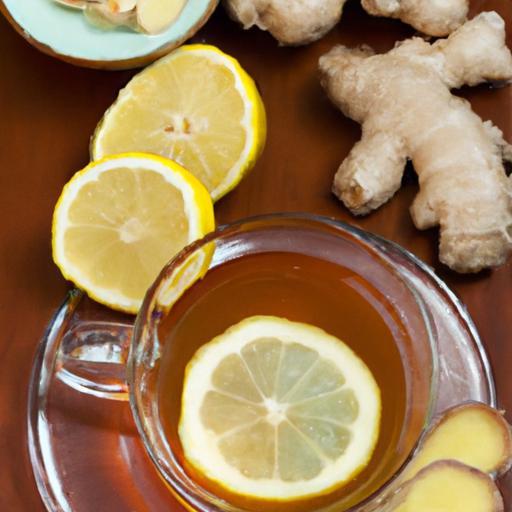
Pour your freshly brewed ginger tea into a beautifully crafted ceramic cup or glass mug to elevate the experience. Garnish with a thin slice of lemon on the rim or a sprig of fresh mint for visual appeal and an added hit of refreshing aroma. This tea pairs wonderfully with light snacks such as almond biscotti, spiced nuts, or a slice of toasted wholegrain bread with butter. Sip slowly to enjoy the soothing warmth while capitalizing on its invigorating qualities during chilly mornings, post-workout recovery, or as a calming evening ritual.
| Nutrient | Per Serving |
|---|---|
| Calories | 40 kcal |
| Protein | 0.2 g |
| carbohydrates | 10 g |
| Fat | 0 g |

For deeper insight into the incredible advantages of ginger, explore this research article from the National Library of Medicine. Also, if you enjoyed this recipe and want to delve into other herbal infusions, check out our comprehensive guide on herbal teas for an aromatic journey of wellness and flavor.
Q&A
Q&A: Ginger Tea – A Zesty Brew for Health and Wellness Benefits
Q1: What makes ginger tea so special compared to other herbal teas?
A1: Ginger tea is like nature’s little firecracker-bursting with a spicy zest that awakens your senses while delivering a powerhouse of health benefits.Unlike many herbal teas that soothe gently,ginger tea warms from within,promoting circulation,easing digestion,and packing anti-inflammatory punch all in one aromatic brew.
Q2: How is ginger tea traditionally prepared?
A2: Customary ginger tea is a simple yet magical infusion-fresh ginger root is sliced or grated and boiled in water to release its pungent, warming oils. Often enhanced with a splash of honey, a squeeze of lemon, or a sprinkle of cinnamon, it’s both comforting and refreshing, with a harmonious balance of spice and sweetness.
Q3: What are the key health benefits of drinking ginger tea regularly?
A3: Drinking ginger tea is like giving your body a natural health boost. It helps soothe nausea, reduce muscle pain, combat inflammation, improve digestion, and even support immune function. Plus, its antioxidants can help fend off oxidative stress, making it a cozy ally for everyday wellness.
Q4: Can ginger tea help with digestive issues?
A4: Absolutely! Ginger tea acts like a gentle repair crew in your gut, stimulating the production of digestive juices and calming upset stomachs. It helps relieve bloating, indigestion, and nausea by accelerating the movement of food through your digestive tract-perfect after a rich meal or during travel sickness.Q5: Is ginger tea beneficial for cold and flu symptoms?
A5: Yes! Thanks to its warming properties and natural anti-inflammatory compounds, ginger tea can ease sore throats, reduce congestion, and help you sweat out toxins. It’s a comforting companion that not only soothes symptoms but also bolsters your immune defenses.
Q6: who should be cautious about drinking ginger tea?
A6: While ginger tea is generally safe,pregnant women,peopel with gallstones,or those on blood-thinning medications should consult their healthcare provider before incorporating large amounts into their diet,as ginger can interact with certain conditions and medications.
Q7: How often can one drink ginger tea to reap its benefits?
A7: Moderation is key! sipping a cup or two daily is a flavorful way to enjoy ginger’s perks without overwhelming your system. Listening to your body and adjusting intake according to your tolerance will ensure you benefit from ginger tea’s magic without any hiccups.
Q8: Can ginger tea be consumed cold or iced?
A8: Definitely! ginger tea can be enjoyed hot or iced, making it a versatile beverage year-round.Iced ginger tea offers a zesty, refreshing twist that invigorates your palate while delivering all the healthful goodness.
Q9: any creative twists to try with ginger tea?
A9: Spice up your ginger tea adventure by adding coconut milk for a creamy chai feel,muddling in fresh mint or basil for herbal complexity,or blending it with turmeric and black pepper for an anti-inflammatory powerhouse. The possibilities are as vibrant as the tea itself!
Q10: Where can I find fresh ginger for making the best ginger tea?
A10: Fresh ginger is readily available at most grocery stores, farmers’ markets, or even your garden! Look for firm, plump roots with smooth skin-these are the freshest and most flavorful, perfect for a zesty, healthful brew.
sip thoughtfully, breathe deeply, and let the zesty warmth of ginger tea enliven both your body and spirit!
Concluding Remarks
As the warm, invigorating aroma of ginger tea lingers on your senses, it’s clear that this zesty brew is more than just a comforting companion-it’s a powerhouse of health and wellness. From soothing digestive woes to boosting immunity and igniting your metabolism, ginger tea elegantly bridges the gap between ancient tradition and modern-day vitality. Whether sipped slowly on a chilly morning or enjoyed as a revitalizing afternoon pick-me-up, this humble infusion invites you to embrace a natural, flavorful path to well-being. So next time you reach for a cup, remember: you’re not just drinking tea-you’re toasting to a healthier, zest-filled you.