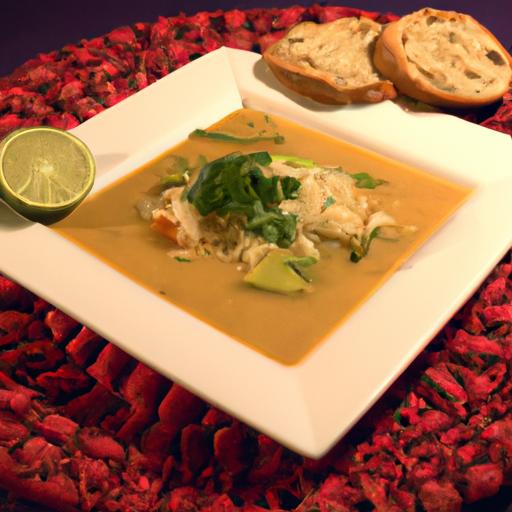

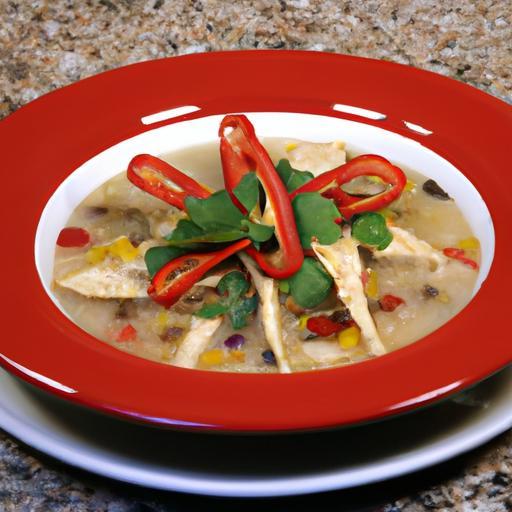
Beneath the vibrant tapestry of Mexican cuisine lies a world of soul-warming soups that tell stories of tradition, heritage, and bold flavors. From the smoky depths of pozole to the zesty brightness of caldo de camarón, Mexican soups are more than just dishes-they are sensory journeys steeped in history and culture. In this deep dive, we’ll explore the rich ingredients, regional twists, and cultural significance that make Mexican soups a beloved comfort food across the country and beyond.Get ready to savor each spoonful as we uncover the vibrant palette that defines these aromatic, flavorful masterpieces.
Savor the flavors of authentic Mexican soups by delving into the rich traditions that have shaped these heartwarming dishes for centuries. Rooted deeply in indigenous ingredients and influenced by Spanish colonial history, Mexican soups are much more than a comforting meal-they are an homage to the country’s vibrant culture and diverse regions. From the hearty, slow-simmered pozole in Jalisco to the spicy, tomato-infused caldo de camarón from Baja California, each bowl tells a story, inviting you to experience the warmth of Mexico through every sip.
Prep and cook Time
- preparation: 20 minutes
- Cooking: 1 hour 15 minutes
- Total Time: 1 hour 35 minutes
Yield
- Serves 6 generous portions
Difficulty Level
- Medium – requires basic chopping and simmering skills, perfect for enthusiastic home cooks
Key Ingredients That Bring Mexican Soups to Life
The soul of Mexican soups lies in the marriage of fresh, bold ingredients layered to build complexity. Staples like hominy, ancho and guajillo chiles, fresh corn, and Mexican oregano create that distinctive earthy and vibrant foundation. The addition of hearty proteins such as pork, chicken, or seafood varies by region, while brighteners like lime, cilantro, and radishes add fresh contrast. Understanding these ingredients is key to mastering traditional Mexican soups.
- 2 lbs pork shoulder,cut into chunks
- 1 cup dried hominy,rinsed and soaked overnight
- 3 dried ancho chiles,stemmed and seeded
- 2 dried guajillo chiles,stemmed and seeded
- 1 large white onion,quartered
- 4 cloves garlic
- 1 tsp dried Mexican oregano
- 1 tsp ground cumin
- Salt and freshly ground black pepper,to taste
- 6 cups chicken broth
- Fresh lime wedges,for garnish
- Chopped fresh cilantro,for garnish
- Sliced radishes,for garnish
- Avocado slices (optional)
Step-by-Step Instructions
- Prepare the chiles: Place the ancho and guajillo chiles in a bowl and cover with hot water. Let them soak for 20 minutes until softened.
- Make the chile sauce: Drain the softened chiles and transfer to a blender along with 1 cup of soaking water, 2 garlic cloves, and a pinch of salt. Blend until smooth. Strain the sauce through a sieve to remove any chunks or seeds.
- Sear the pork: Heat a large heavy pot over medium-high heat. Add the pork chunks and sear on all sides until golden brown, about 6 minutes. Remove and set aside.
- Sauté aromatics: In the same pot, add the remaining garlic and onions. Cook until softened and fragrant,about 5 minutes,stirring occasionally to prevent burning.
- Combine and simmer: Return the pork to the pot, add the chile sauce, hominy, oregano, cumin, and chicken broth. Bring to a boil over high heat, then reduce to low and cover.
- Cook low and slow: Let the soup simmer gently for 1 to 1½ hours,or until pork is tender and hominy has plumped fully.
- Season and adjust: taste and adjust salt and pepper as needed. If desired,add more broth or water for preferred consistency.
- Serve: Ladle the soup into bowls. Garnish with fresh lime wedges, cilantro, radish slices, and avocado if using.
Tips for Success
- Substitutions: For a quicker version, canned hominy can replace dried, but soaking and slow-cooking bring out the best texture and flavor.
- Chiles: adjust the amount of dried chiles depending on your spice tolerance.
- Make-ahead: This soup tastes even better the next day,making it an ideal meal prep option.
- Clear broth: Skim the surface while simmering to keep the broth clear and vibrant.
- Vegetarian twist: Swap pork for roasted mushrooms and vegetable broth with chipotle chiles for a smoky, meatless option.
Regional variations and Signature Recipes to Try
Exploring Mexican soups means embracing regional identities. In the Yucatán Peninsula, sopa de Lima shines with its zesty lime and crisp tortilla strips. Oaxaca’s caldo de Piedra is unique, cooked with hot stones and fresh river fish. Northern states boast the vibrant Menudo, famed for its bold chili-laden broth and tripe. Trying these regional staples broadens your culinary journey and highlights how local ingredients shape traditions.
Pairing Mexican Soups with Perfect Sides and Beverages
Elevate your Mexican soup experience by pairing it with traditional accompaniments. A basket of warm, house-made corn tortillas or crispy tostadas complements the rich broth perfectly. Fresh Mexican street corn (elote) is an indulgent side packed with smoky, tangy flavors. For drinks, a refreshing agua fresca-like hibiscus or tamarind-or a crisp tequila cocktail sipped slowly balances the spices and deep flavors beautifully.
Nutritional Details (per serving)
| Calories | Protein | Carbs | Fat |
|---|---|---|---|
| 350 kcal | 28 g | 30 g | 12 g |

Discovering the stories behind Mexican soups transforms cooking into an immersive cultural celebration. With vivid, layered flavors and thoughtful pairings, every step invites you to savor the flavors of Mexico’s rich heritage and share it with loved ones.
For more inspired Mexican recipes, check out our detailed guide on Mexican Street Food Delights.
Q&A
Q&A: Savor the Flavors – A Deep Dive into Mexican Soups
Q1: What makes Mexican soups unique compared to other cuisines?
A1: Mexican soups are a vibrant tapestry of bold flavors, fresh ingredients, and centuries-old traditions. Unlike many soups that rely heavily on cream or broth alone, Mexican soups often blend rich broths with roasted chiles, fragrant herbs, and local staples like corn, beans, and meats. The interplay of smoky, tangy, spicy, and earthy notes creates a comforting yet exciting culinary experience that truly reflects Mexico’s diverse regions.
Q2: Which Mexican soups should every food lover try at least once?
A2: There’s a delightful variety, but some iconic soups to savor include:
- Pozole: A hearty hominy soup typically made with pork or chicken, simmered with chiles and garnished with cabbage, radishes, lime, and oregano.
- Menudo: Known for its deep, rich flavor, menudo features beef tripe stewed in a red chili broth, often enjoyed as a revitalizing breakfast.
- Sopa de Tortilla (tortilla Soup): A flavorful tomato and chile broth laden with fried tortilla strips, avocado, cheese, and fresh crema.
- Caldo de Res: A comforting beef and vegetable soup, rich with bone marrow and fresh garden flavors.
Q3: How do regional differences influence the ingredients and preparation of Mexican soups?
A3: Mexico’s vast geography-from coastal areas to mountainous regions-shapes its soups profoundly. Coastal soups might lean heavily on seafood and fresh herbs, while northern regions favor robust, beef-based broths. The Yucatán Peninsula offers soups infused with achiote and citrus,lending a distinctive tang and color. Indigenous staples like corn, squash, and chile evolve uniquely across these landscapes, manifesting in diverse textures and tastes.
Q4: Can Mexican soups be adapted for different dietary preferences?
A4: Absolutely! Many traditional recipes are naturally gluten-free and can be adapted for vegetarian or vegan diets by swapping meats for mushrooms, legumes, or hearty vegetables. Using vegetable broth and oven-roasted chiles preserves authentic flavors without animal products. Mexican cuisine’s reliance on fresh herbs, spices, and staples like beans makes it a great canvas for creative, health-conscious adaptations.
Q5: What cultural significance do soups hold in Mexican daily life and celebrations?
A5: Soups in Mexico transcend nourishment-they are vessels of heritage, community, and celebration. Often served as the first course in family gatherings, they bring warmth and are symbols of hospitality. Menudo, for example, is traditionally enjoyed on special occasions or as a remedy after festivities. During holidays like Día de los Muertos, special soups like Caldo de pollo are used to honor ancestors, intertwining food with memory and ritual.
Q6: How can a home cook master the art of mexican soups?
A6: Start with fresh, high-quality ingredients-chiles, herbs, and traditional staples like hominy or corn. Embrace the layering of flavors by roasting chiles and toasting spices before blending. Patience is key; many Mexican soups benefit from slow, gentle simmering to develop depth.Most importantly,don’t shy away from garnishes-they add texture,color,and bursts of flavor that elevate the soup from humble to legendary.
Q7: Why is garnishing so crucial in Mexican soup culture?
A7: Garnishes are more than just decoration-they’re the final melody in a symphony of flavors. Crisp tortilla strips, creamy avocado slices, tangy lime wedges, fresh cilantro, and crumbly cheese add contrasting textures and brightness that awaken the palate. This finish not only enhances presentation but invites everyone to personalize their bowl, embodying the convivial spirit of Mexican dining.
Embark on your culinary journey with a warm bowl in hand, and let every spoonful tell a story steeped in the rich flavors of Mexico’s soul.
The Conclusion
As the final spoonfuls of these vibrant Mexican soups warm your palate, it becomes clear that each bowl is more than just a meal-it’s a story steeped in history, culture, and community. From the smoky depths of a hearty pozole to the refreshing zest of a chilled sopa de lima, these soups invite you to savor not only their flavors but the rich traditions they carry. So next time you seek comfort or culinary adventure, let a Mexican soup be your guide-where every sip transports you to the heart of a spirited, tasty heritage waiting to be discovered.