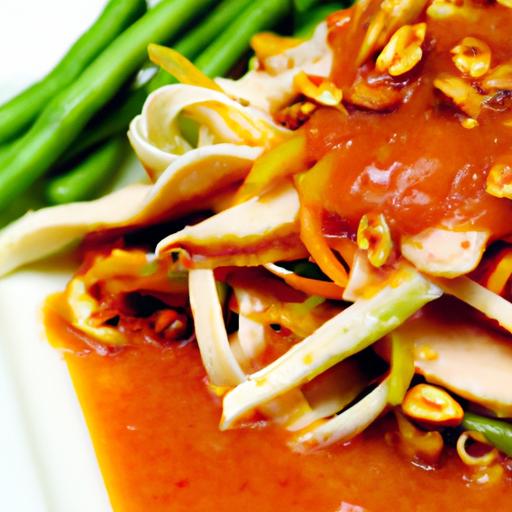

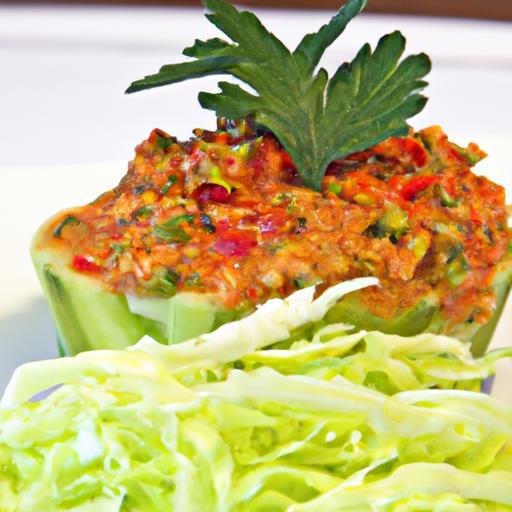
In the vibrant tapestry of global cuisine, few sauces captivate the palate quite like Thai peanut sauce. Bursting with a harmonious blend of sweet, savory, tangy, and spicy notes, this velvety condiment transforms simple dishes into unforgettable flavor experiences. But what is the secret behind its addictive allure? Beyond its creamy texture lies a delicate balance of ingredients and culinary traditions that unlock layers of taste with every bite. Join us as we unravel the magic of Thai peanut sauce-exploring its origins,key components,and the culinary science that makes it a timeless treasure in kitchens worldwide.
Unlocking flavor in Thai peanut sauce begins with understanding its vibrant core ingredients, wich harmoniously blend to create the iconic balance of sweet, spicy, and savory notes that define this beloved condiment. Originating from Thailand’s rich culinary heritage, this sauce is much more than just a dip-it’s an invitation to explore a symphony of tastes and textures that awaken the palate with every spoonful.
Prep and Cook Time
Prep Time: 10 minutes
Cook Time: 5 minutes
Total Time: 15 minutes
Yield
Approximately 1 cup, serving 4 to 6 people as a dipping sauce or drizzle
difficulty Level
Easy – Perfect for home cooks and seasoned chefs alike
Ingredients
- ½ cup creamy peanut butter (natural, unsweetened for depth of flavor)
- ¼ cup coconut milk (full-fat for a luscious, creamy texture)
- 2 tablespoons soy sauce (or tamari for gluten-free option)
- 1 tablespoon brown sugar (for a subtle caramel richness)
- 1 tablespoon freshly grated ginger (adds brightness and warmth)
- 1-2 teaspoons sriracha or chili garlic sauce (adjust to taste for the perfect spicy kick)
- 1 tablespoon fresh lime juice (balances sweetness with refreshing acidity)
- 1 clove garlic, minced
- 2 tablespoons warm water (to thin sauce and adjust consistency)
- Optional: 1 teaspoon toasted sesame oil for a smoky undertone
Instructions
- Combine the peanut butter and coconut milk in a medium bowl. Whisk vigorously until smooth and creamy, ensuring no lumps remain.
- Add soy sauce, brown sugar, and lime juice to the peanut mixture.Stir thoroughly to dissolve sugar, creating a harmonious sweet and savory base.
- Mix in the grated ginger, minced garlic, and sriracha. Start with 1 teaspoon of chili sauce,then taste and add more if you prefer extra heat.
- Slowly whisk in warm water one tablespoon at a time until you achieve your desired consistency-creamy yet pourable.
- Optional step: incorporate toasted sesame oil for a delicate smoky depth that elevates the sauce’s complexity.
- Let the sauce rest for 5 minutes at room temperature.This allows the flavors to meld beautifully, intensifying the sauce’s character.
- Give a final stir before serving. Adjust seasoning with extra lime juice or soy sauce if needed to perfect the balance.
Chef’s Notes
- Ingredient Swaps: For a vegan twist, use maple syrup rather of brown sugar. You can replace soy sauce with coconut aminos for a lower-sodium option.
- Consistency Tips: If your sauce is too thick, gradually add warm water or coconut milk; if too thin, whisk in a bit more peanut butter.
- Make-Ahead Magic: Prepare the sauce up to 3 days in advance. Store in an airtight container in the refrigerator and bring to room temperature before use.
- Spice Level: For milder flavors, omit the sriracha and replace it with a pinch of smoked paprika or sweet chili.
- Toasted Peanuts: Garnish your finished dishes with crushed toasted peanuts to introduce a delightful crunch layering the creamy sauce.
Serving Suggestions
This Thai peanut sauce is a versatile powerhouse. Drizzle it over crisp vegetable spring rolls, grilled chicken satay, or roasted tofu bowls for an instant flavor upgrade. Use it as a vibrant noodle dressing for cold soba or rice noodles, or simply serve as a rich dipping sauce alongside fresh cucumber sticks and carrot ribbons.Garnish with freshly chopped cilantro, sliced green onions, and a wedge of lime for a radiant, polished presentation.

| Nutrient | Per 2 tbsp Serving |
|---|---|
| Calories | 90 kcal |
| Protein | 3 g |
| Carbohydrates | 5 g |
| Fat | 7 g |
Unlock the full potential of your meals by experimenting with this delicious Thai peanut sauce recipe. For deeper dives into authentic Thai flavors, check out our authentic Thai Curry Paste Recipe. To explore the health benefits of peanuts and their role in cuisine, visit medical news Today.
Q&A
Q&A: Unlocking Flavor – The magic of Thai Peanut Sauce Explained
Q: What makes Thai peanut sauce so uniquely delicious?
A: Thai peanut sauce is a harmonious blend of creamy, savory, sweet, and tangy flavors. At its core, it combines roasted peanuts with coconut milk, tamarind, garlic, and a hint of chili-each ingredient playing a vital role in creating its signature balance. This interplay of textures and tastes is what gives the sauce its irresistible charm.
Q: How did Thai peanut sauce become a staple in Thai cuisine?
A: Originating from the regions where peanuts and coconut thrived, Thai peanut sauce evolved as a versatile condiment. It was traditionally used to enhance grilled meats and fresh vegetables, embodying the Thai culinary beliefs of layering bold, contrasting flavors in every dish.Q: Can the flavors of peanut sauce vary across different Thai dishes?
A: Absolutely! While the base ingredients stay consistent,the sauce’s brightness or heat can shift depending on the accompanying dish. For example, satay peanut sauce tends to be richer and sweeter, complementing grilled meats, while noodle dressings might emphasize tang and spice for a lighter, zestier kick.
Q: What’s the secret behind the sauce’s creamy texture?
A: The creaminess comes from roasted peanuts that are either ground into a smooth paste or blended with coconut milk. The roasting intensifies the nuts’ natural oils, creating a luscious, velvety base that coats the palate lovingly.
Q: How can home cooks capture the authentic taste of Thai peanut sauce?
A: Start with quality ingredients: fresh roasted peanuts, pure coconut milk, tamarind paste, and fresh garlic.Balancing these with palm sugar and fish sauce is key. Don’t be afraid to taste and tweak-Thai cooking thrives on that personalized harmony between salty, sweet, sour, and spicy.
Q: Is Thai peanut sauce only for savory dishes?
A: While it shines best with satays, noodles, and salads, Thai peanut sauce’s sweet and nutty notes can also add a delightful twist to desserts like fried bananas or as a dip for fresh tropical fruits. Its versatility truly unlocks endless culinary adventures.
Q: How does Thai peanut sauce differ from other peanut sauces around the world?
A: Unlike some Western peanut sauces that lean heavily on sweetness or thickness, Thai peanut sauce emphasizes a dynamic flavor spectrum-balancing creamy nuts with bright tamarind acidity, punchy garlic, and just enough chili heat to awaken the senses without overwhelming them.Q: What role does spice play in Thai peanut sauce?
A: Spice is the magical spark that enlivens the sauce. It’s usually subtle but purposeful-frequently enough from fresh chilies or chili paste-giving the sauce depth and excitement, ensuring each bite is memorable and vibrant.
Q: Can Thai peanut sauce be made vegan?
A: Absolutely! Simply replace fish sauce with tamari or soy sauce and ensure sweeteners are plant-based. The core flavors remain intact, making the sauce just as enchanting for vegan and vegetarian palates.
Q: Why should every foodie discover the magic of Thai peanut sauce?
A: Because it’s more than just a sauce-it’s a celebration of Thai culture and cooking philosophy. Unlocking its flavor means opening a door to the rich stories, traditions, and taste adventures embedded in every spoonful. Once you experience it, your culinary world will never be quite the same.
Closing Remarks
As we’ve uncovered, the magic of Thai peanut sauce lies in its harmonious blend of bold, sweet, salty, and tangy notes-each ingredient playing a vital role in crafting that unforgettable flavor. From crunchy peanuts transformed into a creamy base, to the subtle heat of chili and the brightness of lime, this sauce is more than a condiment; it’s a sensory journey into Thai culinary artistry. Whether drizzled over grilled skewers, mixed into noodles, or used as a dip, unlocking the secrets of thai peanut sauce opens a gateway to vibrant tastes and endless possibilities in your kitchen. So next time you crave a burst of exotic flavor, remember: a little peanut sauce can go a long way in turning simple dishes into extraordinary experiences.