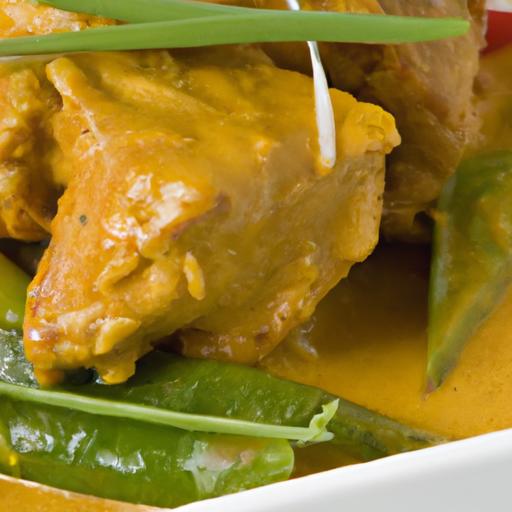

From the sizzling streets of Mumbai to the cozy kitchens of the Caribbean, curry chicken has woven itself into the culinary fabric of cultures around the world. This beloved dish, rich in spices and steeped in history, offers more than just a meal-it tells a story of migration, adaptation, and tradition. Join us as we embark on a flavorful journey through time and taste, exploring how curry chicken has evolved from ancient spice routes to modern-day tables, delighting palates and preserving heritage with every savory bite.
the Flavorful journey of Curry Chicken begins in the vibrant kitchens of cultural crossroads, where aromatic spices meet tender, succulent chicken in a symphony that transcends borders. This dish symbolizes a rich history of trade, migration, and culinary creativity, evolving uniquely in regions from the Indian subcontinent to the Caribbean and beyond. Whether it’s the fragrant warmth of Garam Masala or the bright zing of Scotch bonnet peppers, each version tells a story of heritage, family traditions, and the joyful celebration of bold flavors.
Prep and Cook Time
- Preparation: 20 minutes
- Cooking: 45 minutes
- Total Time: 1 hour 5 minutes
Yield
Serves 4 generous portions
Difficulty Level
Medium – perfect for home cooks eager to master nuanced spice blends and layering flavors
Ingredients
- 2 lbs bone-in chicken thighs, skin removed and cut into pieces
- 2 tbsp vegetable oil
- 1 large onion, finely chopped
- 4 cloves garlic, minced
- 1 tbsp freshly grated ginger
- 2 tbsp curry powder (blend of turmeric, coriander, cumin, fenugreek)
- 1 tsp ground turmeric
- 1 tsp ground cumin
- 1 tsp smoked paprika
- 1 Scotch bonnet pepper (optional, finely chopped)
- 1 can (14 oz) diced tomatoes
- 1 cup coconut milk
- 1 cup chicken broth
- Salt and freshly ground black pepper, to taste
- 2 sprigs fresh thyme or 1 tsp dried thyme
- 1 tbsp fresh lime juice
- Fresh cilantro, chopped, for garnish
Instructions
- Prepare your spices: In a small bowl, mix curry powder, turmeric, cumin, and smoked paprika. This blend will give your chicken that rich, complex flavor signature to the dish.
- Heat the oil in a large, heavy-bottomed pot over medium heat. Add the chopped onions and sauté until translucent and slightly caramelized, about 7 minutes – this step builds a deep flavor base.
- Add garlic, ginger, and Scotch bonnet pepper (if using) and cook for another 2 minutes, stirring frequently to release their aroma without burning.
- Sprinkle in the spice blend and toast the mixture for about 1 minute, stirring constantly to prevent scorching – this activates the spices’ essential oils for an intense fragrance.
- Add the chicken pieces, coating them in the spices and sautéing until lightly browned on all sides, about 5-6 minutes.
- Pour in the diced tomatoes, coconut milk, and chicken broth, then stir in thyme and season with salt and pepper. Bring to a simmer, reduce heat to low, and cover partially with a lid.
- Let the curry gently bubble for 35-40 minutes, stirring occasionally, until the chicken is cooked through and tender, and the sauce thickens beautifully.
- Finish with a splash of lime juice to brighten the flavors, then adjust salt and pepper as needed.
- Garnish with fresh cilantro and serve hot with steamed basmati rice or warm flatbreads to soak up every flavorful drop.
Tips for success
- Spice freshness matters: Use freshly ground spices for the deepest flavor and grind whole spices if possible.
- Balancing heat: Adjust the Scotch bonnet pepper quantity or substitute with milder peppers to suit your heat tolerance.
- Make it ahead: Curry flavors deepen overnight, so prepare this dish a day in advance and gently reheat before serving.
- Thickness preference: For a richer curry, simmer uncovered the last 10 minutes to reduce the sauce further.
- Alternative proteins: Swap chicken for lamb or tofu for a delightful twist while preserving the curry’s soul.
Serving Suggestions
Present your curry chicken garnished with bright green cilantro sprigs and finely sliced red chilies for a pop of color. Accompany with fluffy basmati rice or buttery naan bread to complement the creamy coconut base. For added texture, a side of pickled vegetables or a fresh cucumber salad can refresh the palate.

| Nutrient | Per Serving |
|---|---|
| calories | 430 kcal |
| Protein | 38 g |
| Carbohydrates | 10 g |
| Fat | 25 g |
for enthusiasts eager to dive deeper into regional spice blends and culinary histories, explore our detailed guide on regional curry spice variations. To understand the health benefits and nutritional insights of spices, the National Institutes of Health offers a great resource.
Q&A
Q&A: The Flavorful Journey of Curry Chicken – A Tasty Tradition
Q1: What is the origin of curry chicken?
A: Curry chicken’s origins are as rich and layered as the dish itself. Rooted in the spice-rich kitchens of South Asia, particularly India, curry chicken traveled with traders and colonizers across continents. Each culture it touched adapted the recipe, creating unique blends that tell stories of migration, trade, and culinary creativity.
Q2: How did curry chicken become a global comfort food?
A: The spread of curry chicken mirrors the footsteps of countless travelers and settlers.As Indian laborers moved to the Caribbean, Africa, and the Americas, they carried their spices and cooking methods. over time, local ingredients and tastes intertwined with traditional curry techniques, transforming curry chicken into a beloved comfort food worldwide.
Q3: What makes curry chicken distinct from other chicken dishes?
A: it’s the marriage of spices-turmeric, cumin, coriander, and more-that paint curry chicken with vibrant colors and bold flavors. Unlike plain roasted or grilled chicken, curry chicken is simmered in a fragrant sauce that balances heat, earthiness, and sweetness, creating a sensory experience that’s both hearty and exotic.
Q4: Can curry chicken recipes vary substantially?
A: Absolutely! There’s no single “correct” recipe. From the coconut milk-infused curries of the Caribbean to the fiery tomato-based gravies of South India,curry chicken is a canvas for regional and personal expression. Each version reflects local produce, cultural preferences, and even the cook’s mood.
Q5: What are some common ingredients in curry chicken?
A: At its core, curry chicken features tender chicken, a blend of spices (often including curry powder or garam masala), onions, garlic, ginger, and a liquid base-be it coconut milk, yogurt, or broth. Vegetables like potatoes or carrots sometimes join the pot, absorbing the luscious sauce as the dish simmers.
Q6: Why does curry chicken hold such cultural significance?
A: Beyond its deliciousness, curry chicken represents cultural resilience and adaptation. For many communities, it’s a dish that connects generations, preserves identity, and celebrates the fusion of flavors resulting from migration and exchange, embodying a history steeped in both hardship and creativity.Q7: How can someone new to curry chicken start exploring it at home?
A: Begin with a simple recipe that balances spice and creaminess to suit your palate. Experiment with store-bought curry powders initially, then try blending your own spices as you become more cozy.Pair it with rice or bread, and remember-the joy is in exploring and making the flavors your own.
Q8: What’s the last word on the journey of curry chicken?
A: Curry chicken is more than a meal-it’s a flavorful journey across lands and cultures. Each bite invites you to savor the stories of hands that harvested spices, the ingenuity of cooks who adapted the dish, and the warmth that this timeless tradition continues to bring to tables worldwide.
In Retrospect
As the rich, aromatic spices of curry chicken continue to captivate taste buds across the globe, its flavorful journey reminds us that food is more than sustenance-it is a vibrant tapestry woven from history, culture, and tradition. Each bite tells a story, inviting us to explore the diverse influences and heartfelt craftsmanship behind this beloved dish. Whether enjoyed in a bustling street market or a cozy family kitchen, curry chicken remains a testament to the enduring power of flavor to connect people and celebrate heritage. As you savor its complex layers, may you appreciate not just the taste, but the flavorful legacy that continues to inspire palates worldwide.