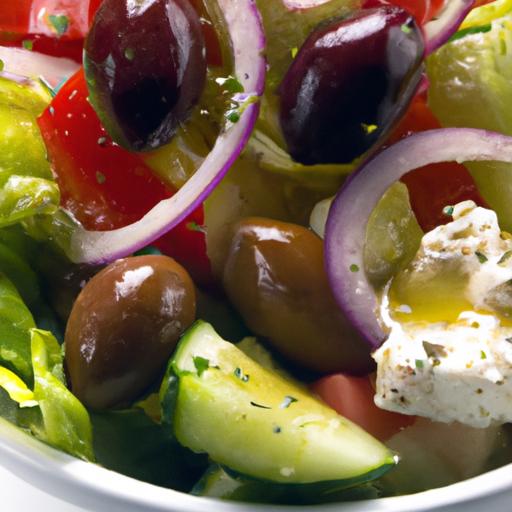

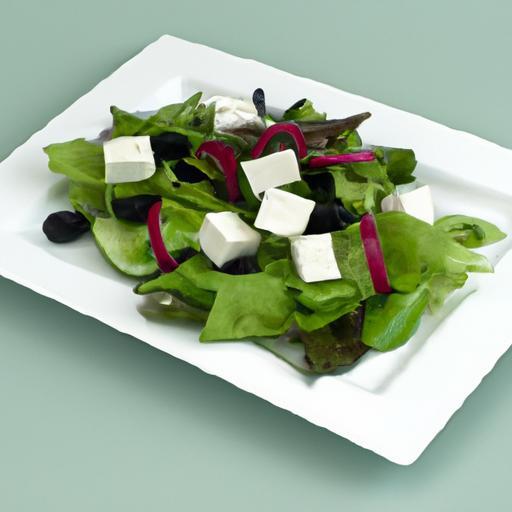
Step into the vibrant world of Greek cuisine, where every bite tells a story of sun-drenched islands, ancient traditions, and unparalleled flavors. At the heart of this culinary adventure lies the humble yet magnificent Greek salad dressing-a tasty elixir that brings crispy cucumbers, ripe tomatoes, briny olives, and creamy feta cheese together in perfect harmony. but what truly makes this dressing unforgettable? In this ultimate guide, we’ll unlock the secrets behind crafting the authentic Greek salad dressing, exploring its history, key ingredients, and insider tips that transform a simple salad into a Mediterranean masterpiece. Get ready to elevate your salad game and savor the essence of Greece in every drop!
Unlocking the secrets of the ultimate greek salad dressing unveils a flavorful journey steeped in Mediterranean tradition. This dressing, simple yet profound, balances luminous acidity with the rich, peppery essence of quality olive oil, creating an irresistible complement to the crisp vegetables and briny feta that define a classic Greek salad. From sun-kissed hillsides of Crete to your kitchen table, the harmony between olive oil and vinegar is where magic begins.
Prep and cook Time
- Readiness: 10 minutes
- cook Time: 0 minutes
- Total Time: 10 minutes
Yield
Approximately 8 servings (about 1 cup of dressing)
Difficulty Level
Easy – Perfect for both kitchen novices and seasoned home cooks alike
Ingredients
- 1/2 cup extra virgin olive oil – Choose a fruity,freshly pressed variety for authentic Mediterranean flavor
- 1/4 cup red wine vinegar – Adds that signature tang with a subtle sweetness
- 1 teaspoon dried oregano – Classic Greek herb that infuses warmth and earthiness
- 1 teaspoon Dijon mustard – Helps emulsify and lends subtle depth
- 1 garlic clove,finely minced – For a gentle pungency
- 1/2 teaspoon sea salt – Balances flavors
- 1/4 teaspoon freshly cracked black pepper – Adds mild heat and complexity
- Optional: 1 teaspoon fresh lemon juice – Brightens the overall taste when desired
Instructions
- Combine all ingredients: In a medium bowl or mason jar,pour in extra virgin olive oil and red wine vinegar.Add minced garlic, dried oregano, Dijon mustard, sea salt, and black pepper. If using, add fresh lemon juice.
- Whisk vigorously: Use a fork or small whisk to vigorously combine all ingredients until the mixture emulsifies, creating a silky and slightly thickened dressing. If using a jar, secure the lid tightly and shake vigorously for about 30 seconds.
- Taste and adjust: Taste your dressing and add salt or vinegar as needed to balance acidity and seasoning. Remember, authentic Greek dressing is bright but harmonious!
- Rest for flavor growth: Let the dressing sit at room temperature for at least 10 minutes before serving. This allows the garlic and oregano to infuse beautifully.
- Serve or store: Drizzle immediately over fresh Greek salad or store refrigerated in an airtight container for up to one week. Bring to room temperature before use and shake well.
Chef’s Notes & Tips for Success
- Choose the right olive oil: Use high-quality extra virgin olive oil with fruity and peppery notes. Avoid light or refined oils, as they lack the essential flavors for this dressing.
- oregano fresh vs dried: Dried oregano holds the classic Mediterranean character best and infuses over time. For a fresher twist, finely chop fresh oregano and add just before serving.
- Customizing acidity: Play with the vinegar-to-oil ratio depending on your preference. For tangier dressings, increase vinegar slightly; for a richer mouthfeel, add more olive oil.
- Garlic intensity: Mince garlic very finely to prevent sharp bursts. For a smoother garlic note, crush and let it sit in the oil for 5 minutes before mixing.
- Make ahead: Prepare dressing a day in advance. The flavors meld beautifully overnight, elevating every bite.
Serving Suggestions
Drizzle generously over a vibrant greek salad tossed with juicy heirloom tomatoes, crisp cucumbers, red onions, kalamata olives, and cubes of creamy feta cheese.Garnish with a sprig of fresh oregano or a dusting of cracked black pepper. For a brunch spread, this dressing doubles as an excellent dip for warm pita bread or a marinade for grilled vegetables and seafood, immersing everything in authentic Mediterranean bliss.
| Nutrient | Per Serving (1 tbsp) |
|---|---|
| Calories | 120 |
| Protein | 0g |
| Carbohydrates | 0.2g |
| Fat | 14g |

For more Mediterranean inspiration, explore our detailed Mediterranean Salad Recipes to complement your dressing mastery. To deepen your knowledge of extra virgin olive oil’s benefits and selection criteria, visit the International Olive Council.
Q&A
Q&A: Unlocking the Secrets – The Ultimate Greek Salad dressing Guide
Q1: What makes a Greek salad dressing truly authentic?
A1: Authentic Greek salad dressing is all about simplicity and high-quality ingredients. The magic lies in extra virgin olive oil, tangy red wine vinegar or fresh lemon juice, fragrant oregano, a hint of garlic, salt, and freshly cracked black pepper. Unlike creamy dressings, greek dressing is light, vibrant, and lets the natural flavors of the salad shine.
Q2: Can I customize the classic Greek salad dressing without losing its authentic taste?
A2: Absolutely! While sticking to the core ingredients is key, you can add your personal twist by incorporating a dash of Dijon mustard for subtle creaminess or a sprinkle of crushed red pepper flakes for heat. Just remember-balance is everything. Too much deviation can mask the dressing’s fresh,Mediterranean soul.
Q3: Why is olive oil so crucial in Greek salad dressing?
A3: Olive oil isn’t just a base; it’s the heart of the dressing. Greek extra virgin olive oil offers a fruity, slightly peppery flavor that rounds out the acidity of vinegar and lemon. It also adds a luscious texture and coats each salad ingredient,amplifying every bite’s flavor. Choosing a quality olive oil is your first step to salad nirvana.
Q4: How do I achieve the perfect balance between acidity and richness in the dressing?
A4: The secret is a harmonious ratio-typically about 3 parts olive oil to 1 part vinegar or lemon juice. This creates a silky dressing that’s bright but not overpowering. Whisk your dressing vigorously to blend the oil and acid, then taste and adjust gradually. Think of it as seasoning a melody where each note complements the other.
Q5: Is it better to prepare Greek salad dressing ahead of time or just before serving?
A5: Both options work, but prepping ahead allows flavors to meld beautifully. However,wait to toss the dressing with your salad until right before serving to keep the crispness of fresh veggies. If making in advance, store your dressing in a sealed jar in the fridge and bring it to room temperature before use for optimal flavor.
Q6: Can Greek salad dressing be used beyond salads?
A6: Definitely! This versatile dressing doubles as a marinade for grilled chicken or vegetables,a drizzle over roasted potatoes,or a dip for fresh pita bread. Its bright, tangy profile adds a Mediterranean twist to numerous dishes, proving that Greek dressing is truly a culinary multitasker.
Q7: What are common mistakes to avoid when making Greek salad dressing?
A7: Overloading on vinegar or lemon juice can make your dressing too acidic, while skimping on olive oil leaves it thin and sharp. Avoid using heavy, processed oils, which dull the vibrant flavors. Also,resist the urge to add sugar or overly sweeteners-the dressing’s charm comes from its fresh,natural ingredients.Q8: How can I make a vegan and gluten-free greek salad dressing?
A8: Grate news-conventional greek salad dressing is naturally vegan and gluten-free! Just stick to olive oil, vinegar or lemon, herbs, and seasonings. Always double-check your vinegar choice to ensure it contains no hidden gluten, and you’re good to go for a clean, healthful Mediterranean delight.
Unlocking the secrets of Greek salad dressing isn’t just about recipes-it’s about embracing a timeless culinary philosophy: simple, fresh, and full of life.Ready to taste the Mediterranean sun in every bite? Your ultimate dressing adventure starts here!
Concluding Remarks
As we close the chapter on our journey through the vibrant world of Greek salad dressings, it’s clear that unlocking these flavorful secrets can transform a simple salad into a Mediterranean masterpiece. whether you opt for a classic tangy vinaigrette or experiment with herbs and spices that echo the sun-drenched islands, the right dressing is more than just a finishing touch-it’s the heart of the dish. Armed with this ultimate guide, your next Greek salad will burst with authenticity and zest, inviting every bite to tell a story of tradition, freshness, and culinary passion. so go ahead, drizzle boldly, and let your taste buds sail away to the shores of Greece.