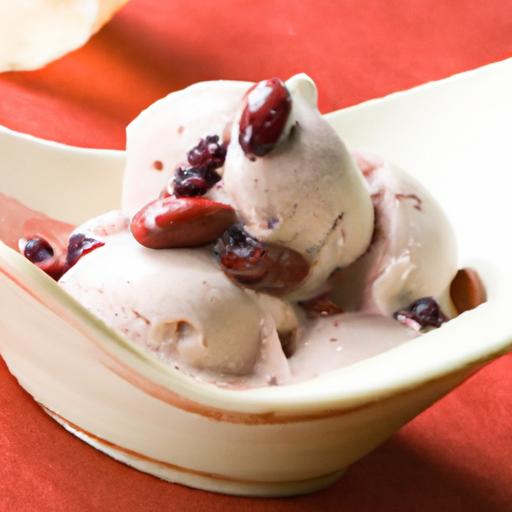

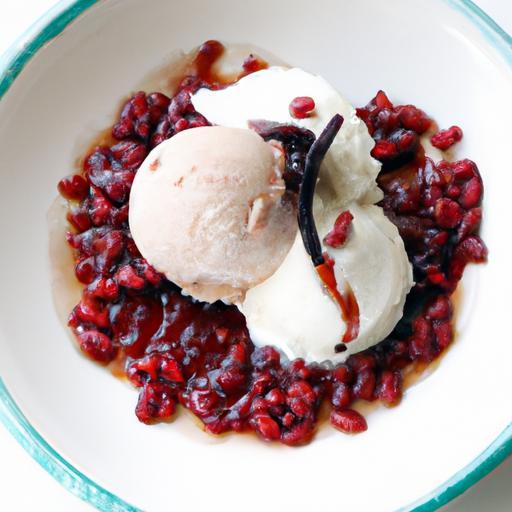
In the world of desserts, where creamy textures and vibrant flavors often steal the spotlight, one humble treat quietly captivates with its unique blend of sweetness and cultural heritage: red bean ice cream. Far from just another frozen delight, this enchanting flavor carries centuries of tradition, weaving together the earthy richness of red beans with the cool, creamy indulgence of ice cream. Join us as we embark on a journey to explore the charm of red bean ice cream-a sweet tradition that tells a story of history, innovation, and timeless taste.
Sweet Tradition: Exploring the Charm of Red Bean Ice Cream invites you on a sensory journey through a delicacy cherished across East Asia. This dessert marries the subtly earthy sweetness of red beans with the creamy indulgence of ice cream, resulting in a treat both nostalgic and refreshingly unique. Originating from traditional Asian cuisine, red bean ice cream carries a rich cultural narrative-one that combines history, adaptation, and enduring love for this versatile legume.
Prep and Cook Time
Preparation: 20 minutes | Cooking: 1 hour (including red bean simmering) | Freezing Time: 6 hours or overnight
Yield
serves 6 generous scoops
Difficulty Level
Medium – ideal for home cooks comfortable with simmering and ice cream churning
the Unique Flavor Profile That Captivates Taste Buds
Red bean ice cream delivers a sophisticated balance-its sweet, nutty red beans complement the rich, velvety texture of the ice cream base.The beans provide a subtle graininess that adds depth without overpowering, inviting repeated spoonfuls. Each bite is a dance of sweetness, creaminess, and earthy notes that keeps your palate intrigued.
Ingredients
- 1 cup dried adzuki beans, rinsed
- 4 cups water
- 1/2 cup granulated sugar (adjust to taste)
- 2 cups whole milk
- 1 cup heavy cream
- 3/4 cup sweetened red bean paste (anko) or homemade from cooked adzuki beans
- 4 large egg yolks
- 1/4 teaspoon salt
- 1 teaspoon vanilla extract
Instructions
- Soak and Cook the Adzuki Beans: Place the rinsed adzuki beans in a medium saucepan, add 4 cups water, and soak for 1 hour. Bring to a boil, reduce heat, and simmer gently until beans are tender, about 40 minutes.
- Sweeten the Beans: Drain most of the water, reserving 1/2 cup of bean cooking liquid. Mix the beans with sugar and reserved liquid, simmer for another 10 minutes until a thick syrup forms. mash beans lightly for texture. Set aside to cool.
- Prepare the Ice Cream Base: In a saucepan, warm milk and cream over medium heat until steaming (do not boil).
- Whisk Egg Yolks: In a bowl, whisk the egg yolks with salt. Slowly pour about 1 cup of the warm milk mixture into the yolks while whisking continuously to temper.
- Combine and Thicken: Pour tempered yolks back into the saucepan with remaining milk. Cook over low heat, stirring constantly until the custard thickens enough to coat the back of a spoon (about 5-7 minutes). Remove from heat and stir in vanilla extract.
- Integrate Red Bean Paste: Gently fold the cooled red bean mixture into the custard base. for a more textured ice cream, reserve a portion of whole beans to stir in at the end.
- Chill the Mixture: Let the ice cream base cool to room temperature, then chill in the refrigerator for at least 4 hours or overnight.
- Churn: Pour the chilled mixture into your ice cream maker and churn according to manufacturer’s instructions (usually 20-25 minutes). In the last 5 minutes, add reserved whole beans if desired.
- Freeze: Transfer churned ice cream to a lidded container and freeze for at least 2 hours for firm yet scoopable texture.
Chef’s Notes and Tips for Success
- using canned sweet red beans: For ease, substitute homemade bean paste with 3/4 cup canned sweetened red beans, drained, and pulse lightly in a food processor for ideal texture.
- Adjust sweetness: Tailor sugar amounts to preference-red beans’ natural mild sweetness allows you to go lighter than typical Western dessert standards.
- Vegan variation: Use coconut milk and coconut cream, and replace egg yolks with cornstarch slurry to create a creamy, plant-based red bean ice cream.
- Make-ahead tip: Prepare the red bean paste and custard base up to 2 days in advance to deepen flavors.
- Texture control: For smoother ice cream, blend the red bean mixture before folding into the custard. For rustic charm, keep bean pieces whole.
Serving Suggestions
Present your red bean ice cream scoops in delicate bowls or waffle cones. Garnish generously with toasted black sesame seeds, a drizzle of condensed milk, or crispy rice crackers for crunch. Pair with matcha green tea desserts for a harmonious flavor experience that resonates with traditional Asian palate favorites.

| Nutrient | Per Serving (1 scoop) |
|---|---|
| Calories | 190 kcal |
| Protein | 5 g |
| Carbohydrates | 28 g |
| Fat | 7 g |
For an immersive cultural experience, visit renowned Asian dessert shops like those featured by Time Out hong Kong, and explore regional variations of this beloved treat. Their mastery and dedication exemplify the allure and timeless appeal inherent to red bean ice cream.
Q&A
Q&A: Sweet Tradition – Exploring the Charm of Red Bean Ice Cream
Q: What is red bean ice cream,and where did it originate?
A: Red bean ice cream is a delightful frozen dessert that blends creamy sweetness with the earthy,nutty flavor of red beans,also known as azuki beans. Originating from East Asia, particularly Japan, China, and Korea, red bean ice cream reflects centuries-old culinary traditions that celebrate the humble legume in both sweet and savory forms.
Q: Why are red beans such a popular ingredient in East Asian desserts?
A: Red beans are prized not only for their subtly sweet, creamy texture when cooked but also for their nutritional benefits. Rich in protein, fiber, and antioxidants, thay complement the sugary elements of desserts with their mellow, natural sweetness. Their versatility and symbolic association with good fortune and happiness make red beans a beloved ingredient in various desserts.
Q: How is red bean ice cream traditionally made?
A: Traditionally, red beans are simmered slowly with sugar to create a smooth, sweet paste known as anko. This paste is then folded into a creamy ice cream base. The contrast between the velvety, cold cream and the slightly grainy sweetness of the beans creates a fascinating texture and flavor harmony that’s both comforting and refreshing.
Q: What makes red bean ice cream stand out from other ice cream flavors?
A: Unlike more universally familiar flavors such as chocolate or vanilla, red bean ice cream offers a unique balance of earthy, sweet, and creamy notes. Its subtlety invites curiosity and a gentle nostalgia for those familiar with East Asian dessert culture. It’s a flavor that bridges cultural gaps, inviting new fans to savor a tradition that’s both exotic and approachable.
Q: Are there modern twists on red bean ice cream that are gaining popularity?
A: Absolutely! Contemporary chefs and dessert artisans are experimenting by pairing red bean ice cream with matcha, mochi, or black sesame, weaving layers of texture and flavor. Fusion creations like red bean ice cream sandwiches and parfaits also bring this classic ingredient into fresh, playful contexts that appeal to adventurous palates.
Q: Where can someone experience authentic red bean ice cream outside of East Asia?
A: Thanks to globalization and the rising interest in East Asian cuisine, red bean ice cream can be found in Asian markets, specialty dessert shops, and even some mainstream ice cream parlors in major cities worldwide. Seeking out artisanal or traditional venues often guarantees a more authentic taste experience.
Q: How can one make red bean ice cream at home?
A: Making red bean ice cream at home begins with preparing a smooth anko paste by simmering azuki beans with sugar until tender. This paste is then blended into a custard or cream base before churning in an ice cream maker. For those without specialized equipment, layering sweetened red beans with whipped cream and freezing can offer a delightful homemade alternative.
Q: What cultural significance does red bean ice cream hold?
A: Beyond its delicious taste,red bean ice cream embodies a cultural narrative of simplicity,patience,and celebration. Red beans frequently appear in festivals and weddings symbolizing luck and prosperity. This dessert connects eaters with the age-old rituals and stories embedded in East Asian culinary heritage, making each spoonful a small act of cultural appreciation.
Q: Why is red bean ice cream gaining attention in the global dessert scene?
A: As global palates expand and seek novel flavors, red bean ice cream stands out as a sweet tradition ready to be rediscovered. Its natural sweetness,healthful qualities,and rich cultural background cater to both health-conscious and culturally curious consumers,solidifying its charm in the increasingly diverse world of desserts.
Dive into the world of red bean ice cream and experience a sweet tradition that’s as rich in flavor as it is indeed in history - a frozen gem inviting you to savor heritage with every bite.
In Retrospect
As we savor the lingering sweetness of red bean ice cream, it becomes clear that this humble treat is much more than just a dessert-it’s a delightful bridge between cultures, generations, and stories. Its creamy texture mixed with the earthy, subtly sweet beans invites us to pause and appreciate the artistry behind every scoop.Whether you’re a longtime fan or a curious newcomer, red bean ice cream offers a unique taste of tradition wrapped in every bite-a charming reminder that sometimes, the sweetest treasures come from the simplest ingredients.So next time you crave something cool and comforting, let red bean ice cream take you on a flavorful journey through history and heritage, one spoonful at a time.