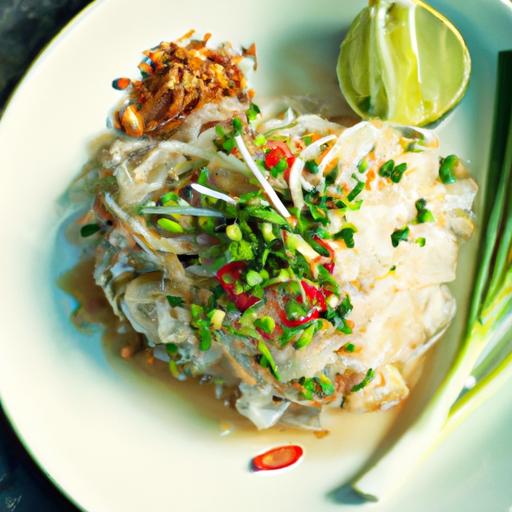

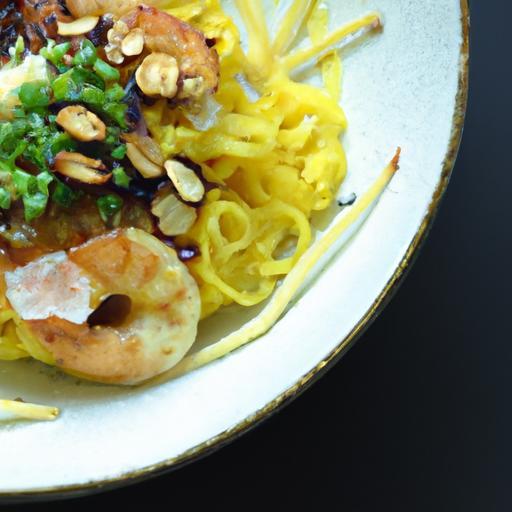
In the tapestry of global cuisine,few ingredients carry the quiet versatility and enduring charm of rice noodles. From bustling street markets in Southeast Asia too elegant plates in modern fusion restaurants, rice noodles weave a story as rich and varied as the cultures that cherish them. But beyond their delicate strands lies a captivating history, a world of diverse varieties, and an array of tantalizing uses waiting to be explored. Join us as we peel back the layers of this beloved staple in “Rice Noodles Unveiled: origins, Varieties, and Tasty Uses,” where tradition meets innovation in every bite.
rice noodles unveiled carry with them centuries of culinary heritage, their delicate strands weaving stories of ancient Asian kitchens from bustling street markets to serene family gatherings.Thes translucent, tender noodles have transcended borders and time, charming palates across regions with their subtle texture and remarkable adaptability.Weather in the fiery wok of ThailandS Pad Thai, the fragrant broth of Vietnam’s Pho, or the comforting stir-fries of China, rice noodles invite endless creativity. Today, we dive deep into their origins, varieties, and most importantly, how to transform them into vibrant, flavorful dishes that you can easily recreate at home.
Prep and Cook Time
Preparation: 15 minutes
Cooking: 10 minutes
Total Time: 25 minutes
Yield
Serves 4 generous portions
Difficulty level
Easy to Medium – Perfect for adventurous beginners and seasoned cooks alike
Ingredients
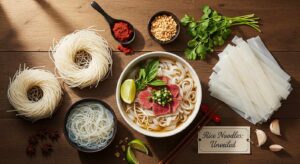
- 200g dried wide rice noodles (also called flat rice noodles or ho fun)
- 2 tablespoons vegetable oil (neutral-flavored, like canola or peanut oil)
- 3 cloves garlic, finely minced
- 1 small red chili, sliced thin (optional)
- 200g boneless chicken thighs, thinly sliced (can substitute with tofu for vegetarian)
- 100g bean sprouts, washed and drained
- 2 spring onions, chopped into 2-inch pieces
- 2 tablespoons soy sauce (low sodium recommended)
- 1 tablespoon oyster sauce (or vegetarian mushroom sauce)
- 1 teaspoon fish sauce (optional, adjust to taste)
- 1 teaspoon sugar (preferably palm sugar or light brown sugar)
- Fresh lime wedges, for serving
- Fresh cilantro and chopped roasted peanuts, for garnish
Instructions
- Prepare the rice noodles: Place dried rice noodles in a large bowl and cover with warm water. Let soak for 15 minutes or until pliable but still slightly firm. Drain and set aside. Tip: Avoid over-soaking to prevent mushy noodles.
- Heat the wok or large skillet: On medium-high heat, add 2 tablespoons vegetable oil. When shimmering, add minced garlic and sliced chili. Sauté until fragrant, approximately 30 seconds.
- Add chicken slices: Toss the chicken into the wok,stirring continuously. Cook until edges turn golden and chicken is cooked through, about 4-5 minutes.
- Incorporate the soaked noodles: Add rice noodles to the wok. Gently toss and stir to combine with chicken and garlic, making sure they don’t stick together.
- Season the dish: Mix in the soy sauce, oyster sauce, fish sauce (if using), and sugar. Toss everything rigorously but carefully to coat the noodles evenly. Tip: Use a spatula spatula or tongs to fold noodles rather than stir aggressively.
- Add bean sprouts and spring onions: Fold them in gently during the final minute of cooking to maintain their crunch and fresh vibrancy.
- Serve instantly: Plate the noodles and finish with fresh lime wedges, a sprinkle of chopped cilantro, and roasted peanuts for delightful texture contrast.
Chef’s Notes: Tips for Success
- For silky smooth rice noodles, always soak vs.boiling dried rice noodles, unless using fresh ones which cook faster.
- Protein variations: Swap chicken for shrimp, thin slices of beef, or tofu. Marinate proteins briefly in a splash of soy sauce and sesame oil for an enhanced umami hit.
- Noodle substitute caution: Avoid using wheat-based noodles if seeking authentic rice noodle texture and gluten-free options.
- Make-ahead: Soaked but uncooked noodles can be refrigerated up to 1 day. Stir-fry with fresh aromatics when ready.
- Sticking fix: If noodles stick during cooking, splash a teaspoon of water or oil to separate strands gently.
- Spice it up: incorporate fresh bird’s eye chilies or a drizzle of chili oil for heat lovers.
Serving Suggestions
present your rice noodle dish as the centerpiece, garnished with vibrant green cilantro leaves and crushed peanuts to add crunch and earthiness. Pair it with a simple Asian-inspired cucumber salad or dim sum style steamed dumplings for a well-rounded meal. Accompany with refreshing jasmine tea or a crisp white wine like Riesling to cut through the richness.

| nutrition per Serving | Amount |
|---|---|
| Calories | 350 kcal |
| Protein | 22 g |
| Carbohydrates | 45 g |
| Fat | 7 g |
To deepen your knowledge on rice noodles and explore creative Asian cuisine journeys, check our Asian Noodle Recipes collection. For a scholarly outlook on their origin and cultural significance, visit Encyclopaedia Britannica.
Q&A
Q&A: Rice Noodles Unveiled – Origins, Varieties, and tasty Uses
Q1: What exactly are rice noodles, and how did they come into existence?
A1: Rice noodles are thin strands or sheets made primarily from rice flour and water, sometimes enriched with tapioca or cornstarch for extra chewiness. their origin traces back thousands of years to ancient China,where rice cultivation led ingenious cooks to turn humble grains into delicate noodles. They soon wove their way across Asia, blossoming into diverse local specialties, each telling a unique culinary story.
Q2: How do rice noodles differ from wheat-based noodles?
A2: Unlike wheat noodles, rice noodles are naturally gluten-free, offering a lighter, more delicate texture that pairs beautifully with broths and stir-fries.While wheat noodles have a bouncier chew due to gluten, rice noodles tend to be smooth and silky, absorbing flavors with elegant subtlety rather than overpowering dishes.
Q3: What are some popular varieties of rice noodles around the world?
A3: The world of rice noodles is a vibrant mosaic! In Thailand, you’ll find sen lek (thin rice noodles) in classics like Pad Thai. Vietnam’s bánh phở comes as wide, flat noodles key to its famous Pho soup. china boasts translucent glass noodles (made from mung bean starch but often grouped with rice noodles),while Malaysia and Singapore champion mee hoon in savory laksa. Each variety varies in thickness, shape, and texture, reflecting regional tastes and traditions.
Q4: What makes rice noodles versatile in cooking?
A4: Rice noodles are culinary chameleons! Their mild flavor and adaptable texture mean they can be boiled, stir-fried, or soaked. They soak up spicy sauces, absorb aromatic broths, or provide a cool, refreshing base for salads. Whether featured in a fiery stir-fry or slipped into a calming soup, rice noodles balance flavors and add a satisfying bite.
Q5: Can rice noodles be used in creative, non-conventional dishes?
A5: Absolutely! Beyond Asian kitchens, rice noodles shine in inventive recipes.Try tossing them in a zesty citrus slaw, blending them into spring rolls with fresh herbs, or even incorporating them into fusion salads with roasted vegetables and tangy dressings. Their fast cooking time and neutral taste make them a playground for culinary creativity.
Q6: How should rice noodles be cooked to achieve the perfect texture?
A6: Timing is everything. Fresh rice noodles require just a brief soak in warm water or a quick plunge in boiling water-usually under two minutes-to soften without turning mushy. Dried noodles often need longer soaking or boiling, but the key is to rinse immediately after cooking to halt the process. The ideal texture is tender yet slightly chewy, as if they dance on your palate.
Q7: What are some classic dishes featuring rice noodles that everyone should try?
A7: For starters, Pho from Vietnam-a fragrant beef broth enriched with flat rice noodles and herbs-is a soul-warming classic. pad Thai, a sweet-savory Thai stir-fry, stars thin rice noodles tossed with tamarind, peanuts, and fresh lime. Singapore Laksa bursts with spicy coconut curry broth and thick rice vermicelli, while Chinese chow Fun sizzles with wide, chewy flat rice noodles stir-fried with beef and scallions. Each dish is a party of rice noodle versatility and cultural heritage.
Q8: Are rice noodles a good option for gluten-sensitive diets?
A8: Definitely! Sence they’re made from rice, these noodles are naturally gluten-free, making them an excellent choice for those with celiac disease or gluten intolerance. Just be mindful of accompanying sauces or ingredients that might contain gluten.
Q9: Where can you find rice noodles if you want to try cooking with them at home?
A9: Most Asian grocery stores stock a variety of rice noodles-fresh, dried, thin, or wide. You can also find them in many health food markets or online. when buying,check the packaging for rice flour as the primary ingredient and consider the type best suited for your recipe.
Q10: In a nutshell,why should rice noodles be a staple in our kitchens?
A10: Rice noodles are more than just pantry staples; they’re edible threads connecting us to rich histories and diverse cultures. Their light texture, culinary adaptability, and gluten-free nature make them perfect for everyday meals or special occasions. Embracing rice noodles is an invitation to explore flavors far beyond the ordinary and delight your taste buds with each slurp and bite.
To Wrap It Up
From the humble paddies where rice first took root to the vibrant kitchens across Asia and beyond, rice noodles carry with them a story as rich and varied as their textures and flavors. Whether silky and thin, flat and wide, or curled into charming spirals, these versatile strands invite endless culinary creativity. As you explore their origins and varieties, let your taste buds embark on a journey through fragrant broths, sizzling stir-fries, and refreshing salads. Rice noodles are more than just an ingredient-they are a delicious bridge between tradition and innovation, reminding us that sometimes, the simplest grains can weave the most delightful tales. So next time you savor a comforting bowl or a crisp noodle dish, remember the vibrant heritage and endless possibilities hidden in every bite.