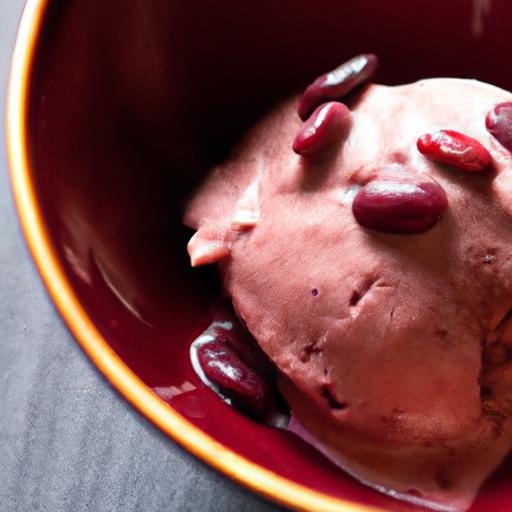

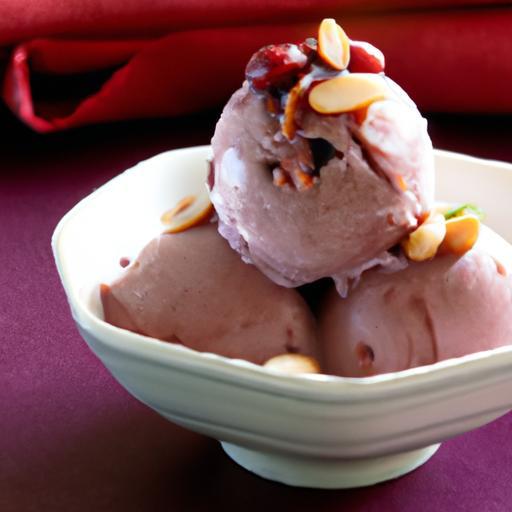
In the vibrant tapestry of global desserts, few treats embody both cultural heritage and luscious indulgence quite like red bean ice cream. This unique creation marries the subtly sweet earthiness of red beans-a staple in East Asian cuisine-with the rich, creamy texture of traditional ice cream, resulting in a delightful fusion that tantalizes the palate and tells a story with every bite. As sweet tradition meets creamy delight, red bean ice cream invites dessert lovers on a journey through history, flavor, and innovation, proving that sometimes, the most unexpected ingredients can create the most unforgettable experiences.
red Bean Ice Cream: Sweet Tradition Meets Creamy Delight
Red bean ice cream is a beloved treat that effortlessly marries the rich sweetness of azuki beans with the silky creaminess of frozen dessert. Originating from East asia,this unique ice cream stands out as a perfect canvas for cultural storytelling,bringing forth centuries of tradition in every luscious bite. Whether you first encountered it savoring street food in Taiwan or indulging in a Japanese dessert cafe, red bean ice cream offers a subtle sweetness and layered texture that feels both nostalgic and novel.
Prep and Cook Time
- Preparation: 20 minutes
- Cooking: 40 minutes (including bean simmering and cooling)
- Chilling and Churning: 4 hours
Yield
4 generous servings
Difficulty Level
Medium - requires simmering azuki beans and ice cream churning equipment
Ingredients
- 1 cup dried azuki (red) beans, rinsed and soaked overnight
- 1 ½ cups water for bean cooking
- ¾ cup granulated sugar, divided
- 2 cups whole milk
- 1 cup heavy cream
- 4 large egg yolks
- 1 tsp vanilla extract
- Pinch of salt
Instructions
- Prepare the Red Bean Paste. Drain soaked azuki beans and place in a saucepan with 1 ½ cups water. Bring to a boil,then reduce heat to low. Simmer uncovered for 45 minutes, or until beans are very soft, adding extra water if necessary.
- sweeten and Mash. Stir in ½ cup sugar and a pinch of salt, mashing half of the beans against the pot with a spoon while leaving the rest whole to preserve texture. Cook for another 10 minutes until thickened.Remove from heat and cool completely.
- Make the Ice Cream Base. In a separate bowl, whisk together egg yolks and remaining ¼ cup sugar until pale and creamy.
- Heat Milk and Cream. Warm the milk and cream in a saucepan over medium heat until steaming but not boiling.
- Temper the Eggs. Slowly pour the warm milk mixture into the yolks,whisking constantly to avoid curdling.Return everything to the saucepan.
- Cook the Custard. Stir over low heat until the mixture thickens and coats the back of a spoon (about 170°F/77°C). Remove from heat and stir in vanilla extract.
- Combine Red Bean Paste and Custard. Chill the custard completely in an ice bath,then fold in the cooled azuki bean mixture gently to maintain its texture.
- Churn and Freeze. Pour into your ice cream maker and churn according to manufacturer’s instructions, usually about 20-25 minutes. Transfer to a freezer-safe container and freeze at least 3 hours to firm up.
Tips for Homemade Red Bean Ice Cream That Impresses
- Bean Texture Matters: Leaving some beans whole adds delightful bursts of flavor and contrasts beautifully with the creamy base.
- Make-Ahead Convenience: prepare the red bean paste up to 3 days in advance and refrigerate; this deepens flavor and saves time on the day of churning.
- balance Sweetness: Adjust sugar in the bean paste and custard separately to suit your taste-red beans naturally offer mild sweetness, so subtle sugar levels let their flavor shine.
- Dairy Alternatives: For a lighter version, substitute heavy cream with coconut milk, enhancing an exotic nuance while maintaining creaminess.
- Churn Tips: For optimal creaminess,chill your ice cream base thoroughly before churning and avoid over-churning to prevent icy textures.
Exploring Unique Variations and flavor Pairings
The versatility of red bean ice cream invites creativity.Some of my favorite twists include swirls of matcha green tea powder mixed directly into the base for an earthy complement, or topping each scoop with toasted sesame seeds and a drizzle of condensed milk for extra richness. You might also try folding in chewy mochi bits or crunchy rice crackers to contrast the creamy scoop. These combinations not only elevate texture and flavor but also celebrate the dessert’s regional inspirations.
Serving Suggestions
Your red bean ice cream deserves a presentation as refined as its flavor. Serve scoops in elegant bowls and garnish with a few whole azuki beans or red bean paste dollops. A sprinkle of toasted coconut flakes or a mint sprig can add lovely color contrasts. Pair it alongside fresh tropical fruits like mango or lychee for a refreshing bite that balances creamy sweetness with luminous acidity. For an indulgent treat, enjoy a scoop atop warm dorayaki pancakes or alongside buttery sesame cookies.

| Nutrient | Per Serving |
|---|---|
| Calories | 280 kcal |
| Protein | 6 g |
| carbohydrates | 38 g |
| Fat | 9 g |
For those looking to dive deeper into the culinary history and recipes using azuki beans, explore our collection of azuki bean delights. additionally, the wikipedia page on azuki beans offers rich botanical and cultural context.
Q&A
Q&A: Red Bean Ice Cream – Sweet Tradition Meets Creamy Delight
Q1: What exactly is red bean ice cream?
A: Red bean ice cream is a luscious fusion of creamy dairy and sweetened adzuki beans, a staple ingredient in many East asian desserts. It takes the humble red bean paste-a velvety,subtly sweet purée-and transforms it into a frozen treat that’s both familiar and refreshingly unique.
Q2: Where does red bean ice cream originate from?
A: While no single origin story claims the spotlight, red bean ice cream is deeply rooted in East Asian culinary culture, especially in Japan, Korea, and China. Each region embraces the humble bean in its own way, but the idea of combining red beans with ice cream is largely popularized in Japan, where wagashi (traditional sweets) meet modern dessert innovation.
Q3: Why are red beans such a beloved ingredient in desserts?
A: Red beans, typically adzuki beans, have a naturally sweet, nutty flavor that pairs beautifully with sugar to create red bean paste-a cornerstone of East Asian confectionery. Beyond taste, red beans symbolize good fortune and prosperity, lending an auspicious touch to sweets enjoyed during festivals and special occasions.Q4: How is red bean ice cream made?
A: The process begins with cooking the red beans until tender, then sweetening and mashing them into a smooth or slightly chunky paste. This red bean paste is carefully folded into a creamy ice cream base-usually milk, cream, and sugar-before being churned and frozen. The result? A perfectly balanced dessert where creamy richness meets sweet, bean-packed earthiness.
Q5: What makes red bean ice cream different from other ice cream flavors?
A: Unlike more conventional fruit or chocolate flavors, red bean ice cream offers a unique combination of texture and taste. The slight graininess of the beans contrasts with the smooth creaminess of the ice cream, while the sweetness is gentle-not overpowering-providing a beautifully nuanced flavor profile.
Q6: Can red bean ice cream be enjoyed in other ways?
A: Absolutely! Red bean ice cream frequently enough appears alongside mochi, waffles, or as a topping for shaved ice desserts like Korea’s patbingsu or Japan’s kakigōri. Its versatility also lends itself to creative culinary twists-think red bean ice cream sandwiches, parfaits, or even fusion-inspired ice cream cakes.
Q7: is red bean ice cream healthy?
A: While it’s still a dessert and should be enjoyed in moderation, red beans themselves are packed with protein, fiber, and minerals. This means red bean ice cream can offer a bit more nutritional value compared to typical ice creams made with artificial flavorings or high fructose components, although the sugar and fat from the ice cream base still make it an indulgence.
Q8: Where can one find or try red bean ice cream?
A: Red bean ice cream is increasingly popular worldwide-look for it in Asian grocery stores, specialty ice cream parlors, or Asian dessert cafes. Many ice cream shops in cosmopolitan cities incorporate it into their flavor rotations, embracing the blend of tradition and innovation it represents.
Q9: What’s the cultural meaning of enjoying red bean ice cream?
A: Enjoying red bean ice cream is more than just a sweet experiance-it’s a bite into history, culture, and tradition. It bridges generations, bringing the comforting flavors of ancestral recipes into the modern era. Each spoonful connects dessert lovers to centuries-old rituals of celebration, warmth, and community.
Q10: Any tips for someone wanting to make red bean ice cream at home?
A: Start by preparing a good-quality red bean paste-either from scratch or store-bought. Balance the sweetness carefully to avoid overpowering the natural flavor of the beans. Use a rich ice cream base and churn gently to keep the beans’ texture intact. Most importantly, embrace the process-making this dessert at home is as much about honoring tradition as it is about savoring a tasty treat!
In Retrospect
From its humble origins in traditional Asian desserts to its modern reinvention in artisanal ice cream shops around the world, red bean ice cream stands as a testament to the lovely marriage of sweet tradition and creamy delight.Whether you’re a longtime fan or a curious newcomer, indulging in this unique treat offers more than just a refreshing flavor-it’s a bite-sized experience of cultural heritage and culinary creativity. So next time you’re seeking a dessert that tells a story as rich as its taste, let red bean ice cream be your perfect, unforgettable scoop.