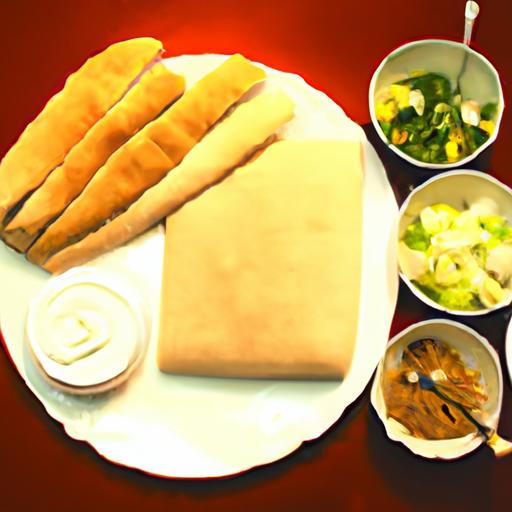

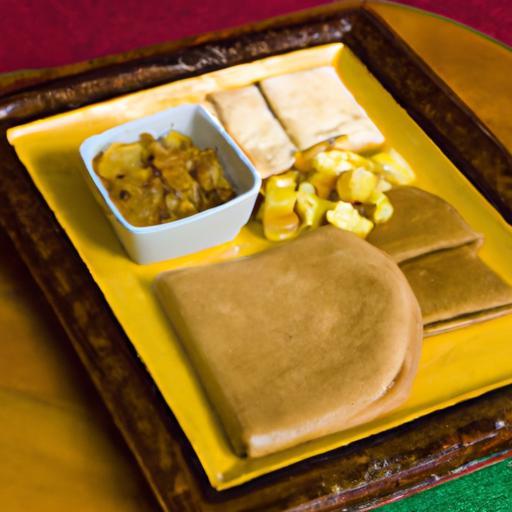
In the heart of Guyana’s vibrant culinary landscape lies a beloved staple that carries stories of culture, history, and mouthwatering flavors-roti. More than just a simple flatbread, Guyanese roti is a versatile delight, woven with rich traditions and spiced with diverse influences from Indian, African, and Caribbean heritage. Join us as we embark on a flavorful journey through the many types of Guyanese roti, uncovering the unique textures, fillings, and aromas that make each variety a cherished part of this island nation’s identity. Weather your a seasoned foodie or a curious explorer, prepare to savor the layers of taste and culture baked into every bite.
Exploring Guyanese roti invites food lovers on an unforgettable culinary voyage through the vibrant streets and kitchens of Guyana. A staple deeply woven into the country’s diverse cultural tapestry, roti is much more than just a flatbread; it’s a symbol of heritage, comfort, and community. Hailing from Indian indentured laborers who brought thier cooking traditions in the 19th century, Guyanese roti evolved uniquely by incorporating local ingredients and techniques, creating varieties bursting with rich and layered flavors.

Origins and Cultural Significance of Guyanese Roti
Rooted in the Indo-Guyanese community, roti carries the story of migration, adaptation, and festivity. Traditionally served during gatherings,festivals,and family meals,roti represents a link to ancestral customs,spanning generations. Its role transcends mere sustenance-it acts as a vessel for storytelling, a shared culinary language uniting Guyana’s ethnic mosaic, from Afro-Guyanese to Indigenous groups. Each region might add slight variations, but the essence remains: a soft, warm flatbread that complements vibrant, spicy stews and curries.
Distinct Varieties and Their Unique Flavor Profiles
Guyanese roti comes in several captivating forms that appeal to different tastes and occasions:
- Paratha/Chapata: Multi-layered and slightly flaky,giving a buttery richness with each bite.ideal for those who savor a tender yet flaky texture enveloped in a subtle toasted aroma.
- Plain Roti: A soft, pliable bread with minimal layers, perfect for scooping up saucy fillings. Its mild flavor acts as a perfect canvas for bold, spicy companions.
- Dhalpuri: A signature variation stuffed with seasoned ground split peas (dhal), imbuing an earthy, mildly spiced sweetness that makes this roti irresistible and hearty on its own.
Each variety boasts a unique balance of chewiness and flavor depth, crafted to complement specific curries or stews with harmonizing textures and seasoning.
Ingredients and Techniques Behind Authentic Guyanese Roti
Mastering authentic Guyanese roti hinges on quality ingredients and intuitive technique. The foundation is sifted all-purpose flour, combined with warm water and a pinch of salt for structure and elasticity. For dhalpuri, the filling requires dry split peas simmered and finely ground, then mixed with delicate spices like cumin and turmeric, delivering a distinctive taste.
Technique is equally crucial: the dough is kneaded until smooth and elastic, traditionally rested to develop gluten for softness. When cooking, consistent medium heat is vital to form golden, slightly blistered surfaces without burning.Paratha demands a careful layering method-rolling and folding with a touch of oil or ghee before cooking-to achieve its signature flaky texture.
Prep and Cook Time
- Readiness: 30 minutes
- Cooking: 15 minutes
- Total: 45 minutes
Yield
Serves 6-8 rotis
Difficulty Level
Medium
Ingredients
- 2 cups all-purpose flour, sifted
- ½ teaspoon fine salt
- ¾ cup warm water (adjust as needed)
- 2 tablespoons vegetable oil or melted ghee, plus extra for cooking
- For dhalpuri filling:
- 1 cup split yellow peas (dhal), soaked and drained
- 1 teaspoon ground cumin
- ½ teaspoon turmeric powder
- ½ teaspoon salt
- Water, as needed for blending
Instructions
- Prepare the dough: In a large bowl, combine the sifted flour and salt. Gradually add the warm water while mixing, until a sticky dough forms.Add 2 tablespoons of oil and knead on a floured surface until smooth and elastic, about 8 minutes. Cover and let rest for 20 minutes.
- Make the dhalpuri filling (if applicable): Boil split peas until very soft, then drain. Blend or mash thoroughly with cumin, turmeric, and salt until a smooth paste forms. Set aside.
- Form the rotis: Divide the dough into equal balls (about golf ball size). For dhalpuri, flatten a ball, place 1 tablespoon of filling in the center, and seal carefully. Roll gently into a 7-8 inch circle on a lightly floured surface. For plain roti or paratha, roll dough balls directly.
- Cook the roti: heat a dry skillet or tawa over medium heat. Place rolled roti on the hot surface, cooking about 1½ minutes until golden spots appear. Flip and cook the other side until lightly puffed. For paratha, brush with oil/ghee before flipping to develop flaky layers. Press gently with a spatula to encourage puffing and even cooking.
- Serve warm: Stack on a plate and keep covered with a clean towel to maintain softness until serving.
Chef’s Notes
- Resting the dough is crucial for tender rotis; do not skip this step.
- Use warm water,never hot,to aid proper gluten formation without killing yeast enzymes (if using any).
- For extra flaky paratha, the “rolling and folding” technique can be repeated twice before cooking.
- Leftover rotis can be reheated on a skillet wrapped in foil for 2 minutes.
- Dhalpuri filling can be spiced up with finely chopped green chili or fresh cilantro for a flavor twist.
Serving Suggestions
Guyanese roti shines when paired with spicy, aromatic fillings and sides such as curried chicken, goat, or chickpeas. Serve warm, folded or rolled with vibrant chutneys, sliced fresh cucumber, and a side of cooling yogurt or mango chutney to balance the spices. garnish with fresh cilantro or a squeeze of lime for enhanced brightness.

| Nutrition (Per Roti) | Calories | Protein | Carbs | Fat |
|---|---|---|---|---|
| Plain Roti | 150 | 4g | 28g | 3g |
| Dhalpuri roti | 210 | 7g | 34g | 4g |
| Paratha | 230 | 5g | 27g | 9g |
For a deeper understanding of Caribbean culinary influences, explore our Caribbean Spices Guide. To learn about the historical context of Indian diaspora foods, visit the Encyclopaedia britannica.
Q&A
Q&A: Exploring Guyanese roti – A Flavorful journey Through Types
Q1: What makes Guyanese roti unique compared to other types of roti?
A1: Guyanese roti stands out for its rich fusion of South Asian roots and Caribbean flair. Unlike its Indian counterpart, Guyanese roti often serves as more than just a flatbread-it’s a vessel for hearty fillings and vibrant spices that reflect Guyana’s diverse cultural tapestry. Its texture strikes a perfect balance between soft and flaky,making it ideal for scooping up savory stews or enjoying on its own.
Q2: What are the main types of roti found in Guyana?
A2: In Guyana, you’ll commonly find three beloved roti varieties: Dhalpuri, Paratha, and Buss-Up-Shut. dhalpuri roti is stuffed with seasoned ground split peas, offering a subtly sweet and earthy flavor. Paratha roti is a layered,buttery flatbread with a satisfying flakiness. Buss-up-Shut, humorously named for its crumpled appearance resembling a “busted-up shirt,” is a soft, torn roti that’s tender and slightly chewy.
Q3: How is Dhalpuri roti traditionally prepared?
A3: Preparing Dhalpuri roti is an art form. First,ground split peas are cooked and blended with spices like cumin and turmeric to create a smooth,flavorful filling. This filling is then evenly spread inside rolled-out dough, sealed, and cooked on a hot griddle until golden brown. The result is a flaky roti with pockets of aromatic, mildly spiced peas that complement savory curry dishes beautifully.
Q4: what dishes pair best with Guyanese roti?
A4: Guyanese roti is famously paired with robust curries such as chicken curry, goat curry, or vegetable curry. It’s also a favorite accompaniment to stews featuring chickpeas, pumpkin, or seafood.The roti’s soft texture and delicate flavor perfectly soak up the bold spices and rich sauces, creating a mouthwatering harmony with every bite.
Q5: Can you enjoy Guyanese roti on its own, or is it always a side?
A5: While roti is traditionally served alongside curries, the Buss-Up-Shut variety especially lends itself to solo enjoyment. Its buttery, flaky layers can be savored plain or with simple spreads like butter, chutney, or pepper sauce. Eating roti on its own allows you to truly appreciate its nuanced texture and the subtle craftsmanship involved in its preparation.
Q6: What cultural significance does roti hold in Guyana?
A6: Roti is much more than a staple food in guyana-it’s a symbol of cultural identity and heritage. Brought by Indian indentured laborers,roti has evolved alongside Guyana’s multicultural influences,becoming a beloved national dish that unites communities. Sharing roti during family meals, festivals, and celebrations is a cherished tradition that continues to foster connection and pride.
Q7: How can someone outside Guyana experience authentic Guyanese roti flavors?
A7: To savor authentic Guyanese roti abroad, look for Caribbean or Guyanese restaurants that offer homemade roti varieties. Many chefs lovingly handcraft dhalpuri and buss-up-shut roti, often paired with rich curries that capture the island’s flavor. For adventurous cooks, trying your hand at making roti at home-with ingredients like split peas, ground spices, and ghee-can provide a delightful, hands-on cultural journey.
Delving into Guyanese roti is more than just tasting bread-it’s an exploration of history, culture, and culinary artistry wrapped in layers of flavor. Whether you’re biting into a savory dhalpuri or tearing into a fluffy buss-up-shut, each roti tells a story of resilience, fusion, and a love for bold, comforting food.
In Summary
As we wrap up this flavorful journey through the diverse world of Guyanese roti, it’s clear that each type carries with it a story woven from cultural heritage, culinary artistry, and communal warmth.From the soft, flaky paratha to the generously stuffed dhalpuri, these rotis are more than just flatbreads-they are edible chapters of Guyana’s rich tapestry. Whether enjoyed as a humble street food or a centerpiece of a festive meal, Guyanese roti invites us to experience the vibrant fusion of flavors and traditions that define this remarkable cuisine. So next time you savor a bite, remember you’re not just tasting food-you’re tasting history, community, and the heart of Guyana itself.