
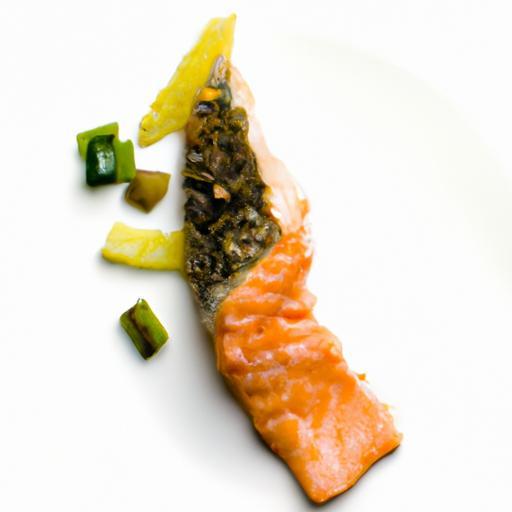
When it comes to treating our furry friends, health and happiness often go paw in paw. Among the myriad of snack options available, salmon skin has been swimming its way into the spotlight as a tasty and nutritious treat for dogs. But is this crispy delicacy a safe indulgence or a hidden hazard lurking in your pet’s bowl? In this article, we’ll dive beneath the surface to explore the benefits, potential risks, and expert advice surrounding salmon skin for dogs-helping you decide if this savory snack deserves a place in your canine’s diet.
Salmon skin for dogs offers a unique blend of nutritional benefits and natural flavor that can delight your furry companion while supporting thier overall health. Known for its rich omega-3 fatty acids, essential amino acids, and antioxidants, salmon skin can be a wholesome treat when sourced and prepared correctly.However, understanding both the advantages and potential hazards is key to ensuring your dog enjoys this delicacy safely and without digestive upset.

Prep and Cook Time
Planning: 10 minutes | Cooking: 15 minutes | Total: 25 minutes
Yield
Makes approximately 20 crisp salmon skin treats, perfect for small to medium-sized dogs.
Difficulty Level
Easy – Ideal for all pet owners, no specialized equipment required.
Ingredients
- 200g fresh, high-quality salmon skin, thoroughly cleaned
- 1 tablespoon olive oil or salmon oil (optional for extra omega-3 boost)
- A pinch of dried parsley (natural breath freshener and safe for dogs)
- 1 teaspoon ground turmeric (anti-inflammatory properties, optional)
- Water for rinsing the skin
Instructions
- Clean the salmon skin thoroughly by rinsing under cold running water. pat dry with a paper towel to remove excess moisture, which helps achieve crispiness.
- Trim any excess fat from the skin as to much fat can cause digestive upset in dogs and mask the pure salmon flavor.
- cut the skin into bite-sized strips about 1 inch wide and 3-4 inches long, perfect for a manageable treat.
- Optional: lightly brush the salmon skin with olive oil or salmon oil to boost omega-3 fatty acids and add shine.
- Sprinkle the strips evenly with turmeric and parsley,ensuring a tasteful but subtle layer of flavor and nutrients.
- Preheat your oven to 200°C (400°F). Line a baking sheet with parchment paper for easy cleanup and to prevent sticking.
- Arrange the salmon skin pieces in a single layer on the baking sheet, skin side up to maximize crispness.
- Bake for 12-15 minutes, or until the skin edges curl up and turn golden-brown and crispy. Watch closely to avoid burning.
- Remove from oven and let cool fully to set the texture-cooling is essential to keep the skin crunchy rather than rubbery.
- Store in an airtight container at room temperature for up to 5 days, or freeze for longer freshness.
Chef’s Notes
- Choosing quality salmon skin is critical – seek wild-caught, sustainably sourced salmon from reputable vendors. Avoid skin from farmed salmon with unknown feed or additives.
- If your dog has never consumed salmon skin before, introduce small amounts gradually to monitor any allergic or digestive reactions.
- For a softer version, steam the skin lightly before baking, but crispy treats tend to be preferred and easier to digest.
- never add salt, garlic, onions, or artificial seasoning. These can be toxic to dogs.
- Homemade salmon skin treats can be frozen in portions and thawed as needed to retain freshness without compromising safety.
Serving Suggestions
Serve these salmon skin treats as a special reward during training sessions or as a wholesome snack in between meals. For an extra touch of indulgence, sprinkle a few crushed dried blueberries or a light dusting of coconut powder over the treats. Present on a colorful dog bowl or a wooden serving board for an aesthetic and inviting look. Pair with a fresh bowl of water or your dog’s favorite healthy kibble to enhance their dining experiance.
| Nutrient | Per Treat (approx.) | Benefits for Dogs |
|---|---|---|
| Calories | 18 kcal | Low-calorie, perfect for training rewards |
| Protein | 2.5 g | Supports muscle maintenance and repair |
| Fat | 0.9 g | Rich in omega-3 fatty acids, promotes healthy coat |
| Carbohydrates | 0 g | Low carb, supports balanced diet |
Recognizing Allergies and digestive Issues: What to Watch For
While salmon skin can be a nutritious treat, some dogs may develop allergies or sensitivities. Signs include itching, swelling, or gastrointestinal symptoms such as diarrhea or vomiting.Should any adverse effects arise, discontinue feeding instantly and consult your veterinarian.Introducing salmon skin treats slowly and in small quantities helps minimize these risks.
Identifying Quality Sources and Safe preparation
select wild-caught salmon skin free from preservatives and contaminants. Avoid processed or smoked skins, which can contain harmful additives. Proper cleaning and cooking as outlined in the recipe ensure removal of potential parasites and bacteria, making the treat both safe and tasty. For more detailed details on safe fish treats for dogs, visit AVMA’s guide.
Ready to dive deeper into natural pet treats? Check out our collection of healthy dog treat recipes for more wholesome ideas!

Q&A
Salmon Skin for Dogs: Safe Treat or Risky Snack? - Q&A
Q1: Can dogs eat salmon skin safely?
Absolutely! Salmon skin can be a delicious and nutritious treat for dogs when prepared properly. It’s rich in omega-3 fatty acids,which support a shiny coat,healthy joints,and brain function. Though, it’s crucial that the skin is plain, thoroughly cooked, and free from seasoning or additives.
Q2: What are the benefits of feeding salmon skin to my dog?
salmon skin is a powerhouse of natural nutrients.Aside from omega-3s, it contains protein and essential vitamins like B12 and D. These nutrients can definitely help reduce inflammation,support immune health,and even improve cognitive function in dogs-making it more than just a tasty snack!
Q3: Are there any risks associated with feeding salmon skin?
Yes,there are a few. Raw or undercooked salmon skin can harbor parasites and bacteria unsafe for dogs. Additionally, salmon skin is naturally high in fat, so feeding too much can lead to upset stomachs or pancreatitis. Also, seasoned or smoked skins often contain salt, garlic, or other ingredients toxic to dogs.Q4: How should I prepare salmon skin for my dog?
The safest bet is to bake or dehydrate fresh salmon skin without any oils, salt, or seasoning. Let it cool completely before offering it as a treat. You can also find commercially prepared salmon skin treats designed specifically for dogs, ensuring safety and quality.
Q5: How much salmon skin can I give my dog?
Treat salmon skin as an occasional indulgence rather than a daily snack. A small piece-about the size of your dog’s paw or less-is enough for a medium-sized dog. Always start with a tiny amount to observe any adverse reactions.Q6: What signs indicate my dog may not tolerate salmon skin well?
Watch for vomiting, diarrhea, itching, or sudden changes in behavior after eating salmon skin. These could be signs of an allergy or digestive upset. If symptoms persist, consult your veterinarian promptly.Q7: Can all dogs enjoy salmon skin treats?
Most dogs can enjoy salmon skin,but puppies,senior dogs,and those with sensitive stomachs or pancreatitis should avoid fatty treats. Always check with your vet before introducing new foods, especially if your dog has known health issues.
In a nutshell: Salmon skin can be a healthy, tasty treat for your furry friend when given mindfully and prepared safely. Think of it as a crunchy super-snack loaded with benefits-just remember, moderation and preparation are key to turning this slippery snack into a safe delight!
Closing Remarks
salmon skin can be both a nutritious treat and a potential hazard for your furry friend-much like many things worth savoring in life.Packed with omega-3s and a crispy texture dogs often adore, it offers health benefits that make it more than just a tasty snack. however, the key lies in preparation, portion control, and sourcing. Always opt for clean, cooked, and skin-only portions to minimize risks, and consult your vet if your pup has specific dietary sensitivities. With the right approach,salmon skin can transform from a risky nibble into a wholesome reward,proving that with a little care,even snack time can be a bite of health and happiness.