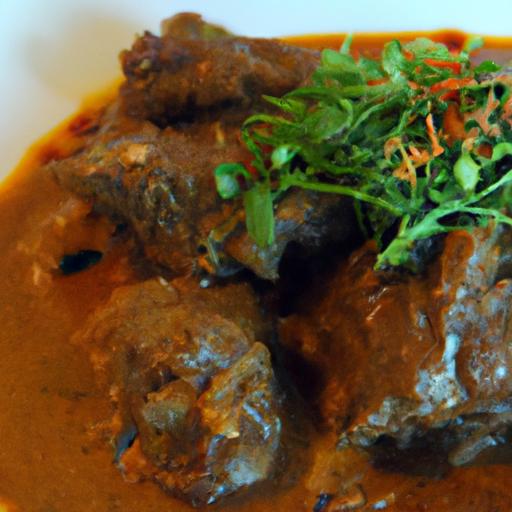

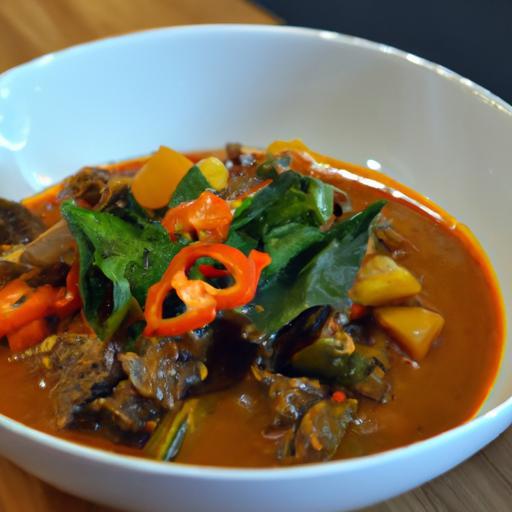
Beneath the glossy surface of a steaming bowl of rendang lies more than just a spicy beef stew-it carries the whispers of centuries, cultures, and culinary mastery. This Indonesian delicacy,renowned for its deep,complex flavors and tender,melt-in-your-mouth texture,is much more than a dish; it’s a rich tapestry woven from tradition,history,and regional pride. In “Rendang Revealed: The Rich Story Behind spicy Beef stew,” we embark on a flavorful journey through the origins, evolution, and cultural importance of rendang, uncovering the secrets behind its legendary status and the passionate hands that bring this iconic recipe to life. “Spicy Beef Stew”
Rendang revealed is more than just a spicy beef stew-it’s a culinary journey into the heart of Southeast Asia’s rich traditions and flavors. Originating from the Minangkabau ethnic group of West Sumatra, Indonesia, this iconic dish embodies patience, passion, and cultural storytelling. Frequently enough served during festive ceremonies and family gatherings, rendang is beloved not onyl for its bold flavor but also for its role as a symbol of hospitality and festivity. “Spicy Beef Stew”
Prep and Cook Time
- Planning: 30 minutes
- Cooking: 3 hours (slow simmering)
- Total Time: Approximately 3 hours 30 minutes
Yield
Serves 6 hearty portions
Difficulty Level
Advanced - requires time and attention but rewards with rich complexity
Ingredients
- 1.5 lbs (700g) beef chuck, cut into 2-inch cubes
- 2 cups coconut milk (fresh or canned, full-fat preferred)
- 6 shallots, peeled and sliced thin
- 5 cloves garlic, minced
- 3 stalks lemongrass, bruised and tied
- 3 kaffir lime leaves
- 1-inch piece fresh ginger, grated
- 1-inch galangal, sliced
- 4 dried red chilies, soaked and blended into a paste
- 1 tsp turmeric powder
- 1 tsp coriander seeds, toasted and ground
- 1 tsp cumin seeds, toasted and ground
- 1 tbsp palm sugar (or dark brown sugar)
- Salt, to taste
- 3 tbsp cooking oil (preferably coconut oil)
Instructions
- Prepare the spice paste: In a food processor, combine shallots, garlic, soaked chilies, ginger, galangal, turmeric, coriander, and cumin. Pulse until a smooth paste forms. Add a splash of water if needed to facilitate blending.
- Heat the oil: In a heavy-bottomed pot or Dutch oven, warm the coconut oil over medium heat.Add the spice paste, sauté until fragrant and golden brown, about 7 minutes, stirring frequently to prevent burning.
- Add the beef: Toss the beef cubes into the pot, searing them in the spice mixture for 5 minutes to lock in flavor and develop a rich color.
- Layer aromatics: Add the bruised lemongrass stalks and kaffir lime leaves, stirring gently to combine.
- Pour in the coconut milk: Stir well, bring to a gentle boil, then reduce heat to low.this slow cooking stage is crucial as it allows the beef to tenderize and the flavors to meld deeply.
- Simmer uncovered: Cook for 2.5 to 3 hours on low heat, stirring occasionally to prevent sticking and ensuring the coconut milk slowly thickens and caramelizes into a luscious, dark sauce. add palm sugar and salt about halfway through.
- Adjust seasoning: taste and tweak salt or sweetness as needed. The finished rendang should be richly spiced, slightly sweet, and deeply savory with minimal liquid remaining-a thick, sticky coating enveloping tender beef chunks. “Spicy Beef Stew”
Chef’s Notes
- Choice of beef: Opt for cuts rich in connective tissue like chuck or brisket which break down beautifully during slow cooking, creating tender, flavorful morsels.
- Spice paste variations: Fresh turmeric root can substitute powder for a more vibrant color and earthy flavor.
- Slow cooking patience: Resist the urge to rush simmering; slow heat unlocks the dish’s signature caramelized depth-consider using a slow cooker on low if preferred.
- Make-ahead bonus: Rendang tastes even better the next day, making it a perfect dish to prepare in advance.
- Vegetarian twist: Use jackfruit or mushrooms to recreate the texture while keeping the same aromatic spice base.
Serving suggestions
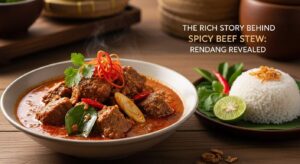
Present your Rendang Revealed masterpiece alongside fluffy steamed jasmine rice or fragrant coconut rice to soak up the rich sauce. Garnish with freshly chopped cilantro or thinly sliced red chili for a colorful contrast. Accompany with crisp, refreshing cucumber slices or a side of ulam (Malay herb salad) to balance the hearty spice. For authenticity, serve with kerupuk crackers on the side for added texture and flair.

| Nutrient | Per Serving |
|---|---|
| Calories | 450 kcal |
| Protein | 38g |
| Carbohydrates | 12g |
| Fat | 28g |
Curious about other iconic Southeast Asian dishes? Dive into our Exploring Nasi Lemak: Malaysia’s Creamy Coconut Rice Delight for further culinary adventures. For comprehensive culinary history, visit Britannica’s Rendang Overview.
Q&A
Q&A: Rendang Revealed – The Rich Story Behind Spicy Beef Stew
Q1: What exactly is Rendang?
Rendang is a slow-cooked spicy beef stew originating from the Minangkabau ethnic group of West Sumatra, Indonesia.It’s renowned for its deep, complex flavors achieved by simmering beef in a rich mixture of coconut milk and a medley of aromatic spices until the liquid evaporates, leaving tender, caramelized meat infused with intense taste.
Q2: How did Rendang become so iconic?
rendang isn’t just food-it’s a cultural symbol. Traditionally prepared for festive occasions and ceremonies, it embodies hospitality, patience, and craftsmanship. The lengthy cooking process reflects respect and dedication, making Rendang a celebratory dish that has traversed borders, capturing hearts in Malaysia, Singapore, and beyond.
Q3: What are the key ingredients that give Rendang its signature flavor?
Some stars of the Rendang flavor profile include lemongrass, galangal, turmeric, ginger, garlic, shallots, and dried chilies. These spices blend harmoniously with creamy coconut milk and tamarind, creating a balance of spicy, savory, and slightly sweet notes that dance on the palate.
Q4: Why does Rendang take so long to cook?
Patience is at the heart of rendang.The beef simmers slowly over hours to absorb every nuance of the spice blend and to allow the coconut milk to thicken and reduce to a luscious coating. This slow-cooking method also tenderizes the meat, turning it buttery soft without losing texture.
Q5: Are ther different types of Rendang?
Absolutely! While beef Rendang is the classic, variations exist featuring chicken, duck, or even vegetables. Each region and household might tweak the spice mix and cooking times, resulting in subtle differences-from the drier renditions of West Sumatra to the saucier versions of Malaysia.
Q6: what makes Rendang unique compared to other stews?
Unlike typical stews that prioritize broth, Rendang transforms its cooking liquid into a thick, toasted paste that coats each piece of beef. The interplay of slow reduction and caramelization infuses the dish with that unforgettable, layered complexity seldom found elsewhere.Q7: How is Rendang celebrated in modern cuisine?
Rendang has leaped from traditional kitchens into contemporary menus worldwide. Chefs experiment with fusion dishes like Rendang tacos or burgers, while food enthusiasts cherish its authenticity by mastering the traditional recipe at home-a delicious homage to heritage and innovation.
Q8: Can Rendang be stored or served later?
Yes! Rendang actually improves in flavor after resting for a day or two, as the spices meld even deeper. It can be refrigerated or frozen, making it a practical yet indulgent dish that rewards those willing to wait.
Q9: What cultural significance does Rendang hold today?
More than just a dish, Rendang represents identity, community, and storytelling passed through generations.UNESCO recognizes Minangkabau cuisine,including Rendang,as intangible cultural heritage,acknowledging its role in preserving tradition and cultural pride.
Q10: How can someone new to Rendang start enjoying it?
For first-timers, start with a good-quality beef Rendang complemented by fragrant jasmine rice and a simple side of sautéed greens. Approach it mindfully-savoring each bite reveals a tapestry of flavors and history that transforms a meal into an immersive cultural journey.
To Conclude
As the final embers of our Rendang journey glow softly, we’re reminded that this spicy beef stew is far more than a dish-it’s a tapestry woven from centuries of culture, tradition, and culinary mastery. Each tender bite carries the whispers of Minangkabau ancestors, the aromatic spices of the archipelago, and the enduring spirit of communal celebration. In uncovering Rendang’s rich story, we don’t just savor a meal; we taste history itself, inviting us to appreciate how food can transcend flavor to become a timeless symbol of identity and connection. Next time you encounter a bowl of Rendang, may you enjoy not only its fiery warmth but also the profound narrative simmering beneath the surface.