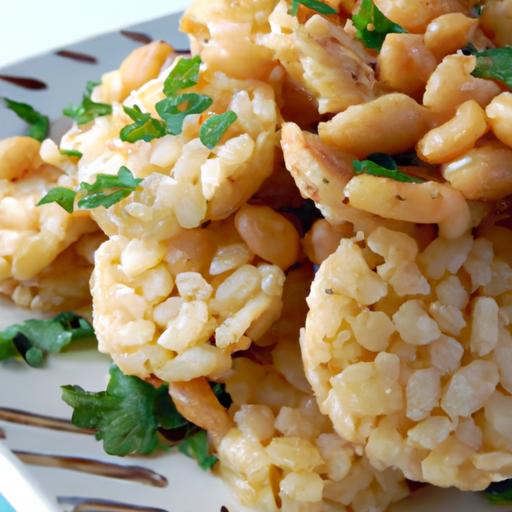

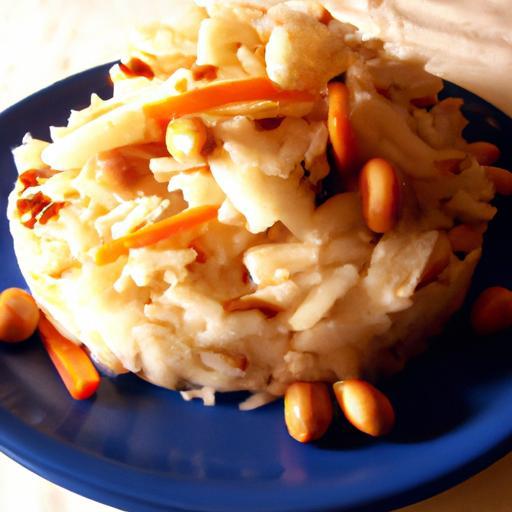
There’s something truly comforting about sinking your teeth into a warm,freshly made rice cake-a simple delight that bridges tradition and taste with every bite.Whether you crave the chewy softness of classic varieties or the subtle sweetness infused with unique flavors, homemade rice cakes offer a world of possibilities right in your kitchen. In this article, we’ll explore easy recipes and handy tips that will empower you to craft these delicious treats from scratch, transforming humble ingredients into mouthwatering masterpieces.Get ready to roll up your sleeves and discover the art of making rice cakes that are as satisfying to prepare as they are to enjoy.
Delicious homemade rice cakes offer an remarkable combination of simplicity and versatility, making them a beloved treat across cultures and cuisines. Whether you crave the soft,pillowy texture of classic steamed cakes or the crispy,golden edges of pan-fried versions,choosing the right rice variety is the cornerstone of achieving that perfect balance of fluffiness and rich flavor. From ancient traditions to modern twists, this guide will unlock the secrets to crafting rice cakes that impress every palate.
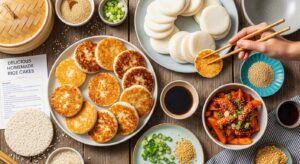
Prep and cook Time
- Readiness: 15 minutes
- Cooking: 25-30 minutes (varies by method)
- Total Time: 40-45 minutes
Yield
serves 6-8 generous portions
Difficulty Level
Easy to Medium – Perfect for beginners and adventurous home cooks alike.
Ingredients
- 1 ½ cups glutinous (sticky) rice flour, sifted
- 1 cup jasmine rice (for soaking and blending)
- 1 ¼ cups water (room temperature)
- ½ cup coconut milk (full fat for richness)
- ⅓ cup granulated sugar
- 1 tsp vanilla extract
- Pinch of salt
- Vegetable oil, for greasing pans (optional)
- Optional toppings: toasted sesame seeds, shredded coconut, chopped nuts, fresh fruit, or honey
Step-by-Step Instructions
- Soak the jasmine rice: Rinse jasmine rice under cold water until water runs clear. Soak in fresh water for at least 2 hours,then drain thoroughly.
- create rice slurry: Transfer soaked rice to a blender with 1 ¼ cups water. Blend until a smooth,slightly grainy batter forms. This mixture will give your cakes an authentic texture and aroma.
- Combine the batter: In a large bowl, mix the glutinous rice flour, sugar, and salt.Gradually stir in the rice slurry and coconut milk until a smooth, thick batter forms without lumps. Add vanilla extract and fold gently.
- Rest the batter: Let the mixture sit for 15 minutes at room temperature – this helps the flours hydrate fully for fluffier results.
- Prepare your steamer or pan: For steamed rice cakes,line a steaming tray or cake pan with parchment paper or lightly grease. For pan-fried style, preheat and lightly oil a non-stick skillet over medium heat.
- Steam the cakes: Pour the batter evenly into your prepared tray or mold. Steam over boiling water for 20-25 minutes, until a toothpick inserted comes out clean and the cake feels springy to the touch.
- Cool and slice: Allow the rice cake to cool to room temperature before slicing into squares or traditional rounds.This cooling step is crucial to achieve the ideal fluffy,yet firm texture.
- Optional pan-fry: For a golden crust, lightly fry sliced rice cakes in vegetable oil over medium heat for 2-3 minutes per side until crisp and beautifully caramelized.
- Garnish and serve: Sprinkle with toasted sesame seeds, drizzle honey, or add vibrant fresh fruit toppings to elevate appearance and flavor.
Tips for Success
- Use freshly ground rice flour or purchase quality glutinous rice flour for optimal texture.
- Soaking rice increases moisture absorption, essential for a tender crumb.
- Adjust water quantity slightly depending on rice flour brand and humidity – aim for a thick batter, similar to pancake consistency.
- Don’t skip resting the batter; it helps gluten relax and improves cake fluffiness.
- For a vegan or dairy-free variation, replace coconut milk with almond or oat milk, but maintain fat content for creaminess.
- Rice cakes can be refrigerated overnight and gently reheated in a steamer or skillet to refresh texture.
Serving Suggestions
Serve your fluffy rice cakes warm or at room temperature alongside a cup of fragrant jasmine or green tea for a comforting snack.For a brunch twist, top with fresh mango slices, a drizzle of coconut cream, and a sprinkle of toasted coconut flakes. Alternatively, pair pan-fried rice cakes with savory dips such as spicy chili sauce or soy-ginger dressing for a tantalizing appetizer.
For celebrations, decorative edible flowers or chopped pistachios infuse an elegant touch, turning simple rice cakes into show-stopping delights.

| Nutrient | Per Serving (Approx.) |
|---|---|
| Calories | 180 kcal |
| Protein | 3 g |
| Carbohydrates | 38 g |
| Fat | 3 g |
Explore more inspired recipes in our Homemade Rice Desserts Collection for a variety of sweet and savory dishes.
For additional insight into rice varieties and their culinary uses, visit this authoritative resource on Ricepedia.
Q&A
Q&A: Delicious Homemade Rice Cakes – Easy Recipes and Tips
Q1: What makes homemade rice cakes different from store-bought ones?
A1: Homemade rice cakes have that fresh, comforting vibe you just can’t get from packaged versions. They’re customizable, free from preservatives, and you can play with flavors and textures to suit your mood – from sweet and sticky to savory and crunchy.Plus, nothing beats the aroma wafting through your kitchen as they cook!
Q2: What basic ingredients do I need to make rice cakes at home?
A2: The essentials are simple: glutinous (sweet) rice or rice flour, water, and a pinch of salt. From there, you can add sugar or coconut milk for sweetness, or soy sauce and sesame seeds for savory options. Fresh ingredients like green onions, mushrooms, or even pumpkin can add exciting twists.
Q3: How can I ensure my rice cakes turn out soft and chewy, not hard or dry?
A3: The secret lies in the rice-to-water ratio and steaming time. Soaking glutinous rice for several hours before pounding or grinding helps achieve that perfect chewiness. Also, steaming instead of baking or frying usually preserves moisture. Don’t rush the process-patience pays off!
Q4: Can rice cakes be made gluten-free?
A4: Absolutely! Traditional rice cakes are naturally gluten-free since they’re mainly made from rice flour. Just be mindful of any additional sauces or toppings-opt for gluten-free soy sauce and seasonings to keep it safe.
Q5: What are some creative flavor combinations I can try?
A5: The sky’s the limit! For a sweet treat, try coconut and pandan leaf essence or a swirl of red bean paste. On the savory side, mix chopped scallions, chili flakes, and a dash of sesame oil into the batter. You can also experiment with fillings like spicy kimchi, minced pork, or sweet chestnut.
Q6: How should I store leftover rice cakes?
A6: Rice cakes are best eaten fresh, but if you must store them, wrap them tightly in plastic wrap or store in an airtight container in the fridge. Reheat by pan-frying or steaming to restore their soft texture. avoid microwaving without moisture, or they might turn rubbery.
Q7: Are rice cakes suitable for beginners in cooking?
A7: Definitely! Rice cakes can seem fancy but are surprisingly straightforward. Start with steaming simple rice flour cakes before moving on to more complex recipes involving pounding or fillings. It’s a fun project with delicious rewards.
Q8: Can rice cakes be incorporated into meals beyond snacks?
A8: Yes! Rice cakes can be a base for hearty dishes. Slice and toss them in stir-fries with vegetables and sauces, or use them as chewy elements in soups like tteokguk (Korean rice cake soup). They’re versatile enough to shine at any meal.
Q9: Any insider tips for perfect presentation?
A9: Play with shapes and colors. Use molds or cut them into fun shapes before steaming. Dust them with toasted sesame seeds or drizzle with honey or soy glaze. Garnish with fresh herbs for a pop of colour and freshness-you eat with your eyes first!
Q10: Where can I find authentic recipes for homemade rice cakes?
A10: Explore cookbooks dedicated to Asian cuisine,food blogs from passionate home cooks,or video tutorials that walk you through each step visually. Experimenting with traditional recipes while adding your own flair is half the fun!
Enjoy crafting your own delectable rice cakes – your kitchen is about to become a hub of warm, chewy goodness!
in summary
Whipping up your own homemade rice cakes is more than just a cooking project-it’s a delicious journey into tradition, texture, and taste. With these easy recipes and handy tips at your fingertips, you’re now ready to transform simple ingredients into delightful bites that are perfect for any occasion. Whether you prefer them sweet, savory, or somewhere in between, homemade rice cakes offer endless possibilities to explore and enjoy. So roll up your sleeves, embrace the art of rice cake making, and savor each morsel crafted by your own hands-becuase sometimes, the simplest treats bring the greatest joy.