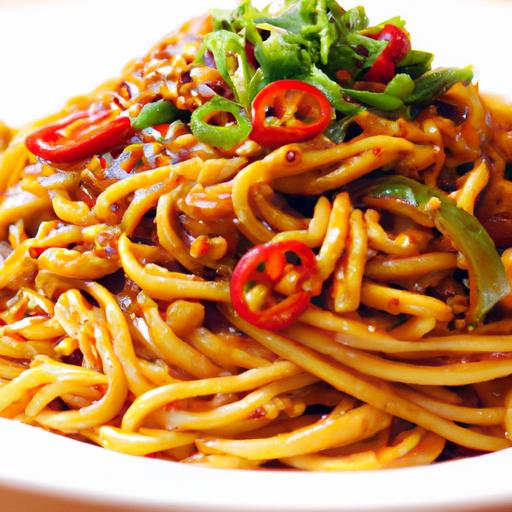

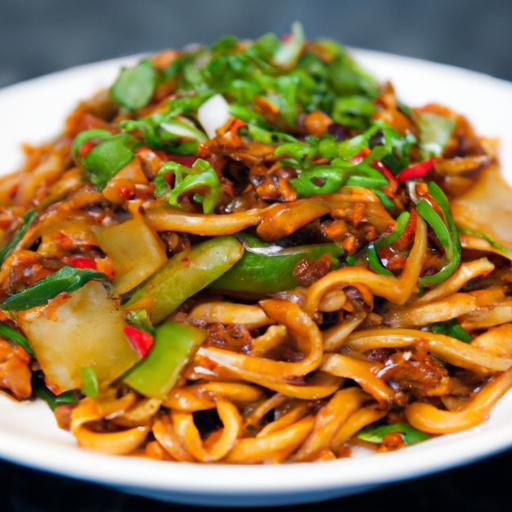
In the bustling streets of Chengdu, where the air shimmers with the heat of sizzling woks and the hum of vibrant markets, one dish reigns supreme as a tantalizing emblem of Sichuan’s rich culinary heritage: Dan Dan noodles. More than just a bowl of noodles, this fiery concoction weaves together a tapestry of bold flavors-spicy, numbing, savory, and aromatic-that tell the story of a region famed for its fearless approach to taste. Join us as we embark on a spicy journey into Sichuan’s flavorful heart, exploring the origins, ingredients, and cultural meaning of Dan Dan noodles, a dish that continues to captivate palates around the world.
Dan dan Noodles stand as one of Sichuan cuisine’s most beloved street foods, offering an exhilarating dance of bold, spicy, and savory notes that awaken the palate. The dish’s roots trace back to early 20th-century Chengdu, where street vendors carried loads of spicy noodle bowls on their shoulders using traditional bamboo poles, known as “dan dan.” this humble food evolved from a simple merchant’s snack into a symbol of Sichuan’s vibrant culinary identity, renowned for its fiery complexity and textural harmony.
Prep and Cook Time
- Planning: 20 minutes
- Cooking: 15 minutes
- Total time: 35 minutes
Yield
Serves 4 generous bowls
Difficulty Level
Medium – ideal for cooks eager to explore authentic Sichuan flavors with manageable techniques.
Ingredients
- 200g fresh wheat noodles (or high-quality dried noodles)
- 150g ground pork, preferably with some fat for juiciness
- 3 tablespoons Sichuan peppercorn oil (homemade or store-bought)
- 2 tablespoons chili bean paste (Doubanjiang)
- 2 teaspoons soy sauce
- 1 tablespoon Chinese black vinegar
- 2 cloves garlic, finely minced
- 1 tablespoon ginger, finely minced
- 1 cup chicken broth or water
- 2 tablespoons roasted peanuts, roughly chopped
- 2 tablespoons green onions, thinly sliced
- 1 tablespoon toasted sesame paste or tahini
- 1 teaspoon sugar
- Salt to taste
- Optional: pickled mustard greens for crunch and tang
Instructions
- Prepare the sauce: In a bowl, combine chili bean paste, soy sauce, black vinegar, sesame paste, sugar, and a pinch of salt. Whisk thoroughly until smooth.This blend anchors the iconic bold and spicy flavor profile.
- cook the pork: Heat a skillet over medium heat. Add a splash of oil and sauté minced garlic and ginger until fragrant, about 1 minute.Add ground pork and cook,breaking it apart,until browned and slightly crispy,about 5 minutes.Stir occasionally to prevent sticking.
- Add broth and simmer: Pour in chicken broth and bring to a simmer. Let the mixture gently bubble for 5 minutes,allowing flavors to meld and the sauce to thicken slightly.Adjust salt to taste.
- Prepare noodles: Cook fresh or dried wheat noodles in boiling water according to package instructions until al dente. Drain well.
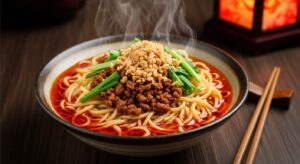
- Assemble the bowl: Place cooked noodles into warm bowls. Ladle the hot pork and sauce mixture over the noodles. Drizzle Sichuan peppercorn oil generously on top for that characteristic numbing heat.
- Garnish: Sprinkle chopped roasted peanuts and green onions liberally. Add pickled mustard greens if using for a tangy contrast and crunch.
- Serve immediately: Stir well before eating to blend textures and flavors in each mouthful.
Tips for Success
- Sichuan peppercorn oil is essential-if unavailable, try infusing toasted sichuan peppercorns in neutral oil at home for 1 hour for authentic aroma.
- Balancing heat with numbing spice is key. Adjust chili bean paste and peppercorn oil to your preferred spice level without overpowering other layers.
- For a vegetarian or vegan twist, substitute ground pork with sautéed shiitake mushrooms or finely chopped tofu and mushroom mix for umami depth.
- Fresh noodles provide the best texture,but quality dried wheat noodles work well if cooked just until tender and immediately drained to avoid sogginess.
- Make the sauce base ahead of time and refrigerate for up to three days to deepen the flavors.
- Perfect your topping crunch by lightly toasting raw peanuts or substituting with crushed cashews for a different but delightful crunch.
Serving suggestions
These noodles shine best piping hot, paired with a refreshing side of cold cucumber salad drizzled with sesame oil and garlic to tame the spice. For a full Sichuan experience, serve alongside Mapo Tofu, creating a vibrant, fiery feast that celebrates this region’s indulgent palate.Garnish with a sprinkle of finely chopped fresh cilantro or a dash of white sesame seeds for added visual contrast and aroma.
| Nutrient | Per Serving |
|---|---|
| Calories | 480 kcal |
| Protein | 25g |
| Carbohydrates | 50g |
| Fat | 18g |

For those drawn to authentic regional specialties, the Sichuan cuisine Wikipedia page offers a rich exploration into the origins and spices that define this legendary cooking style.
Q&A
Q&A: dan Dan Noodles – A Spicy Journey into sichuan’s Flavorful Heart
Q1: What exactly are Dan Dan Noodles?
A1: Dan Dan Noodles are a beloved Sichuan street food staple-a delightful tangle of thin wheat noodles drenched in a fiery, numbing sauce made from chili oil, Sichuan peppercorns, preserved vegetables, and ground meat. This humble dish packs a punch, embodying the bold, complex flavors that define Sichuan cuisine.
Q2: Where does the name “Dan Dan” come from?
A2: The name “Dan Dan” refers to the traditional carrying pole (dan dan) street vendors used to balance baskets holding ingredients and noodles on their shoulders. This portable meal was an easy-to-carry,savory snack for laborers navigating the bustling streets of Chengdu,sichuan’s capital.
Q3: What makes Dan Dan Noodles so spicy and unique?
A3: The magic lies in the marriage of chili oil and Sichuan peppercorns. While chili oil delivers intense heat, Sichuan peppercorns provide a signature tingling, almost numbing sensation that dances on the tongue. This contrast of spicy and numbing-known locally as mala-creates a flavor profile that’s both thrilling and addictive.
Q4: Are there variations of Dan Dan Noodles?
A4: Absolutely! While the classic version features minced pork and preserved mustard greens, modern takes have introduced vegetarian versions with tofu or mushrooms, as well as different noodles styles-thicker, thinner, even gluten-free. Some recipes also add peanut butter or sesame paste for extra creaminess, showcasing the dish’s versatility.
Q5: How can someone make authentic Dan Dan noodles at home?
A5: Start with fresh wheat noodles and prepare a sauce blending homemade chili oil, toasted Sichuan peppercorn powder, soy sauce, vinegar, garlic, and a hint of sugar. Sauté minced pork with preserved vegetables and top your noodles with this savory mixture. The key is balancing heat and numbing spice while layering textures-slippery noodles, crunchy peanuts or scallions-to recreate the authentic experience.Q6: Why are Dan Dan Noodles considered an emblem of Sichuan culture?
A6: Beyond their deliciousness, Dan Dan Noodles tell a story of Sichuan’s vibrant street food culture, ingenuity, and love for bold flavors. they reflect the region’s climate-favoring warming, spicy foods-and the local’s mastery of balancing fiery and numbing sensations. Eating Dan Dan Noodles is not just about taste, but embracing a culinary heritage steeped in history and heart.Q7: What should first-timers expect when trying Dan dan Noodles?
A7: Prepare for a tantalizing flavor rollercoaster. The first bite unleashes waves of spicy heat and numbing sensations, followed by savory richness and hints of tangy preserved vegetables. It’s vibrant, sometimes surprising, but always satisfying. For adventurous palates, Dan Dan Noodles spark a deep thankfulness for Sichuan’s bold culinary spirit.
Embark on your own spicy journey with Dan Dan Noodles-a dish that’s far more than noodles and sauce. It’s an invitation to explore the soulful heart of Sichuan, one fiery slurp at a time.
Final Thoughts
As we conclude our spicy sojourn through the vibrant world of Dan Dan Noodles, it’s clear that this humble dish is much more than a simple bowl of noodles-it’s a passionate expression of Sichuan’s bold culinary spirit.Each twirl of the chili-laden strands tells a story of tradition, innovation, and the harmonious dance of heat and flavor that defines the region’s cuisine. Whether you savor it on a bustling street corner in Chengdu or recreate it in your own kitchen, dan Dan Noodles invite you to experience the fiery heart of Sichuan with every bite. So next time hunger strikes, let this flavorful journey inspire you to embrace the spice, the history, and the soul of one of China’s most beloved dishes.