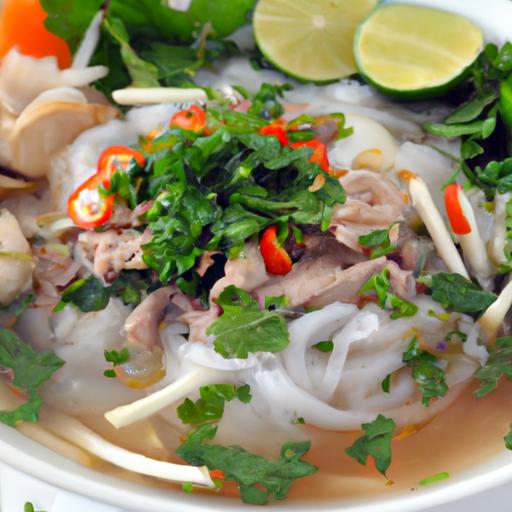

In the vibrant tapestry of Vietnamese cuisine,where flavors dance between fragrant herbs and bold spices,one dish stands resolutely beloved but frequently enough quietly overshadowed-Banh Canh. This hearty thick noodle soup, with its luscious broth and satisfyingly chewy noodles, unfolds a story of comfort, culture, and culinary craftsmanship. more than just a meal, Banh Canh is a tactile experience that invites you to slow down, savor each bite, and explore the rich heritage simmering in every bowl. Join us as we unveil the essence of Vietnam’s hearty thick noodle soup,revealing its origins,variations,and the reasons it continues to warm hearts across the world.
Banh Canh is a soulful Vietnamese thick noodle soup that captivates with its rich textures and deep, layered flavors. Originating from the coastal regions of Central Vietnam, this hearty soup is a culinary symbol of comfort and tradition, cherished by locals for generations. The unique, chewy noodles, crafted from a blend of tapioca and rice flour, deliver a satisfying bite that perfectly complements the savory broths, making it an irreplaceable staple across Vietnamese households and street food stalls alike.
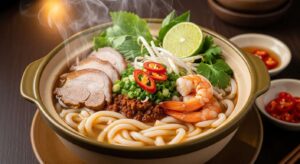
Prep and Cook Time
- Preparation: 30 minutes
- Cooking: 45 minutes
- Total Time: 1 hour 15 minutes
Yield
- Serves 4 hearty portions
Difficulty Level
- Medium – requires some attention to broth advancement and noodle preparation
Ingredients
- For the Banh Canh Noodles:
- 1 cup tapioca flour
- 1 cup rice flour
- 1/2 teaspoon salt
- 3/4 cup boiling water
- For the Broth:
- 1 lb pork bones (neck or leg bones)
- 1/2 lb shrimp heads and shells (for depth)
- 1 medium onion, halved
- 3 garlic cloves, smashed
- 1 tablespoon fish sauce
- Salt and white pepper, to taste
- Soup Add-ins:
- 200g peeled shrimp, deveined
- 150g pork belly, thinly sliced
- 2 hard-boiled eggs, halved (optional)
- 1 scallion bunch, chopped
- Fresh cilantro leaves
- Lime wedges and chili slices, for garnish
Instructions
- Prepare the Noodles: Combine tapioca flour, rice flour, and salt in a bowl. Gradually pour in boiling water, stirring quickly with chopsticks or a wooden spoon until a hot dough forms. Let rest until cool enough to handle, then knead until smooth. Roll dough into 1/4-inch thick logs and slice into 1/2 inch pieces, gently shaping into thick, round noodles. Set aside.
- Make the Broth: In a large pot, blanch pork bones and shrimp shells in boiling water for 5 minutes to remove impurities. Rinse bones and shells under cold water. Refill the pot with fresh water (about 8 cups), add onion halves, garlic, and the blanched bones and shells. Simmer gently for 1 hour to extract maximum flavor.
- Strain the Broth: Remove solids,discard onion and garlic,and return clear broth to the pot. Season with fish sauce,salt,and white pepper to taste.
- Cook the Protein: Add pork belly and shrimp into simmering broth.Cook until pork is tender and shrimp turn opaque,about 5-7 minutes.
- Cook the Noodles: In a separate pot, bring water to a rolling boil. Drop in the banh canh noodles and cook until noodles float and are chewy but tender, about 3-4 minutes. Drain and rinse briefly under cold water to stop cooking.
- Assemble the bowl: Divide noodles into serving bowls. Ladle hot broth and proteins over noodles. Garnish generously with scallions,cilantro,lime wedges,and chili slices.
- Enjoy immediately for the best texture and flavor harmony.
Tips for Success
- Noodle Texture: Balance your tapioca and rice flour ratio carefully for an ideal chewy yet smooth bite. More tapioca flour increases elasticity.
- Broth Depth: Roasting pork bones or shrimp shells lightly before simmering adds a smoky undertone.
- Make Ahead: Broth can be prepared a day in advance; refrigerate and skim fat before reheating.
- Add Variations: Swap pork belly with grilled chicken or quail eggs for regional takes.
- Serving Warm: Prepare noodles last to maintain their structure and avoid clumping.
Serving Suggestions
The true beauty of Banh Canh lies in its toppings and garnishes. Serve it steaming hot, accompanied by fresh lime wedges for bright acidity and chili slices for fiery heat, allowing each diner to tailor their bowl. Additional herbs like Vietnamese coriander (rau răm) or shredded banana blossoms add delightful herbaceousness and crunch. Pair your bowl with a side of pickled vegetables or fried shallots for texture contrast. For an authentic experience, enjoy it with a cold Vietnamese iced coffee or jasmine tea.

| Nutrient | Per Serving |
|---|---|
| calories | 420 kcal |
| Protein | 25 g |
| Carbohydrates | 50 g |
| Fat | 12 g |
Explore more about the rich culinary tapestry of Vietnamese soups in our detailed guide on Pho vs.Banh Canh: Understanding Vietnam’s Noodle Soups. For comprehensive insights on tapioca flour and its culinary uses, visit the Encyclopedia Britannica on Tapioca Flour.
Q&A
Q&A: Banh Canh Unveiled – Vietnam’s Hearty Thick Noodle Soup
Q: What exactly is Banh Canh?
A: Banh Canh is a beloved Vietnamese noodle soup celebrated for its thick,chewy noodles and rich,comforting broth. Unlike the delicate rice vermicelli in pho or Bun Bo Hue, Banh Canh noodles resemble thick strands that sit somewhere between pasta and gnocchi in texture, making each bite satisfyingly ample.
Q: What ingredients give Banh Canh its signature flavor?
A: The soul of Banh Canh lies in its broth, typically simmered for hours using pork bones, crab shells, or shrimp to develop deep umami notes. The noodles soak up this savory essence,while toppings such as tender chunks of pork,fresh shrimp,fish cake,or crab bring layers of texture and taste. A sprinkle of fresh herbs, a dash of lime, and chili awaken the senses at the table.Q: How is Banh Canh different from other vietnamese noodle soups?
A: While Pho dazzles with fragrant spices and clear broth, and bun Bo Hue boasting spice and heat, Banh Canh is the embodiment of heartiness. Its thick noodles hold up beautifully in a broth that’s both silky and robust. It’s less about subtlety and more about satisfying your soul-and your stomach.
Q: Where in Vietnam can you find the best Banh Canh?
A: Banh Canh is especially popular in central Vietnam, with regional variations showcasing local ingredients-like crab Banh Canh from the coastal city of Hai Phong or pork-rich versions in Quang Ngai. Street vendors, humble eateries, and home kitchens all serve up their take on this comforting dish.
Q: Can I make Banh Canh at home?
A: Absolutely! While making the perfect thick noodles from scratch may be a labor of love, many Asian markets offer fresh or dried Banh Canh noodles. The key is slow-simmering a rich broth and layering fresh toppings. With patience and the right ingredients, you can recreate this bowl of warmth and tradition in your own kitchen.
Q: Why has banh Canh maintained its popularity in Vietnamese cuisine?
A: Banh Canh’s wide appeal lies in its hearty, adaptable nature. It’s a dish that welcomes creativity-whether seafood, pork, or vegetarian versions-and provides comfort without fuss. It echoes the Vietnamese spirit of simple ingredients transformed by time, care, and communal eating into something extraordinary.
Q: What should a first-timer know when trying Banh Canh?
A: Dive in with an open palate and a sense of adventure! Don’t be afraid to add fresh herbs, squeeze lime, or splash in chili to customize your bowl. Slurp those thick noodles with relish-the texture is part of the experience. Most importantly, savor the story simmering in every spoonful of Banh Canh.
Key takeaways
As the steam rises from a bowl of Banh Canh, so too does a story steeped in tradition, comfort, and culinary artistry. This hearty thick noodle soup is more than just a meal-it’s a reflection of Vietnam’s rich regional flavors and the warmth found in every simmering pot. Whether savored on bustling street corners or in quiet homes,Banh canh invites you to slow down,savor the robust broth,and taste a slice of Vietnamese heritage.So next time you crave something both nourishing and soul-soothing,let Banh Canh be your tasty gateway to the heart of Vietnam’s vibrant food culture.