
In a world as diverse and dynamic as our own, cultures collide, blend, and transform-creating something richer, more vibrant, and unmistakably unique.This phenomenon,often described as the “Salad Bowl Effect,” moves beyond the melting pot metaphor to celebrate the distinct flavors that coexist while contributing to a harmonious whole. Much like a salad offers a medley of ingredients, each retaining its individual taste and texture, our societies thrive on the mixing of traditions, languages, and customs without losing their identity. This article explores how the Salad Bowl Effect shapes communities, fosters innovation, and enriches our collective human experience by embracing cultural blends rather than diluting them.
The Salad Bowl effect is a flavorful metaphor that beautifully represents how diverse cultures can come together, each retaining their unique flavors yet blending seamlessly to create something vibrant and innovative. This colorful and refreshing Moroccan-Spanish Quinoa Salad is inspired by that very concept – a harmonious fusion of ingredients and culinary traditions that celebrate unity within diversity. With ingredients sourced from North Africa and the Mediterranean mingling with the wholesome grains of the Americas, this salad is a testament to how blending cultures fosters understanding, creativity, and new tastes.
Prep and Cook Time
- Planning: 20 minutes
- Cooking: 15 minutes
- Total time: 35 minutes
Yield
- Serves 4-6 as a side dish or light main course
Difficulty Level
- Easy to Medium
Ingredients
- 1 cup tri-color quinoa, rinsed
- 2 cups water or vegetable broth
- 1 medium red bell pepper, diced
- 1 medium cucumber, seeded and diced
- 1/2 cup kalamata olives, pitted and halved
- 1/4 cup golden raisins or sultanas
- 1/3 cup chopped fresh mint
- 1/3 cup chopped fresh flat-leaf parsley
- 1 small red onion, finely chopped
- 1/4 cup toasted slivered almonds
- 1 tsp ground cumin
- 1 tsp smoked paprika
- Juice of 1 large lemon
- 1/4 cup extra virgin olive oil
- salt and freshly ground black pepper, to taste
- 1/2 tsp cayenne pepper (optional, for a slight kick)
Instructions
- Cook the quinoa: In a medium saucepan, bring 2 cups of water or vegetable broth to a boil. Add the rinsed quinoa and a pinch of salt. Reduce heat to low, cover, and simmer for 15 minutes until quinoa is fluffy and water is absorbed.Remove from heat and let it cool slightly.
- Prepare the dressing: In a small bowl, whisk together the lemon juice, olive oil, ground cumin, smoked paprika, cayenne pepper (if using), and salt and pepper. Set aside to allow flavors to meld.
- Chop the veggies and herbs: While quinoa cooks, dice the red bell pepper, cucumber, and finely chop the red onion. Roughly chop the mint and parsley.
- Combine the salad: In a large bowl, fold in the cooled quinoa with the vegetables, olives, raisins, fresh herbs, and toasted almonds.Drizzle the dressing over the salad and toss gently until everything is evenly coated.
- Adjust seasoning: Taste and adjust salt, pepper, or lemon juice as needed. For extra zest, add a splash of pomegranate molasses or a hint of orange zest for a subtle twist.
- Chill and serve: Refrigerate the salad for at least 30 minutes before serving to allow flavors to marry. Serve chilled or at room temperature.
Tips for Success
- Use vegetable broth rather of water to cook quinoa for an added depth of flavor that enhances the salad’s overall profile.
- To toast the slivered almonds, warm a dry skillet over medium heat and toss the almonds for 3-4 minutes until golden and fragrant. Stir constantly to prevent burning.
- Substitute golden raisins with chopped dried apricots for a different fruity sweetness.
- for a protein boost, add grilled chicken strips, garbanzo beans, or crumbled feta cheese to make it a more significant meal.
- This salad holds well in the fridge for up to 3 days, making it a great make-ahead dish for picnics or potlucks.
Serving Suggestions
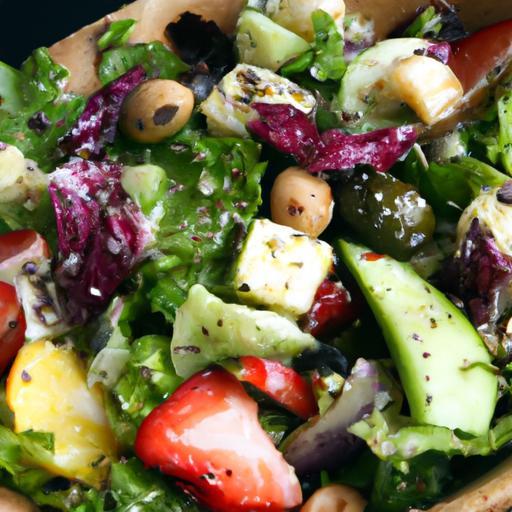
Present this vibrant salad in a wide, shallow bowl to showcase its beautiful colors-the deep red of the pepper contrasts strikingly with the pale quinoa pearls and shining green herbs. Garnish with a sprig of fresh mint and a few whole toasted almonds for a finishing touch. it pairs excellently with grilled fish or lamb and makes a stunning centerpiece for a multicultural feast that invites conversation and appreciation for global culinary traditions.
| Nutrient | Per Serving |
|---|---|
| Calories | 320 kcal |
| Protein | 8 g |
| Carbohydrates | 40 g |
| Fat | 12 g |

To explore more inspiring recipes that celebrate cultural blends, don’t miss our Fusion Foods: Exploring Global Flavors. For an insightful read on the cultural significance of food diversity,visit National Geographic’s food and culture section.
Q&A
Q&A: The Salad Bowl Effect - Celebrating Cultural Blends in Society
Q1: What exactly is the “Salad Bowl effect”?
A1: Imagine a vibrant salad where every ingredient retains its unique flavor, color, and texture, yet together thay create a delicious harmony. The “Salad Bowl effect” is a metaphor for multicultural societies where diverse cultures coexist side by side-not melting into one indistinguishable mix, but maintaining their distinct identities while enriching the collective whole.
Q2: How does the Salad Bowl differ from the traditional “Melting Pot” metaphor?
A2: While the “Melting Pot” suggests that all cultural differences blend into a single, uniform identity, the Salad Bowl celebrates diversity without erasing uniqueness. It’s less about assimilation and more about inclusion, where different cultures retain their vibrant colors and flavors while contributing equally to a shared society.
Q3: Why is the Salad Bowl concept crucial in today’s world?
A3: In our globalized age, societies are more interconnected and diverse than ever before. Embracing the Salad Bowl Effect encourages respect, understanding, and cooperation among different cultural groups. It fosters social cohesion by honoring individuality, reducing cultural tensions, and promoting innovation through the fusion of diverse perspectives.
Q4: Can you give real-life examples of the Salad Bowl Effect?
A4: Certainly! Cities like New york, Toronto, and London are great examples, bustling with communities that celebrate their unique traditions-think Chinatown’s dragon dances, Little Italy’s pasta festivals, and Caribbean parades-all thriving side by side. These cultural mosaics make their societies richer, more colorful, and endlessly engaging.
Q5: How does the Salad Bowl Effect influence personal identity?
A5: It empowers individuals to embrace multifaceted identities-being part of their heritage while actively engaging with the wider society. People feel confident celebrating their culture openly, knowing it adds value to the social fabric rather than being a barrier to integration.
Q6: What challenges does the Salad Bowl model face?
A6: Though ideal in theory, it requires ongoing effort to overcome prejudice, segregation, and misunderstandings. It demands inclusive policies, intercultural dialogue, and education that encourages empathy. Without these, cultures risk isolation or tokenism rather than true integration.
Q7: How can individuals contribute to nurturing the Salad Bowl Effect?
A7: By cultivating curiosity and respect for cultures other than their own. Simple acts-like trying diverse cuisines, learning about different traditions, participating in multicultural events-build bridges. More importantly, listening to and valuing voices from all cultural backgrounds helps weave a stronger, more vibrant society.
Q8: What does the future hold for societies embracing the Salad Bowl?
A8: The future brims with potential. As digital connections widen horizons, the Salad Bowl Effect will inspire innovative ideas, creative collaborations, and empathy-driven communities. The more we cherish our differences, the more we unlock the full flavor of humanity’s rich tapestry. In this salad, everyone has a seat at the table.
To Conclude
As we toss together the vibrant ingredients of our diverse backgrounds, the Salad Bowl Effect reminds us that each distinct flavor enriches the whole without losing its unique character. In celebrating cultural blends, society becomes a more colorful, dynamic, and resilient mosaic-one where differences don’t dilute identity but rather enhance the collective experience. Embracing this metaphor encourages us not only to appreciate the richness of diversity but to savor the harmony it creates. After all, it’s in the delightful crunch of varied perspectives that the true taste of community is found.