
In an age where culinary trends often come and go in the blink of an eye, there remains a steadfast favorite that never loses its allure: the old fashioned tea cake.These simple, unpretentious treats carry with them more than just sweetness-they encapsulate stories of tradition, comfort, and the gentle art of slowing down. “Timeless Delight: The Charm of Old Fashioned Tea Cakes” invites you to rediscover these humble confections, exploring their rich history, beloved recipes, and the enduring warmth they bring to teatime rituals around the world. join us as we unwrap the layers of flavor and nostalgia that make old fashioned tea cakes a truly timeless delight.
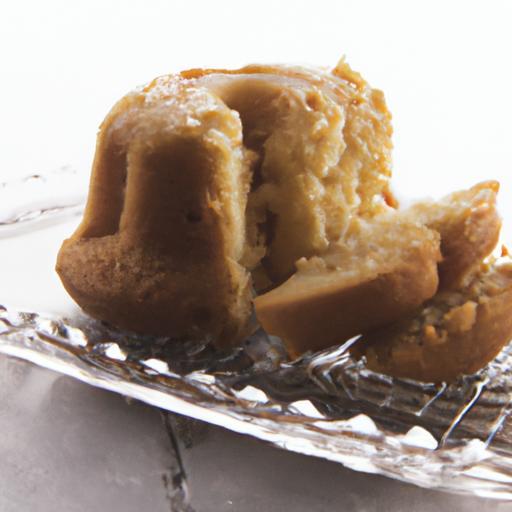
Timeless Delight: The Charm of Old Fashioned Tea Cakes beckons us with its nostalgic warmth and simple elegance, evoking afternoons steeped in tradition and comfort. These delicate cakes, crafted from classic ingredients and time-honored techniques, bring a touch of vintage charm to modern kitchens. Whether you grew up savoring these soft, buttery loaves or are discovering their magic anew, the soft crumb and subtle sweetness of tea cakes remain irresistible companions to a perfectly brewed cup of tea.
Prep and Cook Time
- Preparation: 15 minutes
- Cooking: 25 minutes
- Total: 40 minutes
Yield
Makes 8 medium tea cakes (approximately 8 servings)
Difficulty Level
Easy – perfect for beginner bakers and tea enthusiasts alike
Ingredients
- 1 ½ cups all-purpose flour, sifted
- 1 tsp baking powder
- ½ tsp fine sea salt
- ¾ cup granulated sugar
- ⅓ cup unsalted butter, softened
- 2 large eggs, room temperature
- ½ cup whole milk, room temperature
- 1 tsp pure vanilla extract
- Zest of 1 lemon (optional for a bright, classic twist)
- Powdered sugar for dusting
Instructions
- Preheat your oven to 350°F (175°C). Grease and flour an 8×4 inch loaf pan or line with parchment paper for easy removal.
- Whisk together the sifted flour, baking powder, and salt in a medium bowl. Set aside.
- Cream the butter and sugar in a large bowl using an electric mixer on medium speed until light and fluffy, about 3 minutes. This step creates the tender, melt-in-your-mouth texture.
- Add the eggs one at a time, mixing well after each addition. Incorporate the vanilla extract and lemon zest for subtle fragrance and depth.
- Alternate adding the dry ingredients and milk to the butter mixture,beginning and ending with the flour,mixing gently but thoroughly after each addition. Avoid overmixing to keep the crumb tender.
- Pour the batter into the prepared pan and smooth the top with a spatula to ensure even baking.
- Bake for 25-30 minutes, or until the tea cake is golden brown and a toothpick inserted into the center comes out clean.
- Remove from the oven and let cool in the pan for 10 minutes before transferring to a wire rack to cool fully.
- Dust with powdered sugar just before serving for a touch of vintage elegance.
Tips for Success
- Use room temperature eggs and milk to ensure an even batter and smooth texture.
- Do not overmix the batter once the flour is added; gentle folding helps maintain softness.
- for a moist variation, substitute half the milk with buttermilk or add a tablespoon of sour cream.
- storage: Wrap cooled tea cakes in plastic wrap and store at room temperature for up to 3 days, or freeze for up to 1 month.
- Upgrade with add-ins such as dried fruit, nuts, or a dash of cinnamon for seasonal twists.
Serving Suggestions
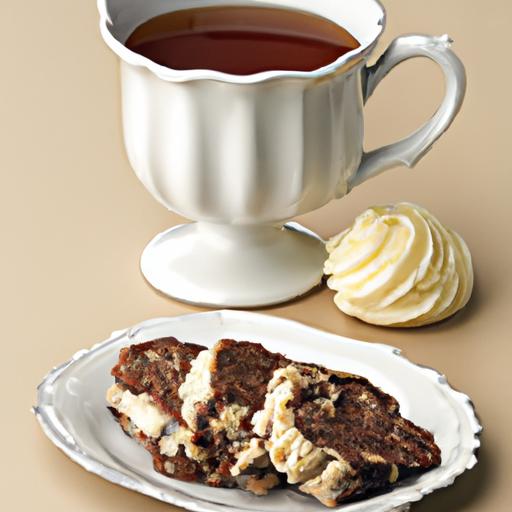
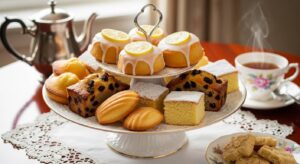
Present your old fashioned tea cakes alongside a steaming pot of your favorite black tea or gentle herbal infusion. A delicate china plate sprinkled with edible rose petals or fresh berries can elevate the experience. Try pairing with a classic Earl Gray or a fragrant Darjeeling to highlight the cakes’ subtle sweetness. For an authentic vintage touch, serve with a thin spread of clotted cream or homemade preserves on the side.

| Nutritional Info (per serving) | Calories | Protein | Carbs | Fat |
|---|---|---|---|---|
| Old Fashioned Tea Cake | 210 kcal | 3 g | 28 g | 9 g |
For more inspiration on pairing your baked delights, explore our guide on The Art of Tea Pairings. Deepen your understanding of tea culture at the Tea Association of the USA.
Q&A
Q&A: Timeless Delight – The Charm of Old Fashioned Tea Cakes
Q1: What makes old fashioned tea cakes so special compared to modern pastries?
A: Old fashioned tea cakes embody nostalgia and simplicity, offering a tender crumb and subtle sweetness that modern pastries sometimes lack. their charm lies in their humble ingredients and conventional techniques, creating a comforting bite that transports you to a cozy afternoon tea in days gone by.
Q2: Where did tea cakes originally come from?
A: Tea cakes have roots in various cultures, but the classic English-style tea cake originated as a modest treat meant to accompany the afternoon cuppa. Over time, recipes evolved across regions, blending local flavors yet preserving the quintessential softness and slight sweetness that make tea cakes timeless.
Q3: how do old fashioned tea cakes differ from cupcakes or muffins?
A: Unlike cupcakes, which are often frosted and richly flavored, old fashioned tea cakes are simple and unadorned, focusing on a delicate texture and mild sweetness. Compared to muffins, tea cakes are less dense and crumbly but still satisfyingly tender-perfect for dipping into your tea without overpowering the flavor.
Q4: What ingredients are typically used in traditional tea cakes?
A: classic tea cakes usually call for basic pantry staples: flour,sugar,butter,eggs,and a hint of vanilla or lemon zest. Some variations might include dried fruits, nuts, or spices like cinnamon, but the beauty of an old fashioned tea cake is its straightforward, honest flavor profile.Q5: Why are tea cakes considered a “timeless delight”?
A: Tea cakes have endured through centuries because they are more than just a treat-they’re a ritual. They invite moments of pause and connection, whether shared with loved ones or enjoyed in quiet solitude. Their delicate sweetness and crumbly texture never go out of style, making them an everlasting favorite.
Q6: Can old fashioned tea cakes be adapted for modern tastes?
A: Absolutely! While the classic recipe is cherished for its simplicity, it’s easy to add contemporary twists such as incorporating matcha powder, lavender, or even a drizzle of honey glaze. these adaptations keep the heart of the tea cake intact while introducing fresh flavors for today’s palates.
Q7: How should one best enjoy an old fashioned tea cake?
A: The quintessential way to enjoy a tea cake is fresh from the oven,paired with a fragrant cup of tea-be it Earl Grey,darjeeling,or a soothing chamomile. Soft, warm, and lightly sweet, the tea cake’s subtle flavor perfectly complements the nuanced notes of a well-brewed tea.
Q8: Do tea cakes hold any cultural or social meaning?
A: indeed, tea cakes have long been a symbol of hospitality and comfort. From English countryside gatherings to afternoon tea parties across the world,serving tea cakes signals warmth and welcome,fostering conversation and community through a shared,simple pleasure.
Rediscover the enchanting allure of old fashioned tea cakes-where every bite tells a story of tradition, warmth, and timeless delight.
In Summary
As the aroma of freshly baked tea cakes lingers in the air and the gentle clink of porcelain cups fills the room, we are reminded that some pleasures transcend time. These humble confections, rich in history and warmth, offer more than just sweetness-they invite us to slow down, savor moments, and connect across generations. Whether enjoyed in a bustling café or a quiet afternoon at home, the old fashioned tea cake remains a timeless delight, a flavorful bridge between past and present. So next time you seek comfort or a touch of nostalgia, let the charm of these classic treats led you on a comforting journey back to simpler, sweeter days.