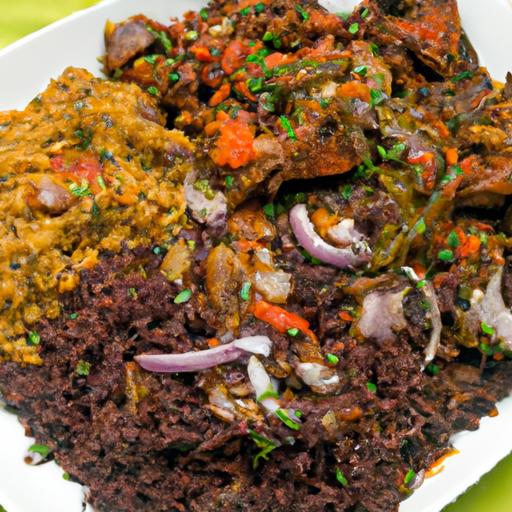

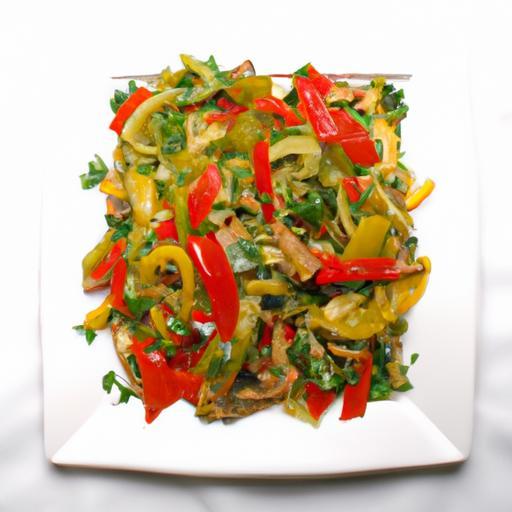
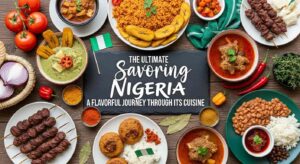
Nigeria’s vibrant tapestry of culture is most deliciously woven through its cuisine-a kaleidoscope of bold spices, hearty stews, and fragrant grains that tell stories of history, tradition, and community. In “Savoring Nigeria: A Flavorful Journey Through Its Cuisine,” we embark on a culinary adventure that transcends teh plate, exploring the rich heritage and diverse regional flavors that make Nigerian food a feast for the senses. From the fiery jollof rice that commands celebrations across the country to the comforting warmth of pepper soup enjoyed by generations, Nigeria’s food is both a celebration of identity and a gateway to understanding its people. Join us as we taste, discover, and savor the essence of Nigeria-one bite at a time.
Customary Ingredients That Define Nigerian Flavors
Savoring Nigeria: A Flavorful Journey Through Its Cuisine invites you to delve into the vibrant world of Nigerian street food, were every bite bursts with bold spices and rich traditions. Central to this experience are indigenous ingredients like scotch bonnet peppers, fragrant locust beans (iru), and smoky palm oil, which marry with staples such as rice, yams, and okra to create unforgettable dishes.
Nigerian flavors are distinguished by their balance-often a fiery heat softened by earthy depth and fresh herbs. For instance, the ubiquitous suya spice blend combines ground peanuts, ginger, cayenne, and paprika, resulting in a savory crust that coats tender skewers of grilled meat. Each ingredient doesn’t just add taste but tells a story of Nigeria’s diverse ethnic groups and their culinary heritage.
Prep and Cook Time
- Readiness Time: 20 minutes
- Cooking Time: 35 minutes
- Total Time: 55 minutes
Yield
Serves 4 hearty portions
Difficulty Level
Medium – perfect for home cooks ready to explore bold seasoning and grilling techniques
Ingredients
- 2 lbs beef sirloin or tenderloin, thinly sliced against the grain
- 2 tbsp ground peanuts, finely crushed
- 1 tbsp smoked paprika
- 1 tbsp cayenne pepper (adjust to taste)
- 1 tsp ground ginger
- 1 tsp garlic powder
- ½ tsp salt
- 2 tbsp vegetable oil or melted palm oil for authentic flavor
- Wooden skewers, soaked in water for 30 minutes
- Fresh sliced onions and tomatoes for garnish
- Chopped fresh parsley or cilantro for garnish (optional)
Instructions
- Prepare the beef: Pat the thin slices dry with a paper towel to help the spice rub adhere better.
- Mix the spice blend: In a bowl, combine ground peanuts, smoked paprika, cayenne pepper, ground ginger, garlic powder, and salt.Stir thoroughly to create the suya spice.
- Coat the meat: Drizzle vegetable or palm oil over the beef slices, than sprinkle the spice mixture evenly, massaging it gently into each piece for full flavor infusion.
- Skewer the beef: Thread 3-4 slices onto each soaked wooden skewer, folding the slices slightly if needed to fit snugly.
- Grill to perfection: Preheat a grill pan or outdoor grill over medium-high heat. Place the skewers on the grill and cook for about 3-4 minutes on each side, turning to develop a deeply charred crust without drying out the meat.
- Rest the meat: Once cooked, let the skewers rest for 5 minutes to redistribute juices, ensuring juicy tenderness.
- garnish and serve: Arrange the skewers on a platter topped with fresh sliced onions, tomatoes, and chopped parsley. Serve with cooled yaji spice or your favorite dipping sauce.
Tips for success
Choosing the right cut: Opt for tender cuts like sirloin or tenderloin to keep the beef juicy after grilling. Avoid thick slices to ensure even cooking.
Make it ahead: Marinate the beef in the spice rub for at least 2 hours or overnight for deeper flavors.
Palm oil choice: Use vegetable oil if palm oil is unavailable, but expect a subtle shift in the aroma-palm oil imparts an unmistakable earthy richness.
Grill tips: If using an indoor grill pan, preheat adequately to achieve a smoky sear reminiscent of street vendors’ open flames.
Serving Suggestions
Present these tantalizing skewers alongside warm jollof rice-a tomato-infused, spiced rice that perfectly complements suya’s heat. Add a side of crunchy fried plantains for a sweet contrast or a crisp salad of cucumbers and onions tossed in light lemon juice.Don’t forget chilled malt drinks or a fresh zobo (hibiscus) juice to balance the spice!
Garnish with a squeeze of fresh lime and plenty of colorful fresh herbs to bring brightness to every bite. This combination transforms simple skewers into a festive feast that captures the heart of Nigerian street fare.

Nutrition Data
| Nutrient | Per Serving |
|---|---|
| calories | 320 kcal |
| Protein | 35 g |
| Carbohydrates | 4 g |
| Fat | 18 g |
For a deeper dive into Nigerian staples like classic Nigerian rice dishes, explore our related content. To understand the cultural significance of street food across Africa, check out the insightful analysis from Africa.com.
Q&A
Q&A: Savoring Nigeria – A Flavorful Journey Through Its Cuisine
Q1: What makes Nigerian cuisine so unique and vibrant?
A1: Nigerian cuisine is a dazzling mosaic of flavors, colors, and textures that reflect the country’s rich cultural diversity. From the fiery heat of suya (spiced grilled meat) to the comforting richness of egusi soup (melon seed stew), Nigerian dishes are infused with bold spices, fresh herbs, and diverse ingredients sourced from its varied landscapes. Each meal tells a story-an edible tapestry woven from tradition, celebration, and community.Q2: Which Nigerian dish would you say is a must-try for first-timers?
A2: For newcomers,jollof rice is an absolute must. This vibrant, tomato-forward rice dish is often dubbed the national dish and serves as a flavorful introduction to Nigerian cooking. It’s usually accompanied by sides like fried plantains or grilled chicken, melding sweet, smoky, and spicy notes in every bite. Beyond its taste, jollof rice is a symbol of festivity and togetherness.
Q3: How do Nigerian culinary traditions reflect the country’s cultural diversity?
A3: Nigeria’s over 250 ethnic groups bring a stunning tapestry of flavors and cooking techniques. The Yoruba, Igbo, Hausa, and many other peoples each contribute signature dishes and unique seasonings. For instance, the northern Hausa cuisine highlights millet and spices in dishes like tuwo and miyan kuka, while the Igbo region shines through hearty soups such as ofe ngwu. This diversity is what makes Nigerian cuisine not just food, but also a journey through the country’s multifaceted identity.
Q4: What role do street foods play in Nigerian food culture?
A4: Street food is the heart and soul of Nigerian culinary life. Markets and roadside stalls burst with aromatic offerings like akara (deep-fried bean cakes), moi moi (steamed bean pudding), and of course, suya. These quick, affordable bites are more than snacks-they foster social connection, energy for bustling city life, and a window into everyday flavors that Nigerians cherish.
Q5: Can you describe some lesser-known Nigerian delicacies that deserve more attention?
A5: Absolutely! Dishes like amala (a smooth, dough-like yam flour swallow) paired with ewedu soup (a slippery jute leaf stew), or nkwobi (spicy cow foot delicacy), are culinary gems that showcase the ingenuity and depth of Nigerian gastronomy. These dishes might not always be on international menus, but they embody the soul of home-cooked Nigerian comfort.
Q6: how does Nigerian cuisine balance flavors and textures?
A6: nigerian cooking artfully balances heat,earthiness,tang,and sweetness-often within a single dish. Such as, the crunch of fried plantain offsets the creamy thickness of peanut soup; the bitterness of kale-like vegetable “ugu” complements the rich, nutty egusi stew. The result is a vibrant harmony that stimulates all the senses and invites diners into a dynamic flavor experience.
Q7: What are some traditional Nigerian cooking methods that contribute to the unique flavor profiles?
A7: Traditional techniques like slow simmering soups over open flames, smoking meats for suya, and pounding ingredients in wooden mortars add depth and authenticity to Nigerian dishes. These time-honored methods allow flavors to develop fully,textures to achieve desired consistencies,and aromas to permeate the air-truly awakening both kitchen and palate.
Q8: How has Nigerian cuisine evolved in the modern culinary world?
A8: Nigerian cuisine is gracefully straddling tradition and innovation. While classic dishes retain their cherished places at family tables, a new generation of chefs is reimagining these flavors in contemporary formats-from gourmet jollof rice interpretations to fusion street food. This evolution opens Nigerian flavors to global appreciation while honoring their roots.
Q9: Where can people outside Nigeria experience authentic Nigerian food?
A9: Thanks to Nigeria’s vibrant diaspora, authentic Nigerian eateries are flourishing in cities worldwide-from London to New York to Johannesburg. These hubs showcase the full spectrum of Nigerian cuisine, allowing food lovers everywhere to savor the bold, comforting, and celebratory flavors of the homeland without leaving their neighborhood.Q10: What final advice would you give to someone eager to explore Nigerian cuisine?
A10: Dive in with an open mind and a ready appetite! Nigerian food invites adventurous palates and hearts. Explore markets, try shared meals, and savor the stories behind each dish. Remember,nigerian cuisine is more than just food-it’s a joyous celebration of culture,history,and community. So, savor every bite and relish the flavorful journey!
Concluding Remarks
As we close this flavorful journey through Nigeria’s rich culinary landscape, it’s clear that each dish tells a story-of diverse cultures, vibrant traditions, and a history steeped in resilience and celebration. From the smoky embrace of suya skewers to the comforting warmth of jollof rice, Nigerian cuisine invites us not just to taste, but to experience a nation’s heart on a plate. Whether you’re a seasoned food lover or a curious adventurer, savoring Nigeria means more than enjoying its spices and flavors-it’s about connecting with its people and heritage, one bite at a time. So next time your palate craves something bold and unforgettable, remember that nigeria’s table is always set, ready to welcome you into its tasty world.