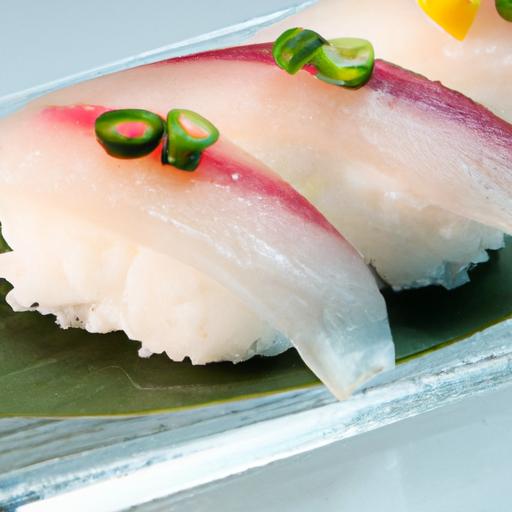

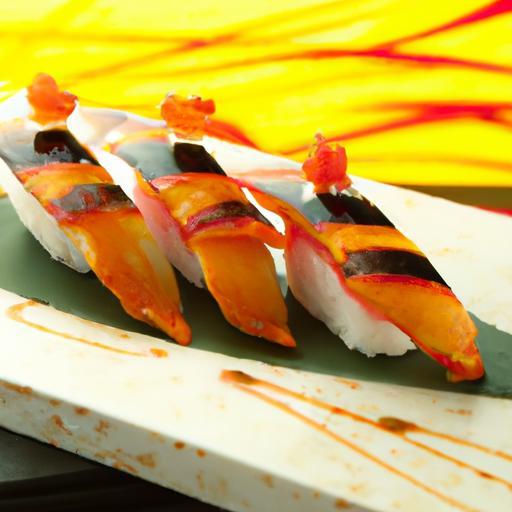
In the world of sushi, where artistry meets simplicity, few creations capture the essence of refined taste quite like yellowtail nigiri. This delicate slice of buttery fish perched atop perfectly seasoned rice offers a sublime balance of textures and flavors, inviting both novices and connoisseurs to savor sushi’s understated elegance. Journey with us as we explore the rich history, meticulous craftsmanship, and sensory pleasures of yellowtail nigiri-a true testament to the sophistication embedded in every bite of this iconic Japanese delicacy.
The Art of Selecting the Perfect Yellowtail for Nigiri
Yellowtail nigiri encapsulates the refined elegance of sushi,blending delicate texture and subtle oceanic flavor into every bite.Sourcing the perfect yellowtail is paramount: opt for sashimi-grade fish with firm, translucent flesh and a faint pinkish hue indicating freshness and optimal fat content. Look for a clean, oceanic scent free from any ammonia-like notes. When choosing, the cut should reveal fine marbling that promises melt-in-your-mouth tenderness, elevating your nigiri to a sublime experience.
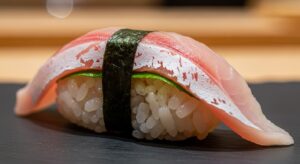
Prep and cook Time
- Readiness: 20 minutes
- Assembly: 15 minutes
- Total Time: 35 minutes
Yield
- Approximately 12 pieces of Yellowtail Nigiri
Difficulty Level
- Intermediate
Ingredients
- 200g sashimi-grade yellowtail (Hamachi), thinly sliced
- 2 cups sushi rice (short-grain)
- 2 ½ cups water
- 3 tbsp rice vinegar
- 1 tbsp sugar
- 1 tsp salt
- Wasabi paste, to taste
- Pickled ginger, for palate cleansing
- Soy sauce (preferably low sodium), for dipping
Instructions
- Prepare the sushi rice: Rinse the rice under cold water until the water runs clear to remove excess starch. Combine rice and water in a rice cooker; cook according to the rice cooker instructions.
- Season the rice: In a small saucepan, gently heat rice vinegar, sugar, and salt until dissolved. Once rice is cooked, transfer to a wooden or non-metal bowl and fold in the vinegar mixture with a wooden spatula. Maintain a gentle folding motion to avoid mashing grains. Let cool to room temperature, covered with a damp cloth.
- Slice the yellowtail: using a sharp sushi or sashimi knife, slice the fish at a 45-degree angle into thin, even pieces about 3 inches long by 1 inch wide. the angle and thickness contribute to mouthfeel and appearance.
- Shape the nigiri base: Wet your hands with a vinegar-water mixture to prevent sticking. Take about 20 grams of sushi rice and shape into an oblong base, compressing lightly - firm but not dense.
- Assemble the nigiri: Dab a small amount of wasabi onto one side of the yellowtail slice. Place the slice wasabi-side down onto the rice base. Gently press the fish over the rice to adhere without flattening the rice. Repeat for all pieces.
- Finishing touch: Arrange the yellowtail nigiri neatly on a chilled plate or sushi board.Garnish with thinly sliced scallions or a touch of freshly grated yuzu zest for a fragrant lift.
Tips for Success
- Rice consistency: Achieve the perfect sushi rice texture - moist and sticky but with individual grains intact – a critical foundation for perfect nigiri.
- Knife technique: Maintain a super-sharp knife, slicing with a single smooth stroke to avoid shredding the fish.
- Wasabi balance: Use wasabi sparingly to preserve yellowtail’s natural sweetness while adding subtle heat.
- Chill fish properly: Keep yellowtail chilled until just before assembly to preserve texture and freshness.
- Make-ahead: sushi rice can be made an hour ahead, kept covered to retain moisture. Avoid refrigerating rice, which will dry it out.
Serving Suggestions
Present yellowtail nigiri on a sleek black sushi platter to contrast its pale pink flesh. Accompany with soy sauce in a shallow dish for dipping and a small mound of pickled ginger to refresh your palate between bites. A sprinkle of toasted sesame seeds or a brush of yuzu kosho-Japanese citrus chili paste-can add depth and visual appeal. Pair with a crisp,dry sake or green tea to heighten the sushi’s delicate umami.

Exploring Flavor Pairings That Elevate Your Yellowtail Experience
The silky texture of yellowtail nigiri pairs beautifully with condiment nuances like a whisper of ponzu sauce, enhancing its citrusy brightness, or a subtle brush of truffle oil to impart earthy complexity. Freshly grated ginger or a small dab of spicy sriracha mayo can awaken the palate without overpowering the fish’s natural essence. For those who enjoy texture contrast, try pairing yellowtail nigiri with crunchy tempura flakes or a touch of thinly sliced shiso leaf, lending an herbal freshness.
Top Sushi Bars Renowned for Exquisite Yellowtail Nigiri Worldwide
from tokyo’s revered Sukiyabashi Jiro to New York City’s acclaimed Nakazawa, master chefs continue to elevate yellowtail nigiri into fine art. These establishments carefully select the freshest yellowtail, preparing each piece with precision that highlights its sumptuous texture and flavor. For sushi enthusiasts, experiencing yellowtail nigiri at these global hotspots represents an inspiring journey into Japan’s storied culinary tradition.
| Nutrient | Per Serving (1 piece) |
|---|---|
| Calories | 54 kcal |
| Protein | 6.5 g |
| Carbohydrates | 7 g |
| Fat | 1.2 g |
For more sushi techniques, explore our guide on perfect sushi rice techniques to boost your skills and confidence in crafting authentic nigiri.
Q&A
Q&A: Yellowtail Nigiri – A Delectable Dive into Sushi’s Elegance
Q1: What exactly is Yellowtail Nigiri?
A: Yellowtail Nigiri is a classic type of sushi featuring a luscious slice of yellowtail fish-known as Hamachi in Japanese-gracefully draped over a compact mound of vinegared sushi rice. Its simplicity highlights the fish’s buttery texture and delicate sweetness, offering a pristine taste of the ocean that sushi aficionados cherish.
Q2: Why is yellowtail considered a prized choice for nigiri?
A: Yellowtail boasts a rich yet mild flavor profile paired with a tender, slightly oily flesh that melts in your mouth. This balance of subtle sweetness and umami depth makes it a elegant canvas for sushi chefs,elevating nigiri from mere sustenance to an elegant gastronomic experience.
Q3: Where does the tradition of nigiri originate, and how does yellowtail fit into it?
A: nigiri sushi traces back to Edo-period Japan (1603-1868), where swift street vendors popularized hand-pressed sushi as a speedy, appetizing snack. Yellowtail became a favored fish due to its seasonal availability and prized flavor, embodying the harmony of fresh ingredients and skilled craftsmanship that define sushi culture.
Q4: How is Yellowtail Nigiri typically prepared to preserve its delicate flavors?
A: Preparation begins with selecting the freshest yellowtail, expertly sliced to showcase the fish’s natural marbling. It rests atop just the right amount of seasoned sushi rice, gently pressed to unify flavors without overpowering the fish. Sometimes a subtle brush of soy sauce or a whisper of wasabi is added for depth, but the star remains unmistakably the yellowtail itself.
Q5: What makes eating Yellowtail Nigiri an “elegant” experience?
A: Elegance in Yellowtail Nigiri lies in its balance-minimalist yet rich, simple yet sophisticated. Each bite engages the palate with supple textures and refined tastes that evoke the sea’s essence. Eating it feels like savoring a delicate work of art, a fleeting moment of culinary poetry that celebrates nature and tradition.
Q6: Can Yellowtail Nigiri be enjoyed outside of Japan, and how should one savor it?
A: Absolutely. Esteemed sushi restaurants worldwide showcase yellowtail Nigiri,inviting global diners to partake in this exquisite tradition. To truly appreciate it, eat it in one graceful bite, allowing the flavors to unfold gently. Pairing with crisp sake or a clean green tea can further enhance the experience.
Q7: Are there any seasonal considerations when choosing Yellowtail Nigiri?
A: Yes, yellowtail’s flavor and texture peak during cooler months when the fish accumulates more fat, delivering heightened richness. Sushi purists frequently enough seek out winter or early spring yellowtail to enjoy nigiri at its most sumptuous and satisfying.
Q8: How does Yellowtail Nigiri compare with other nigiri varieties?
A: Compared to lighter fishes like snapper or lean tuna, Yellowtail Nigiri offers a more buttery, indulgent mouthfeel. While salmon is noticeably rich, yellowtail strikes a perfect middle ground-silky without heaviness-making it a preferred choice for those who appreciate nuanced elegance.
Embark on your own delectable dive into sushi’s elegance with Yellowtail Nigiri-where tradition, taste, and artistry converge in each impeccably crafted bite.
Insights and Conclusions
As the final grain of rice mingles with the buttery richness of the yellowtail, one truly understands why yellowtail nigiri holds a cherished place in the world of sushi. Its blend of simplicity and sophistication invites both novice and seasoned palates to savor a moment of pure elegance. Whether enjoyed at a bustling Tokyo counter or crafted meticulously at home, yellowtail nigiri is more than just a dish-it’s a party of tradition, flavor, and artistry. So next time you seek a delectable dive into sushi’s refined depths, let yellowtail nigiri be your graceful guide.