
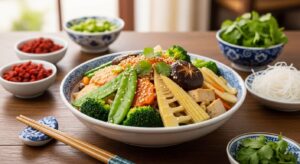
In the vibrant tapestry of Asian cuisine, few dishes carry the rich blend of history, culture, and nourishment quite like Buddha’s Delight.This humble yet hearty medley, known traditionally as “Luóhàn zhāi” in Chinese, offers more than just a meal-it is indeed a celebration of balance, spirituality, and mindful eating. Rooted in Buddhist vegetarian traditions, Buddha’s Delight combines an array of fresh vegetables, tofu, and fragrant seasonings to create a feast that delights both the palate and the soul. Join us as we explore the origins, ingredients, and cultural significance behind this wholesome dish, uncovering how Buddha’s Delight has blossomed from monastic refectories to tables around the world, embodying a timeless harmony of flavor and tradition.
Buddha’s Delight is more than just a colorful medley of vegetables-it is a culinary treasure deeply woven into East Asian tradition, celebrated for its rich symbolism and nourishing qualities. This vegetarian masterpiece was originally enjoyed by Buddhist monks as a devout, cleansing dish during festive occasions, particularly Lunar New Year. Its harmonious blend of fresh, plant-based ingredients reflects spiritual balance, abundance, and a fresh start, inviting you to savor both flavor and mindfulness in every bite.
Prep and Cook Time
- Readiness: 20 minutes
- Cooking: 25 minutes
- Total Time: 45 minutes
Yield
Serves 6 generous portions
Difficulty Level
Medium – approachable for home cooks agreeable with vegetable prep and stir-frying
Ingredients
- 1 cup dried shiitake mushrooms, soaked in warm water for 30 minutes and sliced
- 1 cup bamboo shoots, julienned
- 1 cup snow peas, trimmed
- 1 cup napa cabbage, chopped
- 1/2 cup cellophane noodles, soaked untill soft and drained
- 1/2 cup water chestnuts, sliced
- 1/4 cup dried lily buds, soaked & chopped (optional)
- 2 cloves garlic, minced
- 2 tbsp vegetable oil
- 1 tbsp ginger, minced
- 3 tbsp soy sauce
- 1 tbsp oyster sauce (vegetarian version)
- 1 tsp sesame oil
- 1/2 tsp white pepper
- 1 cup vegetable broth
- 1/4 cup green onions, chopped for garnish
- 1 tbsp toasted sesame seeds, for garnish
step-by-Step Guide to Preparing an Authentic Buddha’s Delight
- Prepare mushrooms and noodles: Soak dried shiitake mushrooms and lily buds in warm water until softened. Slice mushrooms thinly. soak cellophane noodles, then drain and cut into manageable lengths.
- Heat the wok: Warm the vegetable oil over medium-high heat until shimmering.Add minced garlic and ginger, sautéing until aromatic but not browned, about 1 minute.
- Add mushrooms and bamboo shoots: Stir-fry for 3-4 minutes until mushrooms release their fragrant earthiness and bamboo shoots soften slightly.
- Introduce napa cabbage and snow peas: Toss the vegetables into the wok,stirring constantly to maintain vibrant color and crunch.
- Incorporate water chestnuts and lily buds: Add these crunchy textures to create multi-dimensional mouthfeel.
- Pour in vegetable broth and sauces: Blend soy sauce, vegetarian oyster sauce, and white pepper into the broth, then drizzle over the stir-fry. Mix well and bring to a gentle simmer.
- Add cellophane noodles: Fold in softened noodles gently to ensure they absorb the sauce without breaking.
- Simmer and thicken: Cook uncovered for 5-7 minutes, stirring occasionally until the broth reduces slightly and the ingredients marry into a glossy, flavorful ensemble.
- Finish with sesame oil: Stir in toasted sesame oil for a nutty depth and remove from heat promptly.
- Plate and garnish: Transfer to a wide serving bowl, sprinkle with chopped green onions and toasted sesame seeds for a vibrant contrast.
Key Ingredients and Their Nutritional Benefits Explained
Buddha’s Delight is a powerful plant-based dish packed with fiber, vitamins, and antioxidants.Shiitake mushrooms provide immune-boosting compounds and vitamin D precursors.Bamboo shoots and water chestnuts add crunch and are low in calories but rich in potassium and dietary fiber. Napa cabbage and snow peas deliver vitamin C, folate, and a satisfying crispness that aids digestion. the cellophane noodles bring light, gluten-free carbohydrates absorbing the savory broth beautifully. altogether, this blend supports heart health, promotes detoxification, and aligns perfectly with mindful eating.
| Ingredient | Calories (per 100g) | Protein (g) | Carbohydrates (g) | Fat (g) |
|---|---|---|---|---|
| Shiitake mushrooms | 34 | 2.2 | 6.7 | 0.5 |
| Bamboo shoots | 27 | 2.6 | 5.2 | 0.3 |
| snow peas | 42 | 2.8 | 7.5 | 0.2 |
| Cellophane noodles | 351 | 0.1 | 86.1 | 0.1 |
Expert Tips for Customizing and Enhancing flavor Profiles
- Customize texture: Add blanched baby corn, enoki mushrooms, or firm tofu cubes for varied mouthfeel and protein boost.
- Boost umami: Incorporate a splash of mushroom soy sauce or a sprinkle of nutritional yeast for a deeper savory note without overpowering the delicate balance.
- Make it your own: Adjust the soy sauce and broth ratio depending on your salt preference; start with less and build up gradually.
- Advance prep: Soak dried ingredients the night before and chop all veggies in advance for a quick assembly on busy days.
- Vegetarian/Ovo options: Use mushroom or vegetable broth to keep it vegan, or add scrambled egg ribbons for a richer texture if preferred.
Serving Suggestions
Enjoy Buddha’s Delight piping hot, straight from the wok to your table. Serve alongside steamed jasmine rice or delicate brown rice to add comforting grains that soak up the savory sauce. Garnish with freshly chopped cilantro or chili flakes to introduce herbal freshness or subtle heat. For a festive touch, present in a wide, shallow bowl showcasing the vibrant color palette. Pair with a lightly brewed jasmine tea to cleanse the palate and elevate the mindful feast experience.

for further exploration of plant-based Asian recipes, check our Healthy Plant-Based Asian Stir Fry Recipes. To enrich your knowledge about the health benefits of shiitake mushrooms, visit this detailed study at NCBI.
Q&A
Q&A: Buddha’s Delight – A Wholesome Feast of Flavor and Tradition
Q1: What exactly is Buddha’s Delight?
A1: Buddha’s Delight, known as Luóhàn zhāi (罗汉斋) in Chinese, is a vibrant and nourishing vegetarian dish traditionally enjoyed during Lunar New Year celebrations and Buddhist festivals. It’s a medley of vegetables, tofu, mushrooms, and other plant-based ingredients simmered to perfection, embodying both spiritual significance and culinary harmony.
Q2: Why is it called “Buddha’s Delight”?
A2: The name reflects its origins in Buddhist vegetarian cuisine, intended as an offering to Buddha and a reminder of simplicity and purity. The dish is meant to delight both the senses and the spirit, emphasizing mindfulness, compassion, and respect for all living beings.Q3: What are the key ingredients that make Buddha’s Delight special?
A3: While recipes vary by region and family tradition, common ingredients include shiitake mushrooms, bamboo shoots, lotus seeds, snow peas, wood ear fungus, firm tofu, and sometimes dried bean curd sticks. These ingredients combine textures and flavors-earthy, crunchy, sweet, and savory-creating a complex yet comforting harmony.
Q4: Is Buddha’s Delight always vegetarian?
A4: Traditionally, yes. It’s rooted in Buddhist vegetarianism, which prohibits meat and strong-smelling vegetables like garlic and onions. The dish celebrates the bounty of plant-based foods, making it naturally wholesome and often vegan, perfect for modern plant-forward eating.
Q5: How does buddha’s Delight connect to Chinese culture and ideology?
A5: Beyond its culinary appeal, Buddha’s Delight symbolizes renewal and spiritual cleansing. Eating this dish during the Lunar New Year is believed to bring good luck and health. It also reflects Buddhist values of non-violence, balance, and gratitude, turning each meal into a mindful ritual.
Q6: Can Buddha’s Delight be adapted for contemporary kitchens?
A6: Absolutely! While the essence remains-a medley of nutritious vegetables and tofu-home cooks can experiment by incorporating seasonal produce or adding their favorite plant-based proteins. The key is to maintain the balance of flavors and textures that honor its traditional roots.
Q7: what makes Buddha’s Delight a feast rather than just a dish?
A7: Buddha’s Delight is frequently enough a centerpiece in a multi-dish feast, symbolizing abundance and harmony. Its colorful presentation and intricate layering of ingredients make it visually striking-a culinary celebration of nature’s gifts and a testament to mindful cooking.
Q8: Any tips for someone trying Buddha’s Delight for the first time?
A8: Approach it with an open heart and palate.Take time to appreciate the distinct flavors and textures in each bite. Experiment with cooking techniques-like braising gently to allow ingredients to absorb the savory broth-and embrace its spiritual origins as much as its delicious taste. It’s more than food; it’s an invitation to savor tradition and mindfulness.
In Conclusion
As we close the chapter on Buddha’s Delight-a vibrant mosaic of textures, flavors, and age-old customs-we are reminded that this dish is more than just a meal. It is a heartfelt celebration of simplicity and abundance, embodying centuries of tradition that nourish both body and spirit. Whether enjoyed during festive gatherings or quiet moments of reflection, Buddha’s Delight invites us to savor the harmonious dance of ingredients that honor nature’s bounty and cultural heritage. in every savory bite, we taste not only a wholesome feast but also the timeless wisdom of mindful eating and gratitude.