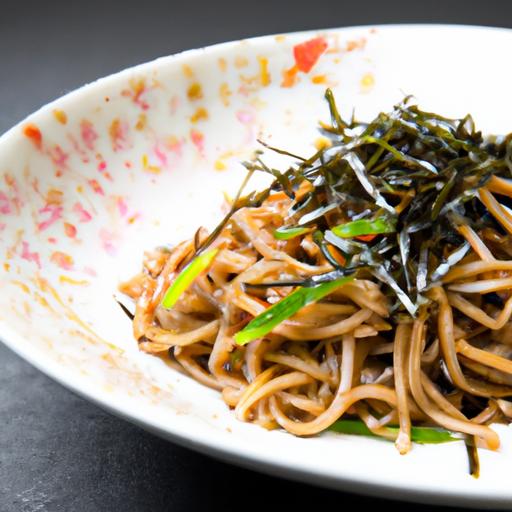

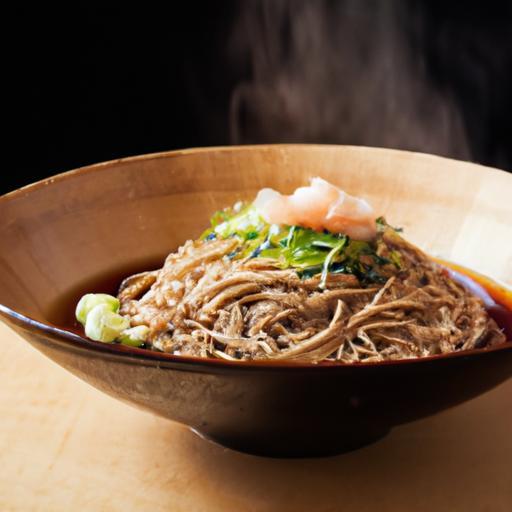
In the vast, flavorful landscape of global cuisine, few dishes offer the comforting embrace quite like a steaming bowl of soba noodle soup. Rooted deeply in Japanese tradition yet endlessly versatile, soba is more than just a meal-it’s a sensory journey into harmony and simplicity. From the delicate buckwheat strands to the rich, savory broth that cradles them, savoring soba invites us to slow down, appreciate craftsmanship, and celebrate the subtle interplay of texture and taste. Join us as we embark on a flavorful expedition through the origins, varieties, and cultural importance of soba, uncovering why this humble noodle soup has captured the hearts and palates of food lovers around the world.
Savoring soba noodles at home is an enchanting culinary adventure that connects you to centuries of Japanese tradition and technique. Originating from the mountainous regions of Japan, handmade soba carries the earthy aroma of buckwheat and the delicate chewiness that distinguishes it from ordinary noodles. The heart of this dish lies not only in the noodles but in the soul-nourishing broths that cradle each strand, creating a harmoniously balanced bowl that is both comforting and vibrant.
Prep and Cook Time
- Planning: 30 minutes
- Resting Dough: 20 minutes
- Cooking Soba Noodles: 5 minutes
- Broth Preparation: 30 minutes (can be done ahead)
- Total Time: Approximately 1 hour 25 minutes
Yield
Serves 4 – perfect for sharing a warm, authentic soba experience.
Difficulty Level
Medium – Ideal for adventurous home cooks ready to craft homemade noodles and flavor-packed broths.
Ingredients
- For the Handcrafted Soba Noodles:
- 2 cups buckwheat flour
- 1 cup all-purpose flour, sifted
- 3/4 cup cold water (adjust as needed)
- A pinch of salt
- For the Flavorful Broth (Tsuyu):
- 4 cups dashi stock (homemade or instant)
- 1/2 cup soy sauce
- 1/4 cup mirin
- 1 tablespoon sake
- 1 teaspoon granulated sugar
- Perfect Pairings and Toppings:
- Thinly sliced scallions
- Grated daikon radish
- Toasted nori strips
- Soft-boiled egg
- Crispy tempura shrimp or vegetables
- Sesame seeds for garnish
Instructions
- Combine dry ingredients: In a large bowl, mix buckwheat flour, all-purpose flour, and a pinch of salt until evenly blended.
- Add cold water gradually: Slowly pour in the cold water while stirring with your hand or chopsticks until the mixture starts to come together as a shaggy dough.
- Knead the dough: Transfer to a lightly floured surface and knead for about 10 minutes until smooth and elastic. If too sticky, dust lightly with flour. Cover with a damp cloth and let it rest for 20 minutes.
- Roll out the dough: Use a rolling pin to flatten the dough into a thin rectangle about 1/8 inch thick. Dust with flour frequently to prevent sticking.
- fold and slice noodles: Lightly dust the rolled dough, fold like a book, and slice into thin 1/8 inch strips with a sharp knife. Gently separate strands.
- Prepare the broth: In a saucepan, combine dashi stock, soy sauce, mirin, sake, and sugar. Bring to a gentle simmer over medium heat, stirring until sugar dissolves. Keep warm.
- Cook the soba noodles: Boil a large pot of water.Add noodles, stirring gently, and cook for 3-4 minutes until just tender but still firm. Drain and rinse promptly under cold running water to stop cooking and remove excess starch.
- Assemble the bowl: Reheat noodles briefly in hot water if preferred warm, drain, then divide into serving bowls. Ladle the hot broth over or serve broth on the side for dipping (zaru soba style).
- Add toppings: Top each bowl with scallions, grated daikon, tempura, soft-boiled egg, nori, and sprinkle with sesame seeds to enhance aroma and texture.
- Enjoy! Savor the earthy, nutty flavor of handcrafted soba paired perfectly with a rich, umami-packed broth.
Chef’s Notes & Tips for Success
- Flour ratio: Adjust buckwheat to wheat flour ratio for texture. 80% buckwheat gives a stronger flavor but is more fragile; 60-70% gives easier dough handling.
- Cold water is key: using ice-cold water tightens gluten and keeps noodles from becoming mushy.
- resting dough: Don’t skip resting; it relaxes proteins and makes rolling easier.
- Make-ahead: Prepare broth up to 3 days ahead; keep refrigerated and reheat gently to preserve delicate flavors.
- storing noodles: Cook fresh for best texture. If storing, dust dry noodles with flour and refrigerate for up to one day.
- Gluten-free option: Use 100% buckwheat flour & xanthan gum for binding, but expect different texture.
Serving Suggestions
- Serve hot in deep bowls for a warm, hearty meal or cold with dipping sauce on the side for refreshing summer bites.
- Accompany with light Japanese pickles or a side of seaweed salad to cut through the richness.
- Present noodles artfully twirled with toppings arranged symmetrically for a visually stunning bowl that invites you in.
- Pair with a chilled glass of sake or green tea to complete the authentic dining experience.
| Nutrient | Per Serving |
|---|---|
| Calories | 320 kcal |
| Protein | 9 g |
| Carbohydrates | 58 g |
| Fat | 2 g |

For more on Japanese noodle traditions, visit Japan Guide – Soba Noodles. Explore another delicious noodle journey in our article Mastering Ramen: Authentic Recipes & Essential Tips.
Q&A
Q&A: Savoring Soba – A Delicious Journey into Noodle Soup Bliss
Q1: What exactly is soba, and why is it so beloved in Japanese cuisine?
A1: Soba is a traditional Japanese noodle made primarily from buckwheat flour, sometimes blended with wheat flour for texture. Its nutty, earthy flavor and delightfully chewy texture have made it a staple in japan for centuries. Beyond taste, soba carries cultural significance-often enjoyed during New Year’s Eve to symbolize longevity and resilience. It’s beloved for its simplicity, versatility, and wholesome nutrition.
Q2: How is soba traditionally prepared and served?
A2: Soba can be enjoyed hot or cold, depending on the season and occasion. In colder months, it’s frequently enough served in a fragrant broth-typically a dashi-based soup seasoned with soy sauce and mirin-topped with ingredients like scallions, tempura, or kamaboko (fish cake). During warmer days, chilled soba noodles are served on bamboo trays called zaru, paired with a dipping sauce called tsuyu. This contrast in serving methods highlights soba’s adaptable charm.
Q3: What makes soba noodles different from other noodle varieties, like udon or ramen?
A3: The key difference lies in the main ingredient and texture. Soba noodles are crafted from buckwheat, lending them a slightly coarse texture and robust, nutty flavor. Udon, conversely, is made from wheat flour and is thick and chewy with a neutral taste, while ramen noodles are usually wheat-based with added kansui (alkaline water), giving them a springy bite and yellow hue. Soba’s earthy taste offers a unique, comforting experience distinct from other Japanese noodles.
Q4: Are soba noodles healthy?
A4: Absolutely! Buckwheat is rich in protein, fiber, and essential minerals like manganese and magnesium. It is naturally gluten-free (although many commercial soba contain some wheat), making it a good option for those with gluten sensitivities. Soba also has a low glycemic index, meaning it helps regulate blood sugar.When paired with nutrient-rich broths and fresh toppings, soba becomes a nourishing and balanced meal.Q5: Can I make soba soup at home, or is it better to seek out specialty restaurants?
A5: Both paths are rewarding! Making soba soup at home lets you customize broths and toppings to fit your palate and experiment with seasonal ingredients.traditional dashi broth can be made from kombu (kelp) and katsuobushi (bonito flakes), or you can use vegetarian alternatives for a lighter flavor. However, visiting specialty soba restaurants provides an authentic experience with expertly prepared noodles and broths, often crafted under centuries-old family recipes. Either way, the journey to noodle soup bliss awaits.
Q6: What are some must-try regional variations of soba in Japan?
A6: Japan boasts diverse soba regional styles. In Nagano, “Shinshu soba” is prized for its superior buckwheat and rustic texture. In the northern Tohoku region, you might encounter “Wanko soba,” where tiny servings of noodles are continuously refilled, turning eating into a playful challenge. Soba from Izumo in Shimane Prefecture features thicker noodles and a strong soy-flavored broth, highlighting local tastes.These regional quirks deepen the exploration and thankfulness of soba’s culinary heritage.
Q7: How can I fully savor the experience of eating soba?
A7: Savoring soba is about engaging all your senses. Admire the dark, slender noodles; inhale the warm, umami-rich aroma of the broth or dipping sauce; feel the springy texture with each bite; listen to the gentle slurp-a sign of enjoyment and respect in Japanese culture; and relish the harmonious balance of flavors. Pair your meal with sake or green tea to elevate the sensory journey. Soba isn’t just food-it’s a moment of mindful bliss.
Embark on your own soba adventure, and discover how a humble buckwheat noodle transforms mealtime into a festivity of tradition, taste, and tranquility.
insights and Conclusions
As your spoon dips into the steaming bowl and the delicate strands of soba intertwine with fragrant broth, you embark not just on a meal, but on a cultural voyage steeped in tradition and flavor. Savoring soba is more than tasting noodle soup-it’s an invitation to appreciate craftsmanship, history, and the simple joys of mindful eating. Whether enjoyed in a bustling Tokyo eatery or crafted in your own kitchen, soba offers a timeless comfort that bridges past and present. So next time hunger calls, let soba guide you through a delicious journey into noodle soup bliss, where each slurp tells a story worth savoring.