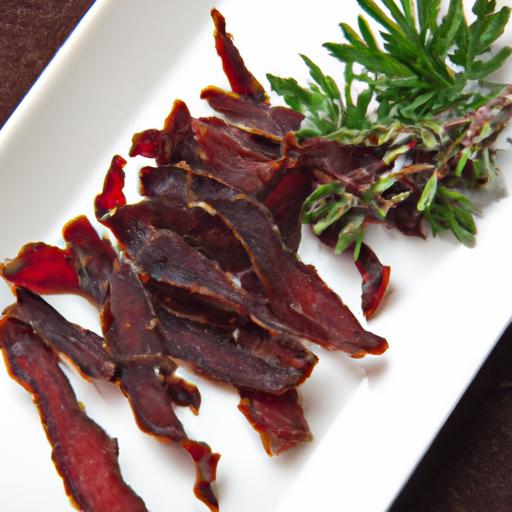

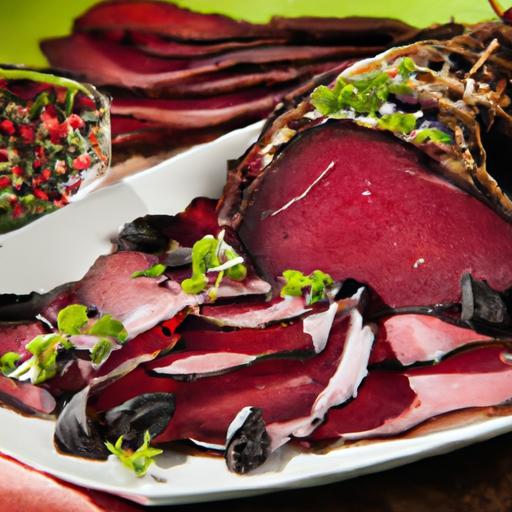
In a world where culinary trends come and go like fleeting whispers, some flavors possess an enduring power that transcends time and taste buds alike. Classic beef jerky is one such marvel-a savory tradition that has journeyed from ancient preservation methods to modern snack aisles, captivating palates with its rugged simplicity and rich, smoky allure.”Timeless Taste: Discovering the Art of Classic Beef Jerky” invites you on a flavorful expedition to explore the craftsmanship, history, and enduring appeal of this beloved protein-packed treat. Whether you’re a seasoned connoisseur or a curious newcomer, prepare to uncover the secrets behind the perfect bite that has stood the test of time.
Timeless taste begins with mastering the delicate craft of selecting the ideal beef cuts and transforming them into jerky that bursts with rich flavor and satisfying texture. This culinary tradition, rooted in ancient preservation methods, has evolved through generations, mixing hands-on technique with thoughtful ingredient choices to yield a snack that’s as enduring as its history. Combining the perfect cut with a thoughtfully balanced marinade unlocks layers of umami, sweetness, and spice, ensuring each bite is a journey into the heart of classic beef jerky craftsmanship.
Prep and Cook Time
- Preparation: 20 minutes
- Marinating: 8-12 hours
- Drying/Cooking: 6-8 hours (depending on texture preference)
Yield
makes approximately 6 servings (about 8 ounces of jerky)
Difficulty Level
Medium – requires attention to detail but yields rewarding results
Ingredients
- 2 pounds lean beef (top round or eye of round steak), thinly sliced
- 1/2 cup soy sauce (low sodium preferred)
- 1/4 cup Worcestershire sauce
- 2 tablespoons brown sugar, packed
- 1 teaspoon smoked paprika
- 1 teaspoon garlic powder
- 1 teaspoon onion powder
- 1/2 teaspoon cracked black pepper
- 1/4 teaspoon cayenne pepper (optional for heat)
- 1 teaspoon liquid smoke (for authentic smokiness)
- 1 teaspoon kosher salt
Instructions
- Freeze the Beef Slightly: Place the beef strips in the freezer for 30-45 minutes to firm up.This makes slicing thin, uniform pieces easier and ensures even drying.
- Prepare the Marinade: In a large bowl, whisk together soy sauce, Worcestershire sauce, brown sugar, smoked paprika, garlic powder, onion powder, black pepper, cayenne pepper, liquid smoke, and kosher salt until the sugar dissolves and spices are evenly distributed.
- Marinate the Beef: Submerge the beef strips in the marinade, ensuring all pieces are fully coated. Cover and refrigerate for 8 to 12 hours, allowing deep absorption of flavors.
- Drain and Pat Dry: Remove the beef from the marinade and lay slices on paper towels. Gently pat dry to remove excess moisture; this step is essential for optimal drying without sogginess.
- Arrange Strips for drying: Place the beef strips in a single layer on dehydrator trays or wire racks. Ensure the strips do not overlap to promote even air circulation.
- Dry the Jerky: Using a dehydrator set at 155°F (68°C), dry for 6 to 8 hours. If using an oven, preheat to the lowest temperature (around 160°F/71°C), place strips on a wire rack over a baking sheet, and leave the door ajar for airflow.Check for desired dryness; jerky should be flexible but not brittle.
- Cool and Store: Let the jerky cool completely before storing it in an airtight container. For longer preservation,vacuum sealing is recommended.
Tips for Success
- choosing the Cut: Opt for lean cuts like top round, eye of round, or flank steak to avoid excessive fat, which hinders drying and affects shelf life.
- slice Against the Grain: To achieve a tender bite, cut meat perpendicular to the grain; slicing with the grain creates a chewier texture.
- Marinating Time: Do not rush this process. Allowing the jerky to soak overnight unlocks deeper, richer flavors essential to the timeless taste.
- Uniform Thickness: Keep slices between 1/8 to 1/4 inch thick for even drying – thicker pieces take longer, thinner can dry too hard.
- Storage: Store jerky in a cool, dry place for up to 2 weeks or freeze for extended freshness.
Serving Suggestions
Enjoy your beef jerky as a protein-packed snack on-the-go, paired with sharp cheeses and pickled vegetables for a rustic charcuterie style. Garnish plates with fresh herbs like thyme or rosemary for aromatic contrast. Complement the savory notes with a drizzle of honey or a side of spicy mustard to awaken the palate. For outdoor adventures, pack it alongside mixed nuts and dried fruits for an energizing trail mix.

| Nutrient | Per Serving (28g) |
|---|---|
| Calories | 116 kcal |
| protein | 9 g |
| Carbohydrates | 3 g |
| Fat | 7 g |
Transforming simple beef into irresistible jerky is both an art and a science, one that honors centuries of culinary ingenuity. With the right cut, a perfectly balanced marinade, and patient drying, you’re not just making a snack – you’re creating a classic that stands the test of time.
For an in-depth guide on how to dehydrate meats for jerky and tips on preservation, be sure to visit our comprehensive tutorial. To understand the food safety aspects behind drying meats and how it preserves nutrients, refer to industry standards at the USDA Food Safety Inspection Service.
Q&A
Q&A: Timeless Taste – Discovering the Art of classic Beef Jerky
Q1: What exactly makes beef jerky a “timeless taste”?
A1: Beef jerky’s timelessness lies in its perfect blend of simplicity and bold flavor. For centuries, it has been a preserved, protein-rich snack that transcends cultures and generations. Its smoky, savory essence taps into primal cravings, offering both nostalgia and nourishment in every bite.
Q2: How did classic beef jerky originate?
A2: The roots of beef jerky trace back to indigenous peoples of the americas, who developed drying and smoking techniques to preserve meat for long journeys and harsh winters. The word “jerky” stems from the Quechua word “ch’arki,” which means dried, salted meat. over time, these techniques evolved and spread, transforming into the beloved snack we enjoy today.
Q3: What are the key ingredients in classic beef jerky?
A3: At its heart, classic beef jerky requires just three essentials: lean beef, salt, and a bit of time. Salt acts as a natural preservative, while the drying or smoking process intensifies flavor and texture. conventional recipes might add a hint of black pepper, garlic, or subtle sweetness, but the beauty of classic jerky is its understated, hearty simplicity.Q4: how does the art of making beef jerky influence its final flavor?
A4: the art is in the patience and precision. From selecting the right cut of beef-usually lean and fibrous-to the marinade’s balance and the drying method, each step impacts the taste and texture. Slow smoking over aromatic woods infuses complexity, while air drying yields a chewier, rustic bite. Master jerky artisans treat each batch like a small work of culinary craftsmanship.
Q5: Why is beef jerky considered a healthy snack?
A5: Beyond its satisfying taste, classic beef jerky is a powerhouse of protein with minimal carbohydrates and fat (when made traditionally). Its low moisture content helps preserve nutrients, and because it’s free from added sugars and fillers in authentic recipes, it’s a wholesome, energy-boosting snack ideal for adventurers, athletes, and busy bees alike.
Q6: Can modern jerky innovations compete with the classic taste?
A6: While contemporary jerky comes in a dazzling array of flavors-from spicy mango to teriyaki-the timeless appeal of classic beef jerky lies in its unembellished richness. Innovations add excitement,but the artful simplicity of traditional recipes anchors the jerky experience in heritage,proving that sometimes,less truly is more.
Q7: How can someone at home try their hand at making classic beef jerky?
A7: Start with lean beef,slice it thin against the grain,and create a simple marinade with salt,pepper,and your choice of natural spices. Marinate for several hours,then dry the strips low and slow-either in a dehydrator,oven,or smoker. Patience is key; the transformation from raw meat to chewy delight is a labor of love that rewards with every savory bite.
Q8: What should one look for when buying classic beef jerky?
A8: To embrace the timeless taste, seek jerky made from quality cuts of beef, minimal additives, and traditional drying or smoking methods. The label should emphasize natural ingredients and avoid artificial preservatives or excessive sugars. Authentic jerky is firm yet tender, bursting with smoky umami and a whisper of salt – a true testament to the craft.
Whether as a trail companion or an anytime treat, classic beef jerky stands as a delicious tribute to culinary tradition, a snack that’s as enduring as it is flavorful. unearth this art form, and taste the legacy of a timeless snack perfected through the ages.
Final Thoughts
As we savor the rich, smoky flavors and the satisfying chew of classic beef jerky, we’re reminded that this humble snack is much more than just dried meat-it’s a culinary tradition steeped in history and craftsmanship. The art of timeless beef jerky lies not only in its ingredients but in the careful balance of preservation and flavor, a testament to generations who transformed necessity into a beloved delicacy. Whether enjoyed on a rugged trail or as a flavorful bite between meals, classic beef jerky continues to connect us with the past while delighting modern palates. So next time you unwrap a strip of this enduring snack, take a moment to appreciate the artistry behind every savory bite-a true taste that transcends time.