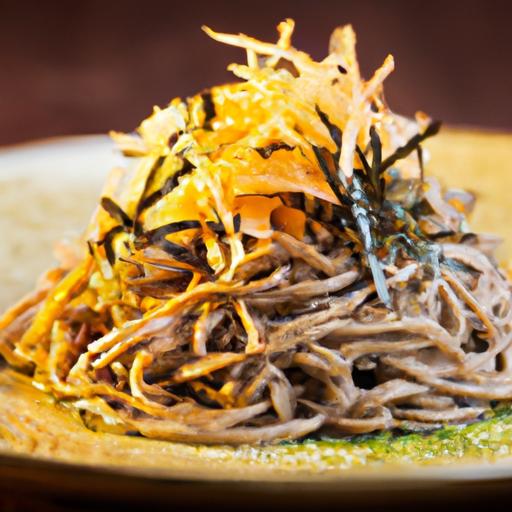

In teh quiet whispers of Japan’s culinary heritage lies a humble noodle that has woven itself into the fabric of centuries-old tradition: soba. More than just a meal, soba is a journey-one that traces the delicate dance of buckwheat flour and water, the skilled hands of artisans, and the cultural rituals that elevate this simple noodle to a revered art form. “Savoring Soba: the Ancient Art of Buckwheat Noodles Explained” invites you to unravel the story behind each slender strand, exploring how soba has nourished bodies and souls alike, from the mountain villages to bustling city tables. Join us as we delve into the history, craftsmanship, and enduring allure of soba, revealing why this ancient noodle continues to captivate palates across the world. “Savoring Soba”
savoring Soba starts with understanding the art and heritage that shapes every strand of authentic buckwheat noodles. Thes humble yet elegant noodles have origins tracing back over a thousand years in Japan, where skilled soba craftsmen meticulously combine tradition and technique to create perfect texture and nuanced flavor. The earthy aroma of buckwheat flour, paired with a subtle, nutty bite, makes soba not just a meal but a celebration of culture and craftsmanship. “Savoring Soba”
Prep and Cook Time
- Preparation: 20 minutes
- Cooking: 10 minutes
- Total: 30 minutes
Yield
Serves 4
Difficulty Level
Medium
Ingredients
- 2 cups buckwheat flour (100% soba for conventional flavor)
- 1/2 cup all-purpose flour (to aid dough elasticity)
- 3/4 cup cold water (ice-cold for better texture)
- 1/2 tsp salt
- 2 tbsp soy sauce
- 1 tbsp mirin
- 4 cups dashi broth (for hot servings)
- 2 green onions, thinly sliced
- 1 sheet nori, julienned
- Fresh wasabi or wasabi paste (optional)
- Shredded daikon radish (optional garnish)
Instructions
- combine flours: In a large bowl, mix buckwheat flour and all-purpose flour evenly. Sprinkle the salt around the edges.
- Add water gradually: Slowly pour in the ice-cold water, stirring gently with your hands or a wooden spatula until the mixture begins to bind. Avoid overmixing to maintain a tender dough.
- Knead dough: Transfer the dough onto a lightly floured surface. Knead for about 10 minutes until smooth and elastic. If the dough feels to brittle, wet your hands slightly and knead again.
- Rest the dough: Wrap the dough in plastic wrap and let it rest at room temperature for 30 minutes. this allows the gluten to relax and improves rollability.
- Roll out dough: With a rolling pin, roll the dough into a thin, even rectangle about ⅛ inch thick. Dust with buckwheat flour to prevent sticking as needed.
- Fold and cut: Fold the dough sheet gently into thirds or quarters, dusting lightly between folds. Using a sharp knife, slice into ~1/8-inch wide strips to create noodles.
- Cook noodles: Boil a large pot of salted water. Cook soba noodles for 2-3 minutes, stirring occasionally to prevent clumping. They cook quickly,so keep a close eye.
- Shock and drain: Drain noodles and promptly rinse under cold running water to stop cooking and remove excess starch. Gently rub noodles to separate strands.
- Prepare dipping sauce (if cold soba): Mix soy sauce and mirin in a small bowl. You may add dashi for depth. Chill before serving.
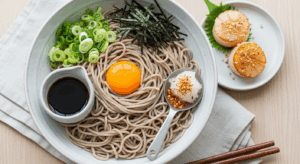
- Serve: For hot soba, warm dashi broth in a pot and add cooked noodles just before serving. Garnish with green onions, nori, and wasabi. “Savoring Soba”
Chef’s Notes
- Using 100% buckwheat flour yields the authentic nutty aroma but can make the dough more fragile. Incorporating all-purpose flour enhances elasticity.
- Kneading with cold water slows gluten growth, resulting in tender yet firm noodles with a pleasing bite.
- Resting the dough is key for easy rolling and prevents tearing.
- If cutting soba by hand is daunting, try using a pasta machine for uniform strips.
- Make soba ahead by cooking and chilling; serve cold with dipping sauce for a refreshing summer dish.
Serving Suggestions
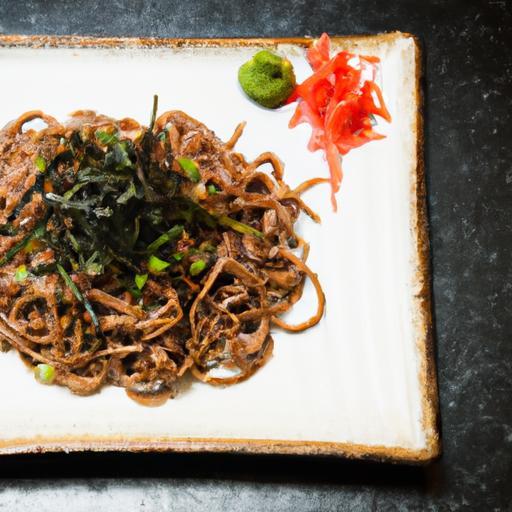
Serve your soba nestled in a shallow bowl, garnished with thin ribbons of toasted nori and fresh sliced green onions for an earthy crunch and vibrant color contrast. A small dollop of fresh wasabi adds an invigorating punch to each bite. For a seasonal twist, top with finely shredded daikon radish or a handful of tempura bits for texture contrast. Pair your dish with a crisp chilled sake or green tea to elevate the tasting experience familiar to soba enthusiasts across Japan. “Savoring Soba”

| Nutrient | Per Serving |
|---|---|
| Calories | 280 kcal |
| Protein | 8g |
| Carbohydrates | 55g |
| Fat | 1.5g |
explore more Japanese culinary artistry by reading our guide on crispy Tempura: Light, Crunchy, and perfect Every Time. For further reading on soba’s rich heritage, visit the Japan guide’s detailed soba profile.
Q&A
Q&A: Savoring Soba – The Ancient Art of buckwheat Noodles Explained
Q1: What exactly are soba noodles?
A1: Soba noodles are thin, delicate strands made primarily from buckwheat flour, sometimes blended with wheat flour for elasticity. Originating in Japan centuries ago, they boast a nutty flavor and a chewy texture that sets them apart from other noodles. More than just food,soba is a symbol of tradition and simplicity.
Q2: Why is buckwheat used instead of wheat or rice?
A2: Buckwheat may sound like a grain, but it’s actually a seed related to rhubarb and sorrel. It thrives in poor soil and cooler climates, making it a hearty crop in Japan’s mountainous regions. Nutritionally, buckwheat is a powerhouse-rich in protein, fiber, and essential minerals-offering a robust flavor and health benefits that wheat or rice can’t quite match.
Q3: How ancient is the tradition of soba?
A3: The roots of soba stretch back over a thousand years to the Edo period (1603-1868) when it became a popular street food in Tokyo (then Edo). But buckwheat cultivation and consumption date even further back, woven into rural Japanese diets as a staple during harsh winters. Today, soba stands as a bridge linking Japan’s rustic past and vibrant culinary present.
Q4: How is soba traditionally prepared and served?
A4: Soba enjoys versatility in the kitchen. It can be served cold on a bamboo tray called a zaru, accompanied by dipping sauce (tsuyu), grated wasabi, and scallions-ideal for summer’s heat. alternatively, hot soba soups warmed with broth and garnished with tempura, green onions, or mushrooms offer cozy comfort in colder months. The art lies in mastering the ideal noodle texture and nuanced broth balance.
Q5: Is there cultural meaning behind eating soba?
A5: Absolutely. Soba embodies more than taste; it carries ceremonial weight. In Japan, it’s traditional to eat toshikoshi soba (“year-crossing soba”) on New Year’s eve to symbolize letting go of the past year and welcoming longevity. The noodle’s slender, continuous shape signifies a long, prosperous life-a tasty hope for the future.
Q6: Can soba be enjoyed outside Japan?
A6: Definitely! While the purest soba experience is in Japan, soba noodles have gained fans worldwide. Many restaurants abroad serve them cold or in broth, often fused with local flavors. Cooking authentic soba at home can be a rewarding culinary adventure-honoring an ancient tradition within your own kitchen.
Q7: What should a frist-time soba eater know?
A7: Approach soba with an open palate and appreciation. Unlike heavy pasta, soba is delicate and subtle-its joy lies in balance, from the earthy buckwheat taste to the crispness of fresh toppings and umami-rich dashi broth. Try slurping the noodles loudly-in Japan, it’s seen as a compliment rather than bad manners, enhancing aroma and flavor.
Q8: Are there different types of soba noodles?
A8: Yes! The buckwheat ratio varies-some soba is 100% buckwheat (juwari soba), which can be fragile and aromatic, while others blend in wheat (hachiwari soba) for elasticity. Regional varieties also exist, each influenced by local buckwheat strains, water, and culinary customs, offering a stunning spectrum of textures and flavors across Japan.
Q9: What makes soba an art form?
A9: The “art” in soba lies in its craftsmanship-selecting quality buckwheat, precisely mixing and kneading dough, rolling it out thinly, and cutting uniform strands. Each step demands patience and skill, reflecting a meditative respect for ingredients and tradition. The end product is not just sustenance but a hand-crafted expression of cultural heritage.
Q10: Where can I start if I want to savor soba authentically?
A10: If travel permits, visiting a soba specialty restaurant in Japan-especially in regions like Nagano, renowned for buckwheat farming-offers an immersive experience. For the adventurous at home, look for artisanal buckwheat flour and follow traditional recipes, or find a local Japanese eatery with good reviews. savor soba slowly, appreciating every bite as a journey through history and flavor.
Savoring soba is stepping into a timeless ritual: a humble noodle with stories steeped in centuries of culture, nature, and craftsmanship. Whether enjoyed in a bustling Tokyo alley or your own quiet kitchen, each slurp resonates with the whispers of an ancient art.
To Wrap It Up
As we twirl the final strands of soba, it’s clear that this humble buckwheat noodle is much more than a simple dish-it’s a living thread weaving together centuries of tradition, culture, and craftsmanship. Savoring soba invites us not only to appreciate its earthy flavor and delicate texture but also to partake in an ancient ritual that honors nature’s bounty and human artistry. Whether enjoyed in a bustling Tokyo eatery or crafted by hand in a quiet mountain village, soba connects past and present in every bite, reminding us that sometimes, the simplest ingredients tell the most profound stories. So next time you lift your chopsticks,savor the moment-and the history-that makes soba truly timeless.