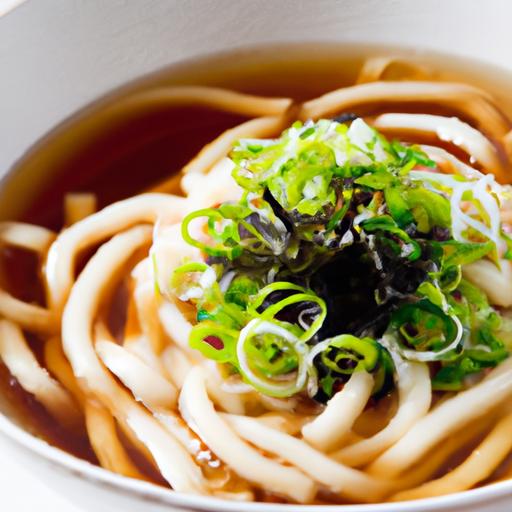

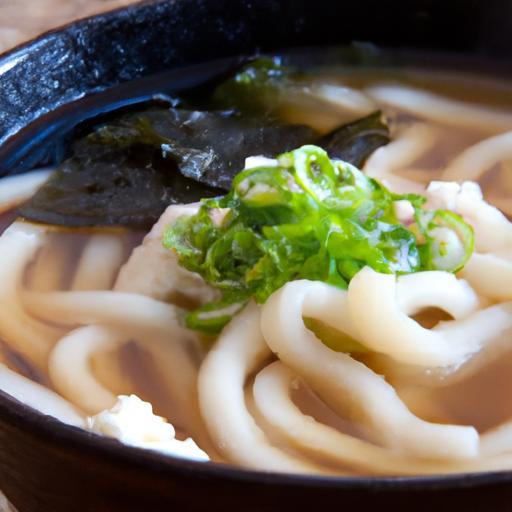
There’s a quiet magic in the ritual of slurping a steaming bowl of udon soup-a tradition that transcends mere eating too become an immersive cultural experience.In Japan, the thick, chewy noodles and rich, fragrant broth are not just nourishment; they are a gateway to centuries of culinary artistry and social connection. From the bustling streets of Tokyo to tranquil countryside inns, udon soup tells a story of heritage, technique, and simple pleasures. Join us as we delve into the art of Japanese udon soup, exploring its history, preparation, and the joyful symphony of flavors that invite you to slurp with reverence and delight.
Slurping Tradition: Discover the art of Japanese udon soup and unlock the deep cultural roots that make this humble bowl much more than just a meal.Originating centuries ago from Japan’s Kansai region, udon has woven itself into the fabric of daily life, cherished for its warming comfort and communal spirit. From the gentle tug of the thick wheat noodles to the soothing sip of perfectly balanced broth, every element tells a story. My first encounter at a small udon shop in Takamatsu revealed the magic of slurping-not just as a way to eat but as a ritual showing gratitude for the chef’s craft and the food’s essence.
Prep and Cook Time
- Preparation: 15 minutes
- Cooking: 30 minutes
- Total Time: 45 minutes
Yield
Serves 4 hearty bowls
Difficulty Level
Medium – approachable with careful broth balance and noodle handling
Ingredients
- 300g fresh udon noodles (or dried, according to preference)
- 5 cups dashi stock (preferably made from kombu and katsuobushi)
- 3 tbsp soy sauce
- 2 tbsp mirin
- 1 tsp sugar
- 1/2 tsp salt
- 100g thinly sliced green onions (scallions)
- Tempura flakes or tenkasu (optional garnish)
- Grated ginger, for serving
- Chopped nori seaweed, for garnish
- Shichimi togarashi (Japanese chili spice), optional
Instructions
- Prepare the Dashi: Start with freshly brewed dashi for the most authentic flavor. Soak a 10cm piece of kombu in 5 cups of cold water for 30 minutes, then slowly bring to a gentle simmer. remove kombu just before the water boils, then add 15g katsuobushi (dried bonito flakes), simmer 2 minutes, and strain.
- season the Broth: In a saucepan, combine the dashi, soy sauce, mirin, sugar, and salt. Heat gently and stir until the sugar dissolves. Taste frequently, adjusting seasoning to reach a harmonious balance of salty, sweet, and umami. The broth should feel rich yet light, enhancing the noodles, not overpowering them.
- Cook the Udon Noodles: Bring a large pot of water to a vigorous boil. Add udon noodles and gently seperate them with a chopstick or fork. Cook according to package instructions-usually 8-10 minutes for dried, 2-3 minutes for fresh. Do not overcook; chewy elasticity is key.
- Drain and Rinse: Drain noodles in a colander and rinse under cold water to wash off excess starch and firm their texture. Briefly dunk them back in hot water before serving to warm through.
- Assemble the Bowl: Divide noodles among warmed bowls. Pour hot broth over the noodles, filling the bowl generously to fully submerge them.
- Garnish and Serve: Sprinkle green onions and tempura flakes on top. Add grated ginger and nori if desired, and keep shichimi togarashi nearby for those who enjoy a spicy kick. Serve immediately to encourage lively slurping, unlocking both flavors and tradition.
Chef’s Tips for Success
- Perfect Broth Balance: The secret lies in tasting constantly. Dashi provides umami depth; soy sauce gives saltiness; mirin adds sweetness. Adjust each to your palate without overpowering the noodles’ subtle flavor.
- Noodle Texture: overcooked udon becomes mushy.Use fresh noodles if possible; they offer that prized springy bite. If using dried, extend rinsing times and avoid residual starch build-up.
- Make-Ahead: Prepare dashi and broth up to 2 days prior, store refrigerated. Reheat gently before serving, ensuring flavors remain vibrant.
- Vegetarian Variation: Skip katsuobushi for a vegan dashi using shiitake mushrooms and kombu only. Soy sauce seasoning remains unchanged.
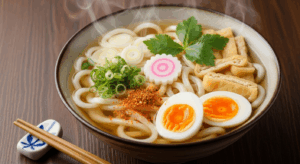
- Enhance the Experience: slice a soft-boiled egg or add bite-sized tempura shrimp for added texture and richness.
Serving Suggestions
Present udon in a rustic ceramic bowl with a pair of lacquered chopsticks resting on a bamboo holder. Offer small side dishes of pickled vegetables or a bowl of steamed rice to complete the meal. Encourage guests to taste broth first, then alternate sips and noodle slurps-this rhythmic ritual breathes life into the dining experience. A light dusting of toasted sesame seeds or a drizzle of chili oil can elevate the bowl visually and flavor-wise.

| Nutrient | Per Serving |
|---|---|
| Calories | 320 kcal |
| Protein | 9 g |
| Carbohydrates | 60 g |
| Fat | 2 g |
Explore More Japanese Noodle Artistry
For additional techniques and noodle recipes, check out our in-depth guide on Ramen vs. Udon: What’s the Difference and How to Master Both.
Learn about the cultural heritage of udon from the Japan National Tourism Institution.
Q&A
Q&A: Slurping Tradition – Discover the Art of japanese Udon Soup
Q1: What makes udon soup a quintessential part of Japanese cuisine?
A1: Udon soup embodies the essence of Japanese comfort food-simple yet profound. Its thick, chewy noodles floating in a delicate, flavorful broth reflect a balance of textures and tastes that has been perfected over centuries. More than just a dish, udon is a cultural experience, inviting diners to savor tradition with every slurp.
Q2: Why is slurping udon considered polite and even encouraged in Japan?
A2: In Japan, slurping isn’t just acceptable-it’s a compliment to the chef. The act of slurping aerates the noodles, enhancing their flavor and cooling the hot broth before it hits your palate. It also signals enjoyment, showing respect for the meal and the hard work behind it. So, don’t be shy-embracing the slurp connects you to centuries of culinary heritage.
Q3: What sets udon noodles apart from other Japanese noodles like soba or ramen?
A3: Udon noodles are thicker and chewier than their counterparts, crafted from simple wheat flour, water, and salt. Their ample texture makes them perfect for absorbing the subtle umami-rich broth,creating a satisfying bite that’s both hearty and delicate-a textural delight distinct from the thinner soba or springier ramen noodles.
Q4: How is the broth for udon soup traditionally prepared?
A4: The broth, or dashi, is the soul of udon soup. Traditionally, it’s made by simmering kombu (kelp) and katsuobushi (dried bonito flakes) to extract a smoky, savory umami depth. This clear, light broth is then seasoned with soy sauce and mirin, creating a harmonious base that complements the noodles without overpowering them.
Q5: Can you customize udon soup with different toppings?
A5: Absolutely! Udon soup is wonderfully versatile. Popular toppings include tempura (crispy battered vegetables or shrimp), green onions, kamaboko (fish cake), soft-boiled eggs, and even spicy grated ginger. Each addition enriches the flavor profile and adds texture, allowing you to craft a bowl that suits your mood and palate.
Q6: Where is the best place to experience authentic udon soup in Japan?
A6: Every region in Japan offers its own unique spin on udon. In Kagawa Prefecture, known as “Udon Prefecture,” the noodles are famed for their firm texture and simple, savory broth. In contrast, Kansai-style udon features a lighter broth with delicate flavors. Visiting local udon shops, or udon-ya, especially those with a long history, offers an immersive dive into this slurping tradition.
Q7: How can beginners best enjoy the udon soup experience without hesitation?
A7: Embrace the tradition wholeheartedly-lift the noodles with chopsticks, bring them to your mouth, and slurp! Don’t worry about etiquette; in Japan, louder slurping means you’re relishing the flavors. take your time to savor the interplay between the chewy noodles and the fragrant broth. Above all, enjoy the comforting warmth and cultural richness in every bowl.
Discovering udon soup is more than just tasting a dish-it’s an invitation to partake in a living tradition where every slurp echoes centuries of Japanese culinary artistry. So next time you sit down with a steaming bowl, remember: the louder, the better!
The Way Forward
As the last steamy strands of udon glide from bowl to mouth, the ancient tradition of slurping reveals itself not just as a dining habit, but as a living bridge to Japan’s rich culinary heritage. Each sip of the savory broth and each slurp of the thick, chewy noodles tell a story-one of craftsmanship, culture, and communal joy.Embracing the art of udon slurping invites more than nourishment; it opens a sensory journey steeped in history and harmony. So next time you cradle a bowl of udon,don’t hold back-slurp with gusto,and savor the soulful essence that makes this humble soup a timeless Japanese treasure.