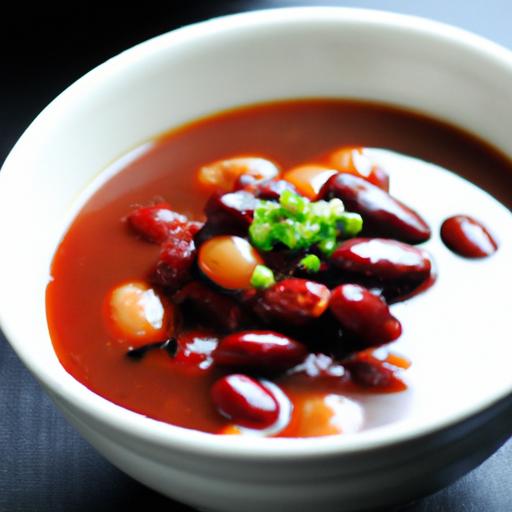

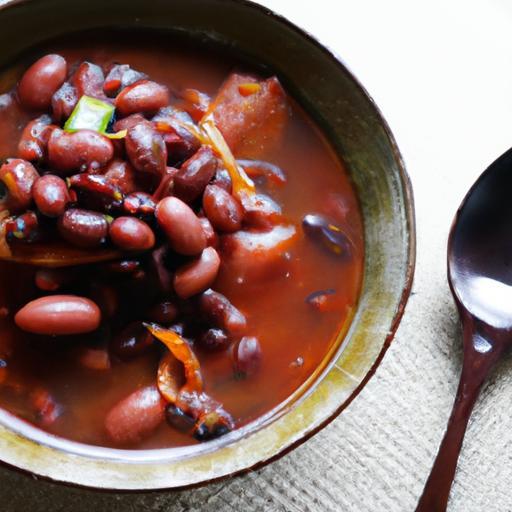
in the rich tapestry of Asian desserts,few treats capture the heart and palate quite like red bean soup. Known as Hong Dou tang in Mandarin, this humble yet soulful dish offers more than just a sweet ending to a meal-it invites you on a sensory voyage steeped in tradition, culture, and comfort. From its origins in ancient China to its beloved status across East Asia, red bean soup enchants with its velvety texture and subtle sweetness, a perfect harmony of simplicity and depth. Join us as we unravel the story behind this timeless delight and explore the flavors that make Hong Dou Tang a cherished classic on the sweet journey of culinary discovery.
Red bean soup, a beloved classic within Asian dessert traditions, has warmly invited countless palates into the comforting world of Hong Dou Tang. This sweet red bean soup is more than a simple dessert; it is a nostalgic journey tracing back to centuries-old culinary customs, nurturing the soul with every spoonful.Known for its delicate balance of sweetness and earthiness, it embodies the perfect harmony of texture and flavor that Asian cuisine cherishes.
Prep and Cook Time
- Preparation: 15 minutes
- Cooking: 1 hour
- Total Time: 1 hour 15 minutes
Yield
Serves 4-6 people
Difficulty level
Easy to Medium – Perfect for home cooks willing to embrace traditional ingredients
Ingredients
- 1 cup dried red beans (adzuki beans), rinsed and soaked for 4 hours
- 6 cups water
- 1/2 cup rock sugar or granulated sugar (adjust to taste)
- 1 piece dried tangerine peel (optional, about 1-inch square), rinsed
- 1/4 teaspoon salt
- 1/2 teaspoon vanilla extract (optional, for a subtle aroma)
- 1 teaspoon glutinous rice balls or cooked tapioca pearls (optional garnish)
instructions
- Drain the soaked red beans and place them in a large pot with 6 cups of fresh water.
- Bring to a boil</b over high heat,then immediatly reduce to medium-low heat. Skim off any foam on the surface to keep the broth clear and clean.
- Add the dried tangerine peel (if using) and cover the pot partially; simmer gently for about 45 to 60 minutes, stirring occasionally, until the beans are very soft and beginning to break apart.
- Stir in rock sugar and salt, adjusting sweetness to your preference. Continue simmering for another 10 minutes so the sugar dissolves thoroughly and the flavors meld.
- remove tangerine peel before serving. For a smooth consistency, you may mash some beans gently with the back of a spoon.
- If desired, add cooked glutinous rice balls or tapioca pearls for a textural contrast and sweetness enhancement.
- Serve warm, garnished with a few whole beans or a sprinkle of toasted sesame seeds for an inviting finish.
Tips for Success
- Soaking the beans reduces cooking time and helps develop a creamy texture – don’t skip this step!
- Rock sugar offers a subtle, mellow sweetness and a glossy finish, but brown sugar or honey can be used as creative alternatives.
- For a richer version, simmer with coconut milk added just before serving to introduce a luscious, tropical layer.
- When using dried tangerine peel, ensure to rinse well to avoid bitterness but retain the aromatic floral notes.
- Leftover soup stores well in the fridge for up to 3 days and tastes even better after the flavors meld overnight.
Serving Suggestions
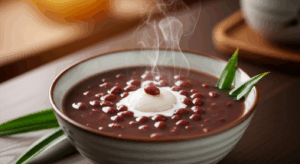
Serve Hong Dou Tang in charming ceramic bowls at room temperature or slightly warmed-ideal as a winter comfort dessert or a refreshing summer treat when chilled. Garnish with a drizzle of coconut cream, a sprinkle of toasted sesame seeds, or a couple of chewy glutinous rice balls for enhanced texture and authenticity. Pair it beautifully with light jasmine tea or green tea to balance the sweetness and cleanse the palate.
| Nutrient | Per Serving |
|---|---|
| Calories | 180 kcal |
| Protein | 7 g |
| Carbohydrates | 35 g |
| Fat | 0.5 g |

Discover more about complementary Asian desserts and how to balance flavors in your kitchen by visiting our guide to Asian sweets. For an in-depth exploration on the nutritional benefits of red beans and traditional herbal ingredients, visit the National Center for Biotechnology Information (NCBI).
Q&A
Q&A: Red Bean Soup – A Sweet Journey into Hong Dou Tang Delight
Q1: What exactly is Red Bean soup, or Hong Dou Tang?
A1: Red Bean Soup, known as Hong Dou Tang (红豆汤) in Chinese, is a beloved traditional dessert soup made primarily from adzuki beans (red beans), sugar, and water. This warm, sweet, and comforting dish is cherished across many East Asian cultures, especially in China, for its simple ingredients yet deeply satisfying flavor.
Q2: Why are red beans chosen for this soup?
A2: Red beans, or adzuki beans, are prized not only for their naturally sweet and nutty taste but also for their nutritional benefits. They’re rich in fiber, protein, and antioxidants, making Red Bean Soup not just a treat for the taste buds but also a wholesome food that fuels the body.
Q3: How is Red bean Soup traditionally prepared?
A3: Traditionally, the red beans are soaked overnight to soften, then slow-boiled until tender, often for several hours. Sugar (rock sugar or brown sugar is preferred for a mellow sweetness) is added toward the end. Some variations include adding lotus seeds, dried tangerine peel, or tapioca pearls, elevating the texture and aroma to new heights.Q4: What makes Hong Dou Tang more than just a dessert?
A4: Beyond its delicious taste,Hong dou Tang carries cultural meaning. It’s frequently enough enjoyed in family gatherings, seasonal festivals, and as a remedy believed to promote warmth and improve circulation, especially during chilly months. Its presence evokes nostalgia and the warmth of home-cooked comfort.
Q5: Are there any modern twists on this classic soup?
A5: Absolutely! Contemporary chefs experiment by serving Red Bean Soup chilled or blending it into smoothies and ice creams. Some add coconut milk, pandan leaves, or incorporate it into fusion desserts like red bean lava cakes or mochi fillings, proving that tradition and innovation can sweetly coexist.
Q6: can Red Bean Soup be made vegan and gluten-free?
A6: Yes, Red Bean soup is naturally vegan and gluten-free-as it primarily uses beans, water, and sugar. Just be mindful of any added ingredients or toppings. This makes it an inclusive dessert option suitable for many dietary preferences.
Q7: Where can one enjoy authentic Red Bean Soup outside China?
A7: Many Asian bakeries, tea houses, and dessert shops globally serve Red Bean Soup, especially in areas with vibrant Chinese communities. Moreover, with the rise of home-cooked recipes online, adventurous food lovers can recreate the sweet magic of Hong Dou Tang in their own kitchens.
Q8: What’s the best way to savor Red bean Soup?
A8: The beauty of Red Bean Soup lies in its versatility-sipped warm on a rainy afternoon, eaten chilled in the summertime, or paired with a fragrant cup of jasmine tea. Taking mindful bites and pauses allows you to truly appreciate its subtle sweetness and heritage in every spoonful.
Embarking on a culinary journey with Hong Dou Tang is not just about tasting a dessert-it’s about savoring a piece of culture steeped in warmth, history, and the simple joy of red beans transformed into a sweet delight.
In Summary
As the final spoonful of red bean soup warms both palate and soul, it’s clear that Hong Dou Tang is more than just a dessert-it’s a sweet journey through history, culture, and comfort. From humble gatherings to festive celebrations, this velvety, subtly sweet delight carries with it the stories of generations, inviting us to savor not only its rich flavors but also the traditions it embodies. Weather enjoyed hot or chilled,simple or adorned with glutinous rice balls and lotus seeds,red bean soup reminds us that sometimes,the sweetest moments come from the simplest ingredients. So next time you crave a taste of authentic warmth, let Hong Dou Tang be your delicious bridge to the heart of Asian culinary heritage.