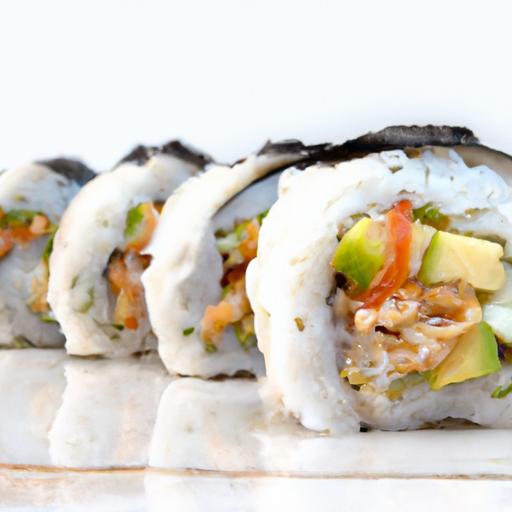

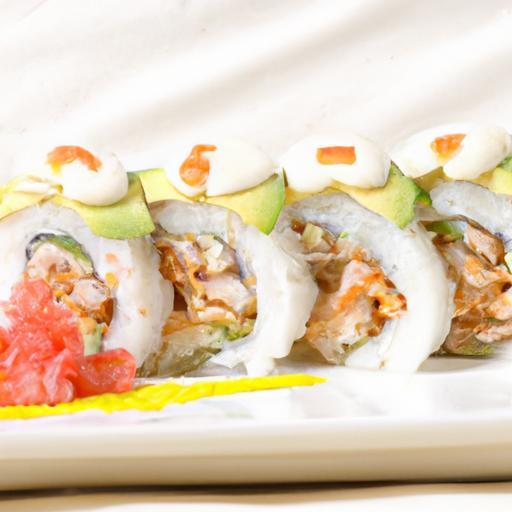
In a world where culinary boundaries are constantly being reimagined, sushi stands out as a timeless favorite-delicate, artful, and brimming with fresh flavors. But for those navigating the gluten-free lifestyle, enjoying this Japanese classic can sometimes feel like a challenge wrapped in seaweed. Fear not! “Roll with It: A Guide to Tasty Gluten-Free Sushi Rolls” is here to transform your sushi experience,proving that going gluten-free doesn’t mean sacrificing taste or creativity. From selecting the right ingredients to mastering the perfect roll, this guide will unfold the secrets to crafting mouthwatering sushi that’s safe, satisfying, and utterly irresistible. Get ready to dive into a world where every bite is a celebration of health, flavor, and culinary adventure. “Gluten-Free Sushi Rolls”
Roll with It: A Guide to Delicious Gluten-Free Sushi Rolls begins with the heart of every sushi creation – selecting exceptional ingredients that honor gluten-free needs without sacrificing flavor or authenticity. Creating sushi that’s vibrant, fresh, and safe for gluten-sensitive diners means knowing where to source the perfect gluten-free staples, mastering the sublime art of rice preparation, and discovering creative fillings that ignite the palate. “Gluten-Free Sushi Rolls”
Prep and Cook Time
Total Time: 1 hour 20 minutes (including rice resting and prep)
Yield
Makes 6 sushi rolls (about 24 pieces)
Difficulty Level
Medium - Perfect for adventurous home cooks looking to deepen their sushi skills
Ingredients
- 2 cups sushi rice (short-grain Japanese rice, rinsed until water runs clear)
- 2 1/2 cups water
- 1/3 cup rice vinegar (ensure gluten-free label)
- 2 tbsp granulated sugar
- 1 tsp kosher salt
- 6 sheets gluten-free nori (seaweed sheets certified gluten-free)
- 1 large avocado, thinly sliced
- 1 medium cucumber, julienned
- 200g fresh sashimi-grade salmon, thinly sliced
- 100g cooked and peeled shrimp, halved lengthwise
- 2 tbsp gluten-free tamari sauce (replacement for soy sauce)
- 1 tbsp toasted sesame seeds
- Wasabi paste and pickled ginger for serving
- Bamboo sushi rolling mat wrapped in plastic wrap
Instructions
- Prepare the rice: Rinse the sushi rice under cold water in a fine mesh sieve until the water runs mostly clear to remove surface starch. Drain well.
- cook the rice: Combine rinsed rice and water in a heavy-bottomed pot with a tight lid. Bring to a boil over medium heat, then reduce heat to low, cover, and simmer for 15 minutes. Remove from heat and let sit, covered, for 10 minutes-do not lift the lid during this time.
- Season the rice: In a small bowl, whisk rice vinegar, sugar, and salt until dissolved. Transfer cooked rice to a large wooden or plastic bowl and gently fold in the vinegar mixture with a rice paddle or spatula, fanning the rice to cool it quickly and give it a stunning glossy finish.
- Prepare fillings: While rice cools, slice avocado, julienne cucumber, and prepare seafood. Ensure all items are fresh and chilled prior to assembly.
- Roll your sushi: Place one sheet of gluten-free nori shiny side down on the bamboo mat. With wet hands, spread a thin, even layer of rice over the nori, leaving a 1-inch border at the top edge. Lay avocado, cucumber, and your choice of salmon or shrimp lengthwise at the bottom edge of the rice layer.
- Roll tightly: Lift the mat edge nearest you and roll over fillings firmly,pulling the mat as you go to create a compact roll. Seal by moistening the bare nori border with a little water.
- Slice and serve: using a sharp, wet knife, gently slice the roll into 4 equal pieces.Repeat with remaining ingredients. Sprinkle with toasted sesame seeds and drizzle with gluten-free tamari for dipping.
chef’s Notes: Tips for Success
- use a sharp wet knife to slice rolls cleanly without crushing the rice.
- For extra flavor, consider adding fresh herbs like shiso leaves or thin strips of pickled daikon as creative fillings.
- If rice feels too sticky or clumps, fanning while folding in vinegar helps cool and separate the grains beautifully.
- Store leftover rice at room temperature covered with a damp towel; refrigerate only if making rolls later-reheat gently before use.
- switch between seafood types – try crab meat, smoked eel, or marinated tofu for vegetarian sushi rolls.”Gluten-Free Sushi Rolls”
Serving Suggestions
Arrange sushi pieces artfully on a rectangular platter. Add a small mound of pickled ginger and a dollop of wasabi for conventional accompaniments. Garnish with a scattering of sesame seeds and thin slices of fresh radish for a burst of color and crunch. Pair with a cold glass of green tea or light sake to complete your gluten-free sushi experience. “Gluten-Free Sushi Rolls”
| Nutritional Info (per 4 pieces) | Calories | Protein | Carbs | Fat |
|---|---|---|---|---|
| Salmon Avocado Roll | 210 | 12g | 30g | 6g |
| Shrimp Cucumber Roll | 190 | 14g | 28g | 3g |
Discover advanced sushi rice techniques to refine your skills. For more on navigating gluten-free ingredients safely, visit Celiac Disease Foundation.

Q&A
Q&A: Roll with It – A Guide to Delicious Gluten-Free Sushi Rolls
Q1: What makes traditional sushi rolls not gluten-free?
A1: While sushi is often seen as a naturally gluten-free treat, many traditional ingredients and sauces contain gluten. Soy sauce, a staple dip for sushi, typically includes wheat. Additionally, imitation crab meat, tempura fillings, and some seasoning blends sneak in gluten. So, even though rice and fish are safe, these hidden gluten culprits mean that not all sushi rolls are created equal!
Q2: how can I ensure my sushi rolls are entirely gluten-free?
A2: Start by choosing naturally gluten-free ingredients. Fresh fish, vegetables, and plain sushi rice are your best friends.swap traditional soy sauce for tamari or coconut aminos. Verify that your fillings-especially any crab or fish cake-are gluten-free. And if you’re making sushi at home,double-check all your condiments and seasonings for sneaky gluten-containing additives.
Q3: Are there specific rice vinegars or sushi rice seasonings that contain gluten?
A3: Most traditional rice vinegars are gluten-free, but some sushi rice seasonings and premixed vinegar blends might contain gluten as a stabilizer or flavor enhancer. It’s wise to read labels carefully or make your own seasoning with rice vinegar, sugar, and salt to keep it clean and tasty.
Q4: What are some creative gluten-free sushi roll ideas to try?
A4: Think beyond the classic California roll! Try a crunchy avocado and mango roll with gluten-free tempura-fried sweet potato flakes, or roll up spicy tuna with crisp cucumber and a drizzle of gluten-free spicy mayo. You can even incorporate quinoa or cauliflower rice for a novel twist on texture while keeping it gluten-free and vibrant.
Q5: Is gluten-free sushi more expensive or harder to find?
A5: It can be a bit of a treasure hunt, especially at traditional sushi joints. But with growing awareness and demand,many restaurants now offer gluten-free options. Making your own sushi rolls at home lets you control ingredients and save money while having fun rolling up your delicious, safe creations.
Q6: Can gluten-free sushi rolls be as satisfying as the traditional kind?
A6: Absolutely! When crafted thoughtfully,gluten-free sushi is bursting with flavor,texture,and visual appeal. From the fresh ocean essence of fish to the crisp snap of veggies and the umami punch from gluten-free sauces, these rolls prove that deliciousness knows no gluten boundaries.
Q7: Any tips for enjoying gluten-free sushi when dining out?
A7: Communicate clearly with your server about your gluten intolerance. Ask about soy sauce substitutes and gluten content in fillings. Consider ordering sashimi or hand rolls made with naturally gluten-free ingredients. And don’t be shy to be your own sushi detective-quality spots pride themselves on accommodating dietary needs!
Roll with it, embrace the adventure, and savor every bite of your gluten-free sushi journey. Deliciously safe, creatively crafted, and always satisfying!
To wrap It Up
As you’ve seen, crafting gluten-free sushi rolls is not just a culinary challenge-it’s an prospect to roll creativity, flavor, and health into every bite. Whether you’re a seasoned sushi lover or a curious home cook, embracing gluten-free ingredients opens a world of vibrant textures and tastes that can be tailored to your palate and dietary needs. So, grab your bamboo mat, choose fresh fillings, and don’t be afraid to experiment. With the right rice, sauces, and a bit of patience, you’ll soon be rolling your way to delicious, safe, and satisfying gluten-free sushi adventures. Happy rolling!